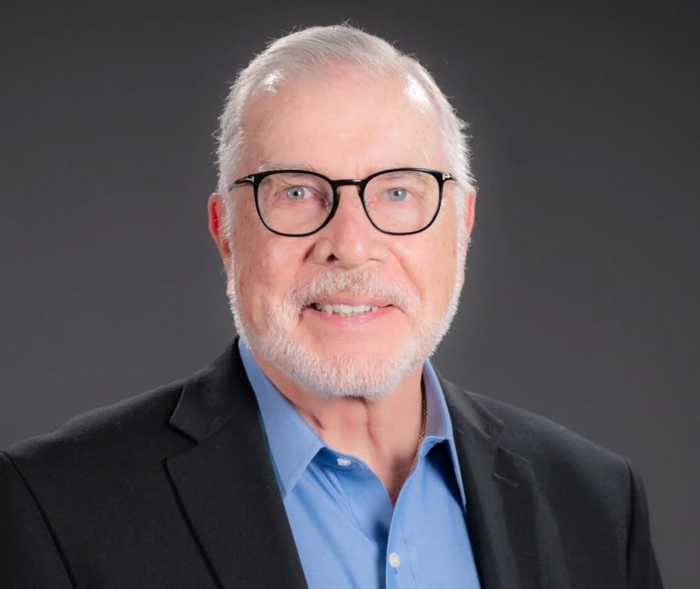



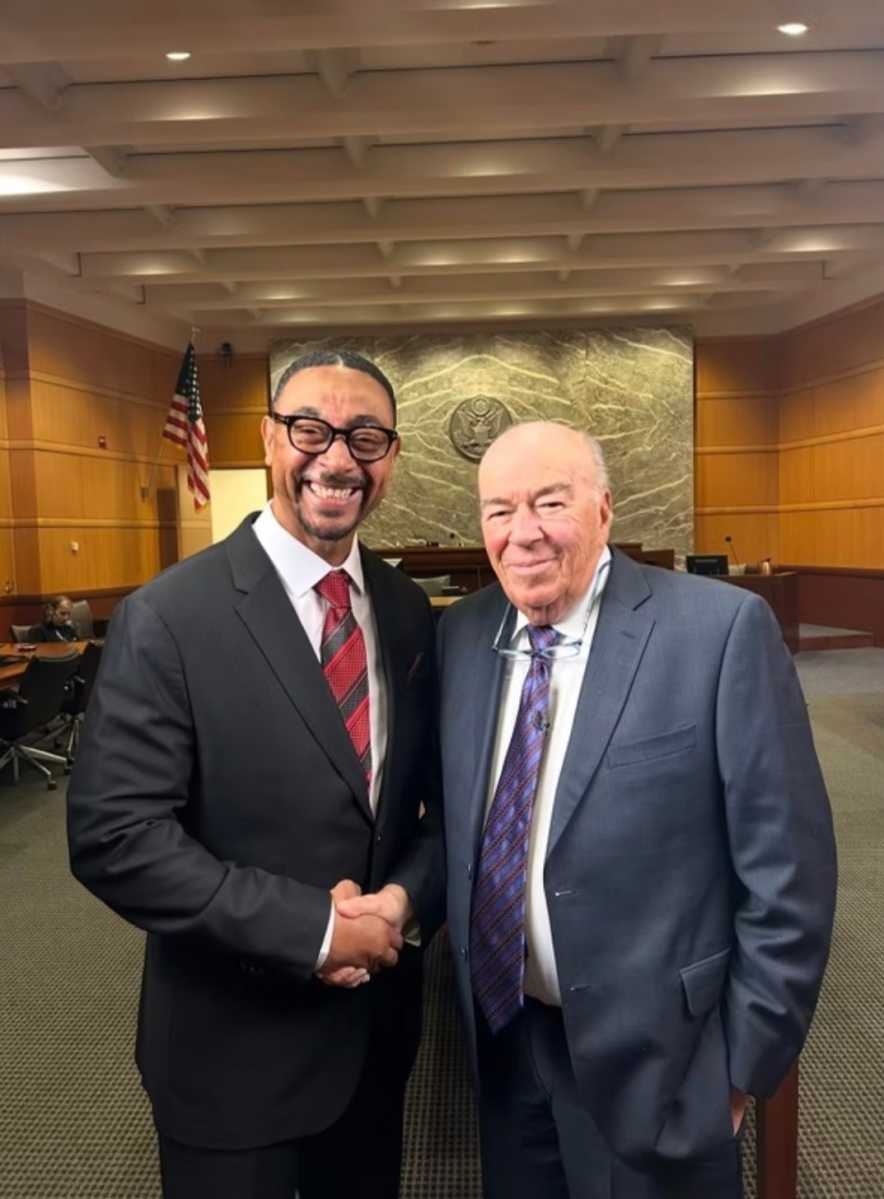
In 1997, U.S. District Court Judge Frederic Block sentenced Walter Johnson to five life terms for drug possessions and robbery charges. Johnson had “to be incapacitated so society is protected” Block wrote in his sentencing at the time.
In 2024, Block found Johnson a changed man, and released him from prison. Last week Block returned to Johnson’s case to grant his request for relief from court-ordered supervision.
Block took the moment to celebrate the First Step Act, the 2018 federal law that allowed district courts to reduce excessive sentences for compelling reasons, and took a step further to advocate for a state version of the law that would apply to reformed inmates in state prisons.
“Walter Johnson’s story is the perfect example why the First Step Act is so important. He is the statute’s veritable poster child. I imposed a lawful but excessively long prison sentence which would never have been imposed today,” Block wrote in his decision last week, adding that “there may well be other Walter Johnsons lingering in the state’s prisons who no longer belong there.”
In prison, Johnson had taken a role educating and helping other inmates adjust to prison life. Since his release in 2024, Johnson and his wife created a nonprofit, Champions for Change, that provides services for at-risk youth and those returning from incarceration — a future that Block didn’t imagine for Johnson in the ‘90s.
“Today I’m reborn. I feel grateful, I feel honored and I feel proud to be given this opportunity,” Johnson told amNY Law.
Johnson told amNY that he sees everyday as an opportunity for self-improvement. He’s written a book that he plans to release soon, he’s training as a recovery coach for those struggling with substance abuse and he’s continued to speak publicly about his journey.
“Just like prisoners who have evolved into better human beings during their lengthy periods of incarceration, judges also evolve with the passage of years on the bench,” Block wrote in his 2024 decision granting Johnson compassionate release.
The federal data that has come out since the First Step Act was implemented is promising. Of the over 44,000 people released under the First Step Act as of 2024, the recidivism rate is 9.7% compared to the 46.2 for all people released from federal Bureau of Prisons facilities in 2018.
Block pointed out that while the First Step Act is limited to federal prisons, around 88% of all prisoners are in state prisons, according to the Bureau of Justice Statistics.
In New York, a State Sen. Julia Salazar has introduced the a state version of the First Step Act in previous years that has not made it out of committee.
“The legislators should resolve their issues with the Act and enact it,” Block wrote, citing John J. Lennon, a renowned incarcerated journalist who has been imprisoned in the state prison system for 24 years, as a prime candidate.

For Johnson, the news of Block’s decision solidified his role as an example for other incarcerated people hoping for amnesty.
“I think Judge Block pushing [the First Step Act] for the state and for other states would be a blessing for so many,” said Johnson.