


As Mayor Eric Adams’ administration comes to a close at the end of this month, we are taking a look back at its record on land use and housing. The administration has recently announced that it has created, preserved, or planned for approximately 426,800 homes for New Yorkers during its term and for the next 15 years including at least 250,000 affordable homes.
When Adams was elected in 2021, the city was still emerging from the challenges of COVID. He campaigned on making New York a “City of Yes” that would encourage and expedite housing production and economic recovery. To that end, in its first year the administration set an ambitious goal of creating 500,000 new homes by 2032 and released its “Get Stuff Built” report, recommending ways to improve and streamline approvals through the Department of Buildings, the City Environmental Quality Review (CEQR), and the Uniform Land Use Review Procedure (ULURP).
These recommendations have resulted in the Department of Buildings’ Major Projects Development Program, to facilitate review, permitting and approval of large or complex projects, the “Green Fast Track,” which exempts certain small- and medium-sized housing proposals from CEQR, changes to the Department of City Planning’s pre-ULURP application review process to generally require submission of only one draft application instead of multiple drafts, and, most notably, the recently-passed ballot proposals for revisions to the city charter to exempt several categories of affordable housing proposals from ULURP. Other initiatives designed to help streamline housing production include the Office Conversion Accelerator, an interagency team to assist owners with conversions, from analyzing the zoning feasibility of individual conversion projects, to helping conversion projects secure necessary permits.
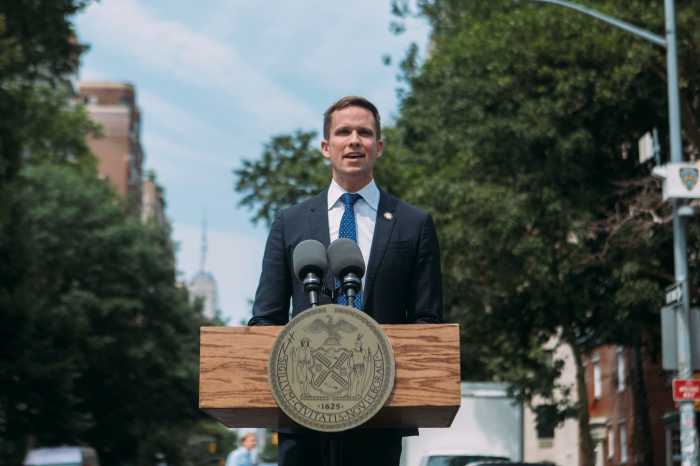
Turning the “City of Yes” refrain into policy, perhaps the most emblematic of Adams’s land use record, is the “City of Yes” text amendments to the New York City Zoning Resolution, first announced in 2022. Spearheaded by City Planning Department Director Dan Garodnick, these were three comprehensive zoning text amendments that the administration touted as the most ambitious changes to the zoning resolution since its enactment in 1961. These were introduced to remove barriers to housing creation, economic development, and sustainability.
First was the passage of “City of Yes for Carbon Neutrality” in December 2023, which was devised to make it easier to install green energy technology, among other things. Second was “City of Yes for Economic Opportunity,” enacted in June 2024, which primarily updated the zoning resolution’s regulations to expand locations where various types of businesses can locate. Third was “City of Yes for Housing Opportunity” in December 2024, which sought to make it possible to build “a little more housing in every neighborhood,” by expanding eligibility for residential conversions under permissive regulations, allowing 20% more housing in medium and high density districts for affordable housing under the “Universal Affordability Preference,” eliminating or reducing parking requirements for new housing, allowances for accessory dwelling units and for more transit-oriented development, along with other changes. The planning department has estimated the proposal would enable the creation of 82,000 homes over the next 15 years. Opponents of City of Yes sued to overturn it, but the suit was recently dismissed at the trial court level. The plaintiffs are challenging the dismissal in the Appellate Division, Second Department.
Rezoning, the process of changing the zoning regulations in a certain neighborhood to permit new uses or densities, has been a crucial tool for New York City mayors for decades. Mayor Michael Bloomberg’s administration’s major rezonings included Hudson Yards and Greenpoint-Williamsburg, while Gowanus and SoHo-NoHo were among the prominent rezonings under Mayor Bill de Blasio.
Adams’ rezoning strategy was marked by a focus on unlocking potential housing in transit-rich areas. For example, early in his tenure, the administration identified neighborhoods such as Midtown South in Manhattan for rezoning to allow new housing and for increased density. This rezoning was enacted in August, which the administration projects would create around 9,700 homes, including up to 2,900 income-restricted affordable homes. Earlier this year, the Atlantic Avenue Mixed-Use Plan, covering a stretch of Atlantic Avenue in parts of Prospect Heights, Crown Heights, and Bedford-Stuyvesant in Brooklyn, was passed which is projected to create up to 4,600 homes, approximately 1,900 of which would be income-restricted.
Two other major neighborhood rezonings, both enacted last month, were in Long Island City and Jamaica Queens. The administration projects the Long Island City rezoning would create approximately 14,700 homes, of which 4,300 would be income-restricted. The Jamaica rezoning is projected to create over 12,000 homes, of which approximately 4,000 would be income-restricted.
Other initiatives of the Adams administration have included efforts to advance affordable housing projects on public sites, and to rehabilitate public housing through the PACT program (Permanent Affordability Commitment Together) that partners with private and non-profit developers, and the New York City Public Housing Preservation Trust, as well as advocating for Albany’s 2024 enactment of tax incentives for newly built and converted residences that include affordable housing, after the previous program expired in 2022. Citing these and other policies and programs, the Adams administration has proclaimed itself “the most pro-housing administration in city history.” The passage of time and historical context will afford future observers the opportunity to evaluate whether this claim is deserving.
Dan Egers, a shareholder of Greenberg Traurig, focuses his practice on New York City land use and zoning. The views expressed are his own.
Ed Wallace, co-chair of Greenberg Traurig’s New York office, is counsel to the Citizens Budget Commission.