
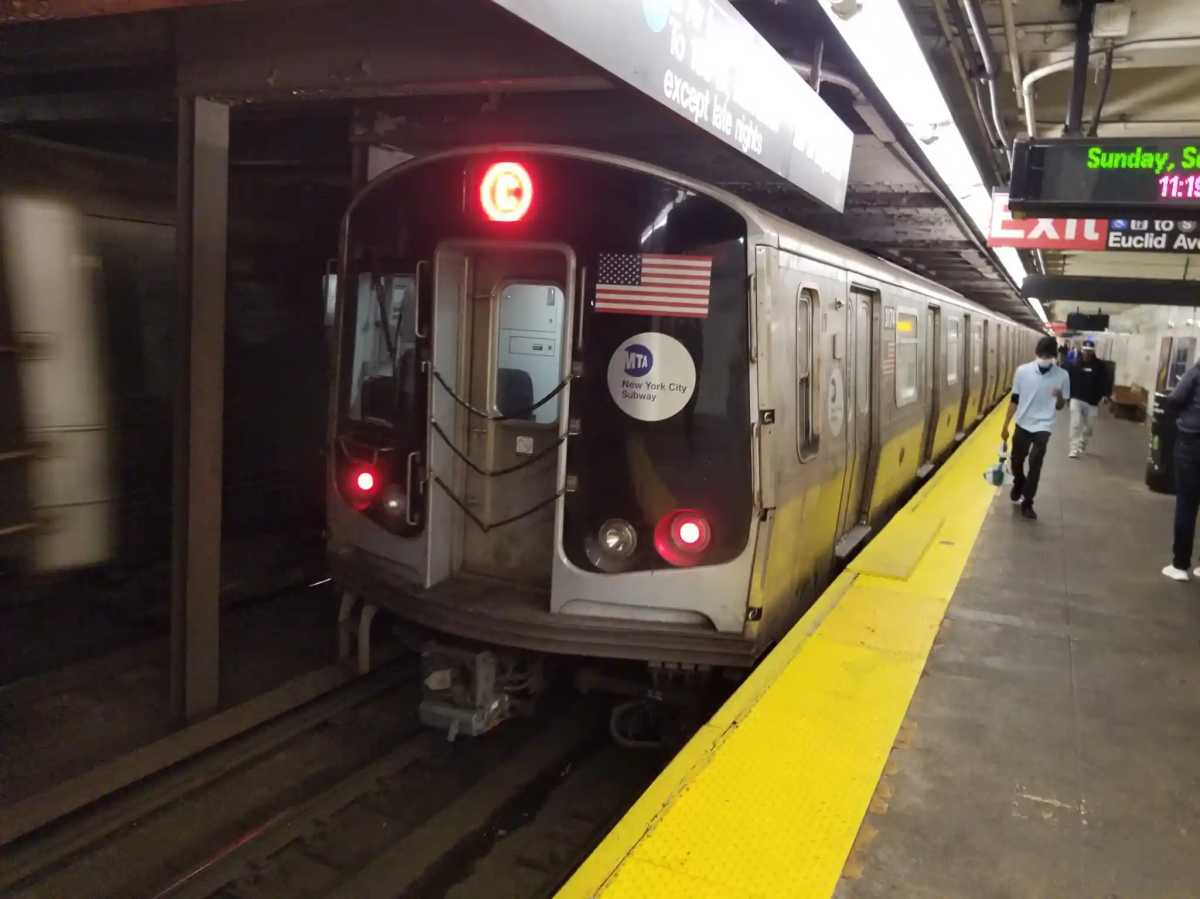
The MTA board on Wednesday approved contracts to replace the Brooklyn and Queens A/C line’s aging signal system and install new accessibility upgrades in five subway stations.
The projects — costing a combined $1.75 billion — are among the first round to be funded by revenue raised from congestion pricing, which was first implemented nearly a year ago. The state program raises funds for the MTA by charging drivers entering Manhattan below 60th Street a $9 base toll.
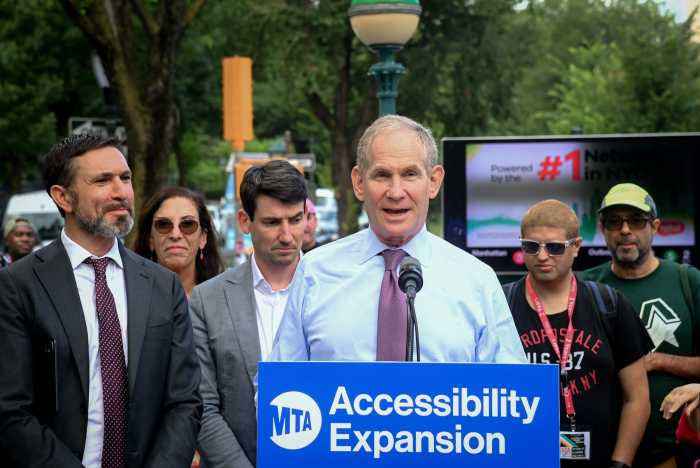
Gov. Kathy Hochul, in a statement, touted the newly-approved contracts as evidence that congestion pricing — a program she had delayed for months last year before finally giving the green light to in November 2024 — has been a success.
“Nearly one year in, congestion pricing has already sped up traffic and cleaned our air, and now it is supporting generational upgrades to our subway system,” Hochul said. “When these projects are completed, hundreds of thousands of riders will benefit from even more reliable and accessible service thanks to these significant investments.”
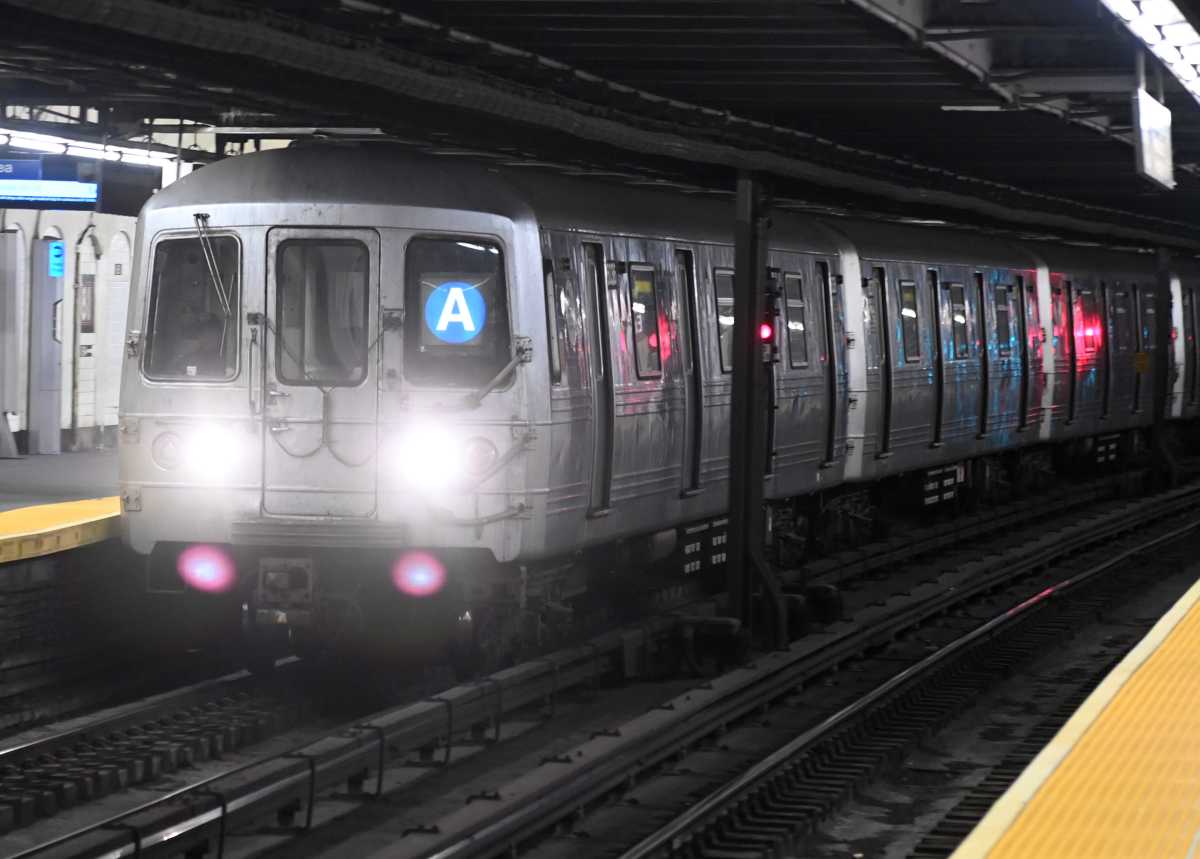
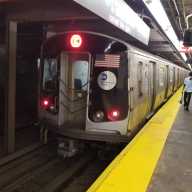
The contracts the board approved on Dec. 17 will see a modern Communications-Based Train Control (CBTC) signal system installed along the A and C trains’ Fulton and Liberty Avenue lines between Jay Street-MetroTech in Brooklyn and Ozone Park-Lefferts Blvd in Queens. The project will replace the lines’ nearly century-old signal system, first installed when it opened in 1936.
“These latest projects mean that riders on the A and C will get faster and more reliable service and less time being delayed by old signals,” said MTA Chair and CEO Janno Lieber in a statement.
The board approved both a $1.3 billion contract with L.K. Comstock & Company LLC to install the new signal system and a $151 contract with Siemens Mobility Inc. to maintain it for 25 years.
The project also includes upgrading and replacing switches, installing new tunnel lighting, and adding new cabling to provide cell service on trains when they are between stations.
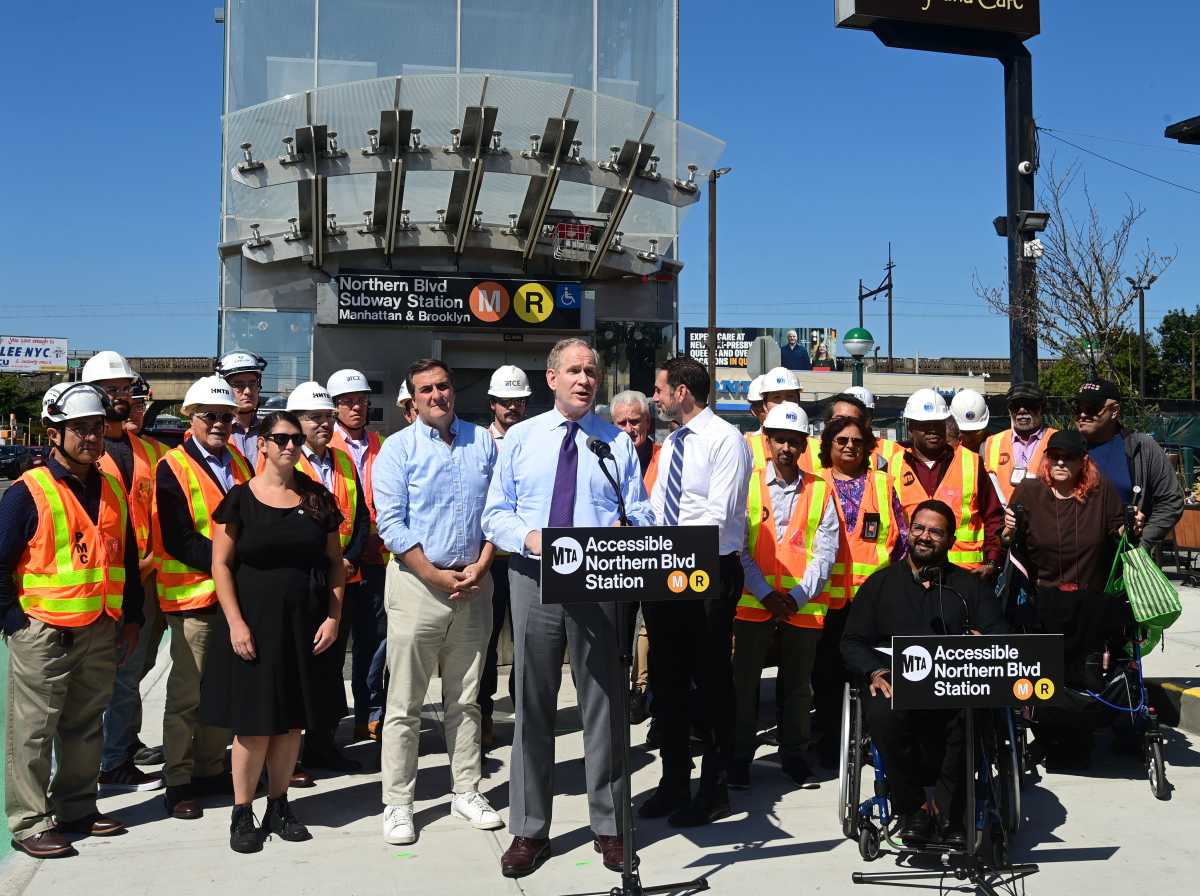
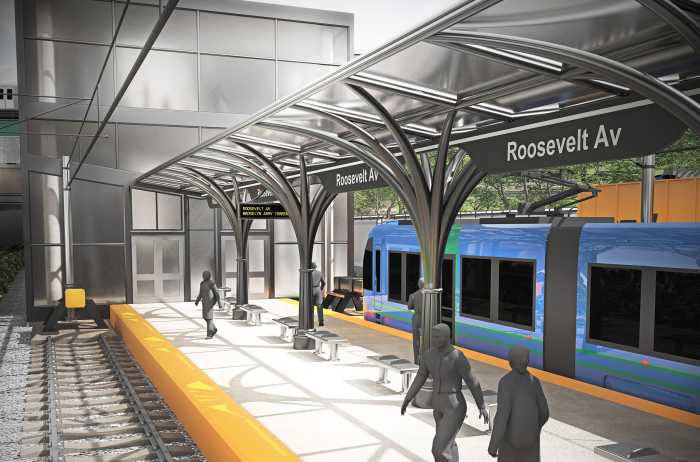
The board also greenlit contracts to add elevators and make other accessibility upgrades — including installing new accessible boarding areas on the platforms — at five stations to bring them in compliance with the Americans with Disabilities Act (ADA).
The stations that will see improvements include Bryant Park-42 St. and 5th Avenue on the B,D,F,M, and 7 lines in Manhattan; Parsons Boulevard and Briarwood on the F and E lines in Queens; and Gates Avenue on the J and Z lines in Brooklyn.
The contracts for the Bryant Park-42 St. and 5th Avenue stations include an $84 million accord with Paul J. Scariano, Inc. to install the accessibility features and another $5,7 million pact with Mid-American Elevator Co., Inc. for elevator maintenance for 15 years.
For the other three stations, the MTA inked a $169 million contract with Forte Construction Corp. to add the upgrades and another $12 million contract to maintain the elevators across all three stations for the same period.
Overall, the MTA has a long way to go to make every one of the subway’s 472 stations accessible. The MTA’s new five-year capital plan projects that roughly 75% of all subway stations will be ADA-accessible by its completion in 2029.