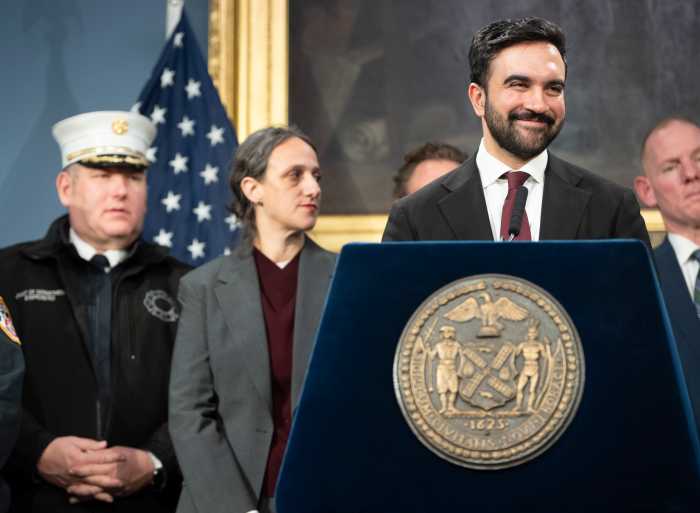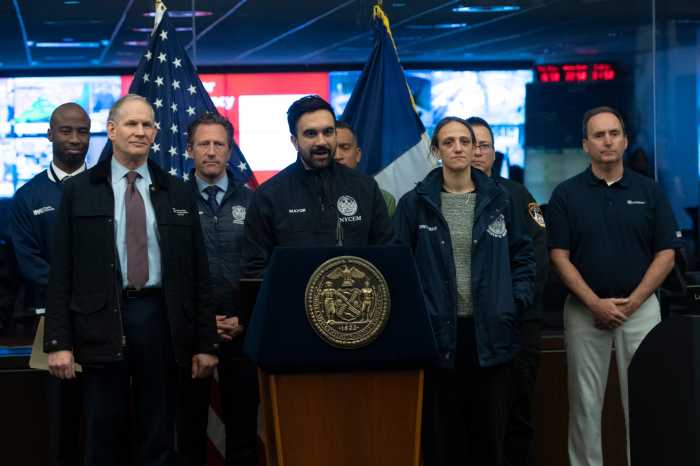



Friday, Jan. 30, marked the 30th day of Zohran Mamdani’s term as mayor. amNewYork is following Mamdani around his first 100 days in office as we closely track his progress on fulfilling campaign promises, appointing key leaders to government posts, and managing the city’s finances. Here’s a summary of what the mayor did today.
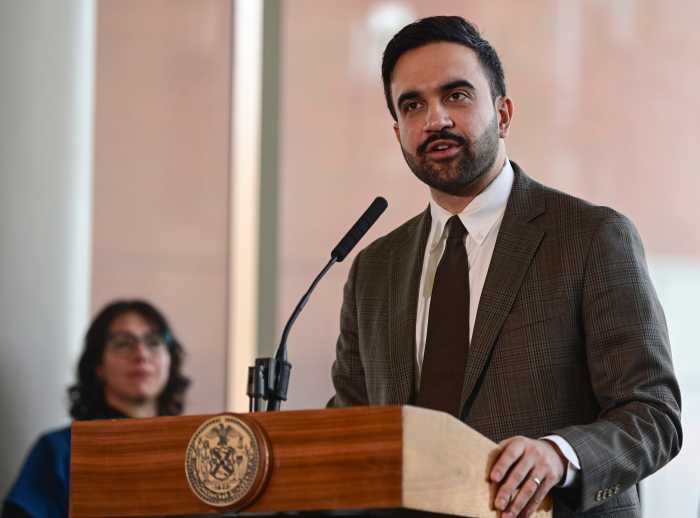
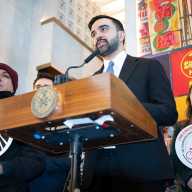
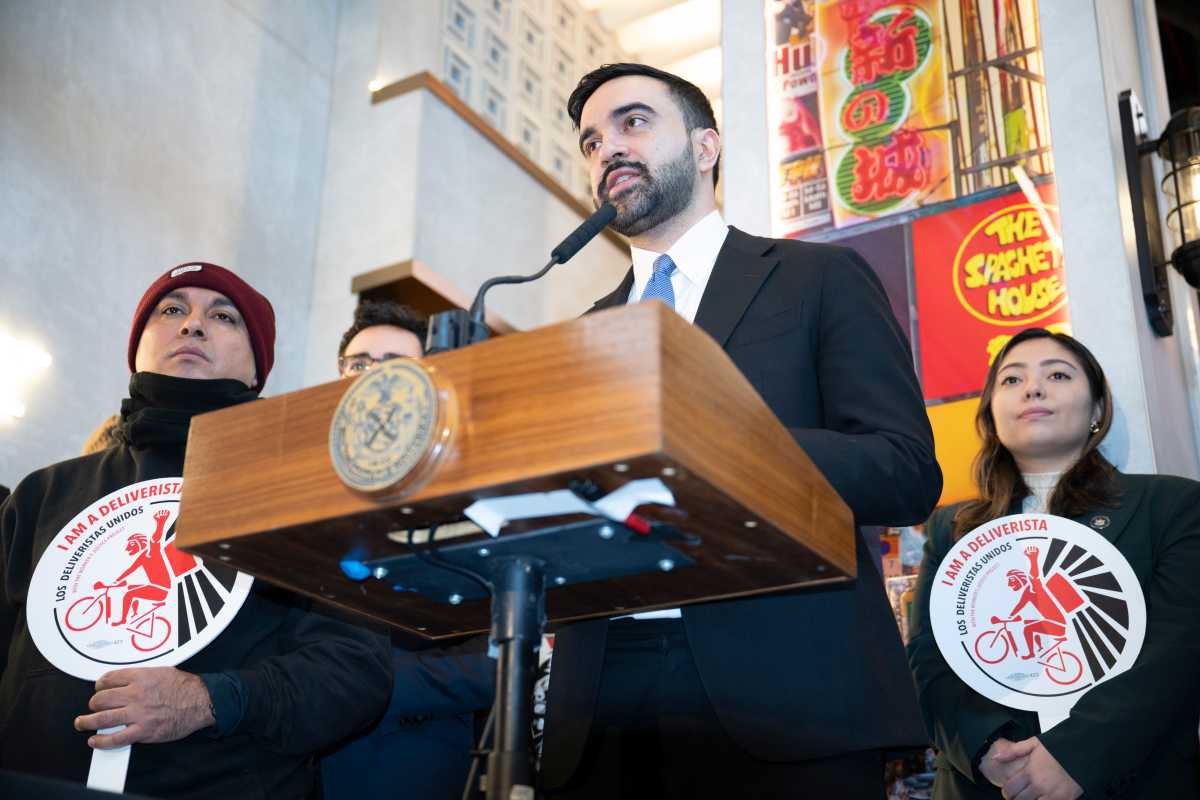
Three major food delivery companies agreed to pay more than $5 million in restitution and penalties after the city found they illegally withheld wages from tens of thousands of delivery workers, Mayor Zohran Mamdani announced Friday during a press conference in Long Island City.
According to the city’s Department of Consumer and Worker Protection, Uber Eats, Fantuan and HungryPanda violated New York City’s minimum pay law by failing to compensate delivery workers for time spent on trips that were later canceled — a practice the city says affected nearly 50,000 workers between late 2023 and early 2024.
“This is about companies breaking the law and workers not being paid for time they already worked,” Mamdani said. “If you make a living as a delivery worker in New York City, your life is relentless — biking through rain, heat and snow — and too often the mistreatment from massive corporations is relentless too.”
“All three companies did the same thing,” Mamdani said. “When trips were canceled, they didn’t pay workers for time they had already worked, even though the law clearly requires it.”
Affordability: What the deliverista settlement gives workers
Under the settlement, Uber Eats will pay $3.15 million in restitution and $350,000 in civil penalties, while Fantuan and HungryPanda will collectively pay just over $1.6 million. The city said Uber also agreed to reinstate delivery workers who were wrongfully deactivated, a remedy officials described as unprecedented and potentially affecting as many as 10,000 people.
But Uber disputes that figure. In a statement, Uber spokesperson Josh Gold said the company has reactivated 1,053 workers so far, not 10,000, and emphasized that the violations were limited in scope.
“We’re glad to have this resolved,” Gold said. “After the City notified us of the issue in August of 2024, we immediately corrected it, agreed to pay more than the amount owed, and appreciate the new administration moving quickly to bring this to a fair conclusion.”
Uber said the issue involved canceled trips and affected 94,096 couriers, though the company says not all were owed additional money. According to Uber, the average underpayment during the period — from Dec. 4, 2023, to Sept. 2, 2024 — was $19.48 per worker.
Requests for comment from Fantuan and HungryPanda were not returned at the time of publication.
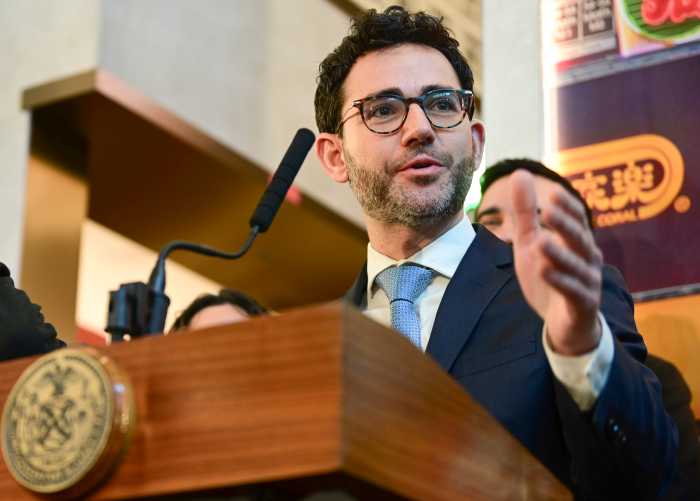
DCWP Commissioner Sam Levine said the settlement demonstrates the city’s growing capacity to monitor app-based companies through required pay data and worker complaints. He said the enforcement action was about more than recovering lost wages.
“For thousands of workers, reinstatement isn’t abstract,” Levine said. “It means rent gets paid, food is on the table, kids stay in school, and lives are put back on track.”
Levine described the Uber agreement as the first time the city has secured reinstatement for workers deactivated by an app-based company as part of a wage enforcement case.
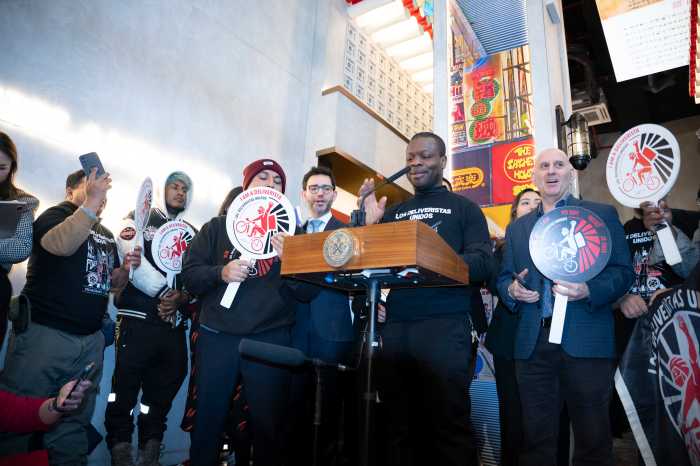
Worker advocates hailed the settlement as a turning point in the city’s effort to regulate the delivery app industry, which employs roughly 80,000 people in New York, many of them immigrants.
“For years, these companies treated the law as optional,” said Ligia Guallpa, executive director of Workers’ Justice Project and co-founder of Los Deliveristas Unidos. “What they call innovation was really a system designed to underpay workers, cancel trips without compensation and deactivate people without explanation. This settlement shows those days are over.”
Delivery workers and organizers emphasized that deactivation, often triggered automatically by app algorithms, can have immediate and devastating consequences. For years, the city’s deliveristas have faced sudden lockouts and unexplained “deactivations” from app platforms that instantly strip them of their ability to earn a living. Many report waking up to find their accounts shut down overnight — sometimes after years of consistent work — with little or no explanation and few practical avenues for appeal, leaving them without income, housing security, or a way to support their families.
“Deactivation isn’t just losing access to an app,” said Aboubacar Ki, a delivery worker and organizer. “It’s losing income overnight, losing housing stability and being pushed into crisis.”
The announcement came amid a broader crackdown by the Mamdani administration on app-based companies. Over the past month, DCWP released a report accusing Uber and DoorDash of using interface “design tricks” that reduced worker tip earnings by more than $550 million, filed a lawsuit against a delivery platform accused of wage theft, and sent compliance warnings to dozens of app companies.
The city’s minimum pay rule for delivery workers, enacted in 2021, currently requires apps to pay a minimum hourly rate based on active work time. That rate is scheduled to rise to $22.13 per hour in April 2026.
Uber, meanwhile, maintains it has already fixed the problem cited by the city and says it paid more than what was legally required as part of the settlement.
Still, Mamdani framed the case as emblematic of a broader shift in how City Hall plans to deal with powerful tech platforms.
“For too long, government stood with the companies accumulating the wealth,” he said. “This administration is standing with the people who generate it.”
“In the first month of this administration, our city has made one thing unmistakably clear: there is zero tolerance for exploiting workers, cutting corners on labor protections, or rigging our economy to serve wealthy corporations at the expense of working people,” said Mamdani.
This is a developing story. Check back for updates.