


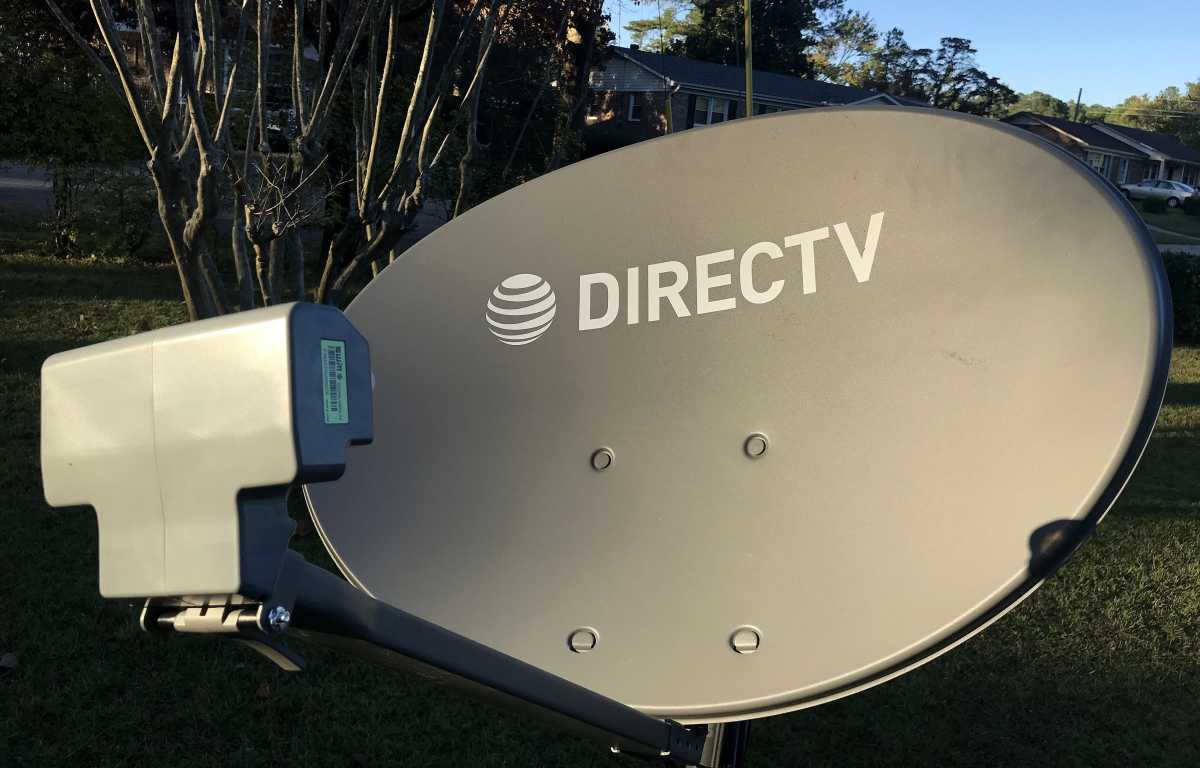
After a federal judge cut the cord on DirecTV’s antitrust suit against Nexstar Media Group and two other TV distributors, the U.S. Court of Appeals for the Second Circuit restored the claims that the distributors conspired to drive up broadcast fees.
In reversing the Southern District of New York dismissal for lack of standing, a split three-judge circuit panel allowed the streaming and satellite TV company to proceed with its federal claims.
“Lost profits resulting from a reduction in output represent a cognizable antitrust injury, and DirecTV plausibly alleges that its lost profits flowed directly from the output-reducing effects of the alleged price-fixing conspiracy,” U.S. Circuit Judge Steven Menashi wrote in an opinion joined by U.S. Circuit Judge Denny Chin.
The majority also said DirecTV is an efficient enforcer of antitrust laws because it was the direct target of the purported conspiracy between Nexstar and station owners Mission Broadcasting and White Knight Broadcasting — and it has a longstanding history of reaching agreements with the distributors.
Things went awry, according to the 2023 lawsuit, when DirecTV refused to pay jacked up rates; Mission and White Knight withdrew their signals in October 2022, causing a blackout of their stations for nearly a million DirecTV subscribers.
U.S. Circuit Judge Richard Sullivan dissented from the majority ruling. He said any harm to DirecTV, which did not actually pay the supracompetitive prices in question, was indirect and speculative.
“Whether or not DirecTV suffered an ‘antitrust injury’ in this horizontal price-fixing case, I agree with the district court that DirecTV failed to show that it is an ‘efficient enforcer’ of the antitrust laws — as it must to have standing to sue,” Sullivan wrote.
The judge continued: “The antitrust laws fashion a remedy for those who ‘pay excessive prices’; they do not ‘provide a remedy in damages for all injuries that might conceivably be traced to an antitrust violation.’ Greenlighting DirecTV’s attenuated theory of injury therefore undercuts the very foundation of the antitrust laws.”
Paul Mezzina of King & Spalding represented DirecTV and Lauren Zehmer of Covington & Burling represented Nexstar. Neither attorney returned a request for comment by press time.