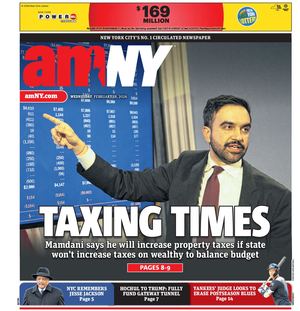



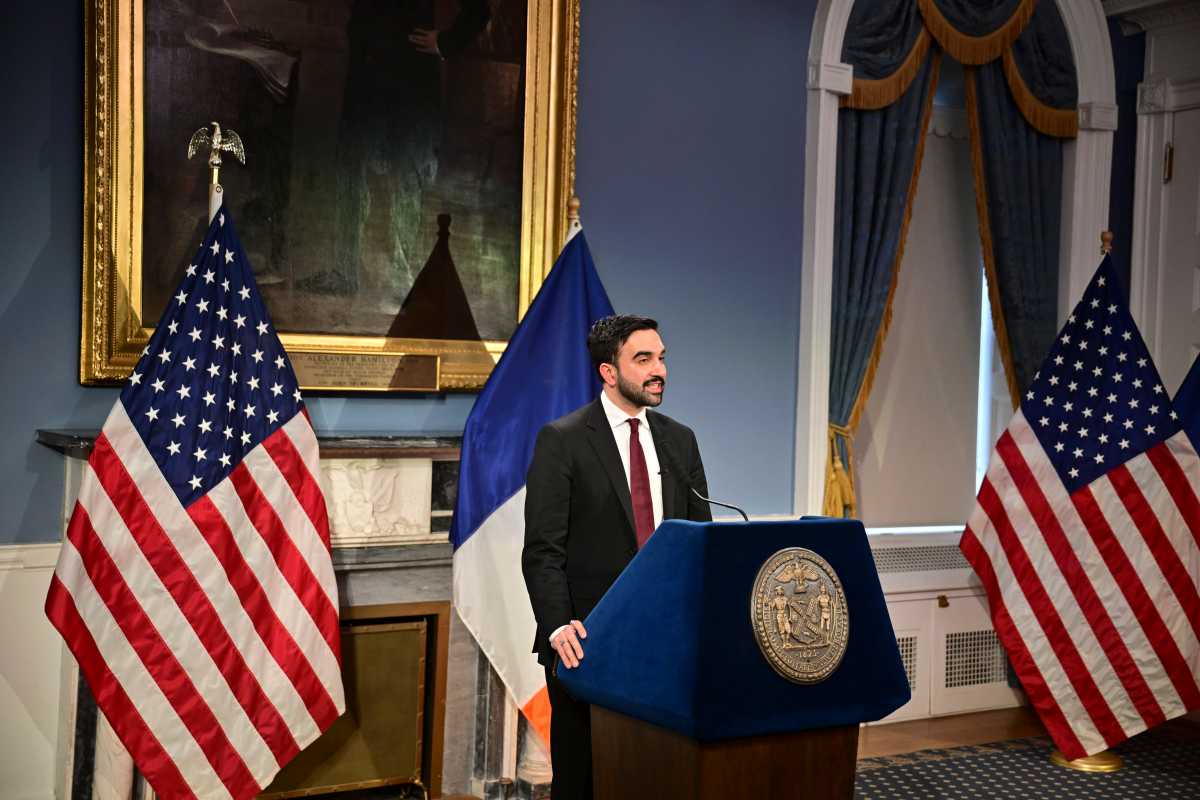
Mayor Zohran Mamdani’s “last resort” proposal to increase NYC property taxes would have a ripple effect on the Big Apple, impacting renters and homeowners alike, economists and housing experts told amNewYork.
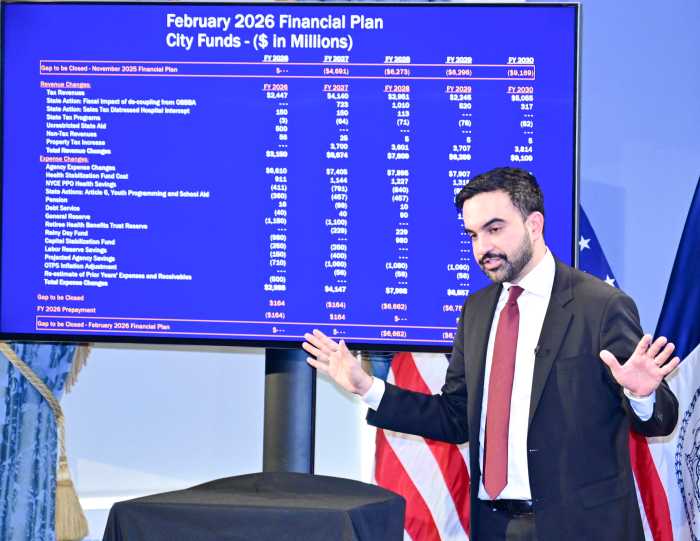
Mamdani proposed the 9.5% property tax hike, which ultimately needs NYC Council approval, on Feb. 17 as a means of shoring up city finances and funding key municipal services. He called the plan a “last resort” measure should state lawmakers fail to increase taxes on the wealthy, something which the mayor has long supported.
The proposed property tax increase Mamdani outlined Tuesday would, if enacted in the final budget to be negotiated with the City Council this spring, affect every city property owner, regardless of income. City Council Speaker Julie Menin has already voiced her opposition to any property tax increases.
But if property taxes are raised, experts warn that property owners will likely have to pass along a significant share of the increased costs to their tenants — at least at some point.
“Anytime you suddenly tax something like this, capital, something physical like houses and property, you can get a bunch of tax money initially, but long-run effects are really bad,” said Chris Ball, associate professor of economics at Quinnipiac University in Connecticut. “Because what it definitely does is make it less valuable to invest in properties and develop the properties that you have.”
Ball explained that a new tax burden will likely intensify existing maintenance issues within buildings, particularly in rent-controlled or rent-stabilized units. When property taxes rise without a return on investment, small property owners have a diminished financial incentive, along with reduced capital, to fund various repairs and routine building maintenance.
This ripple effect from the mayor’s proposal can lead to a decline in the overall quality and safety of housing across the city.
“If it stays, it’ll just mean less good housing and less housing in NYC and make all the problems currently being faced worse over time,” Ball said.
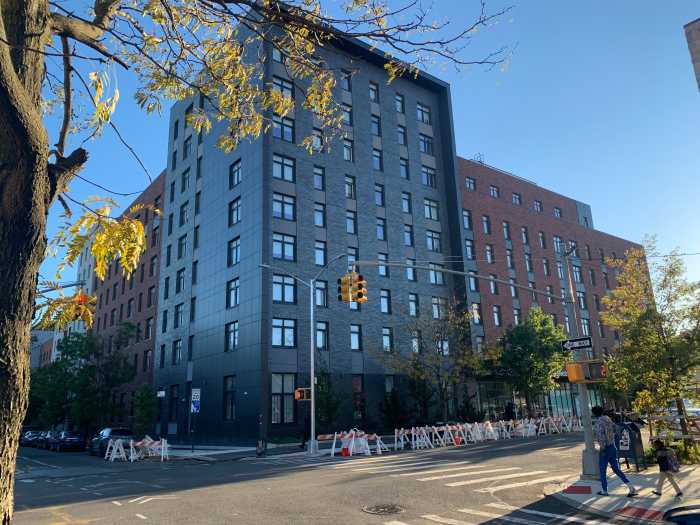
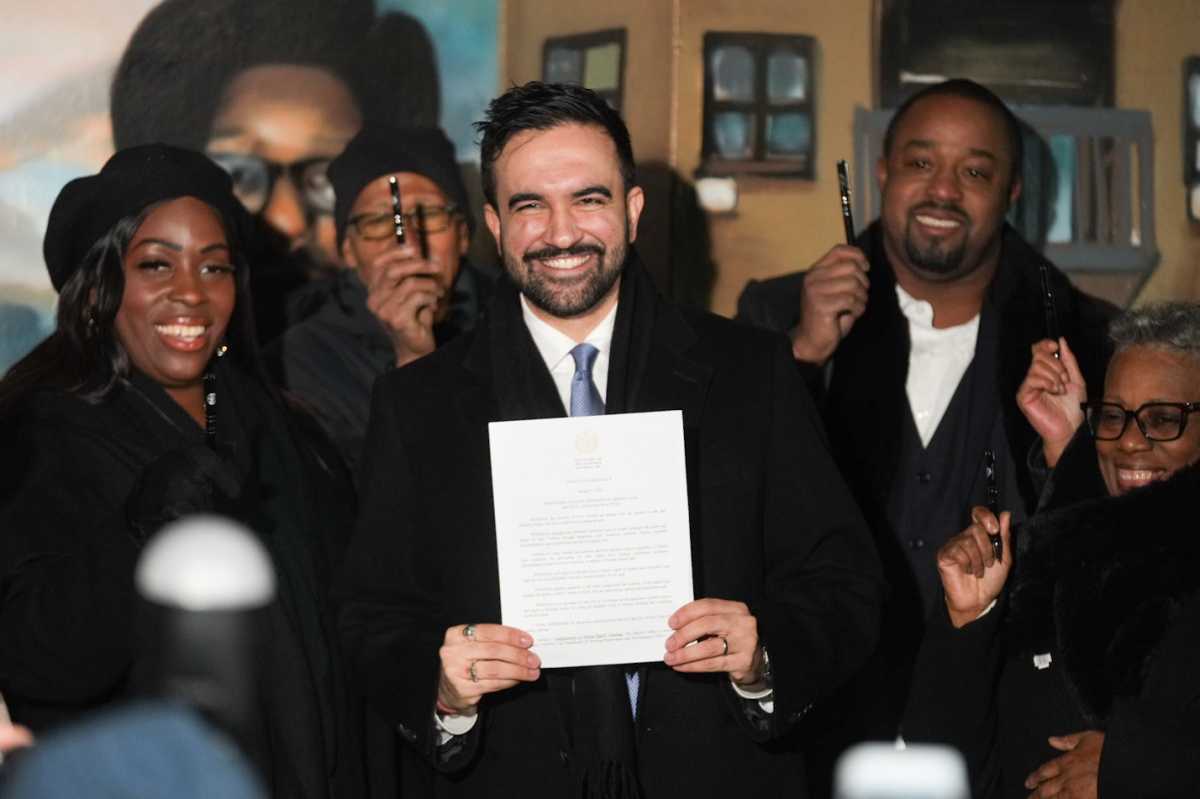
Kenny Burgos, CEO of the New York Apartment Association, echoed similar sentiments on Wednesday, the same day the mayor announced new members to the city’s Rent Guidelines Board (RGB), a move that brings him closer to his campaign promise of a rent freeze.
“Data show that tens of thousands of rent-stabilized buildings are in severe fiscal distress,” Burgos said. “This is a generally accepted fact among academics, housing experts, and former RGB members.”
Rob Lee, a small property owner in Brooklyn who rents to 19 families, said he is concerned about a possible tax increase, especially at a time when home insurance rates and utility costs are rising.
“My buildings are not rent-stabilized, but Mamdani is talking about freezing rent. But at the same time, he’s talking about a 9.5% tax increase,” Lee said. “And since the pandemic, my home insurance rates have gone up 20 to 30% each year. These are buildings that have no violations, no lead, no asbestos, nothing.”
Lee, who owns both traditional apartments and those protected under the Good Cause Eviction Law, said he would have to raise rents to cover the new taxes.
“The free market rents are going to go up,” he said. “Some of my free market tenants have been with me for more than two decades.”
Lee said he does not like raising rent. In fact, for a good chunk of time, he did not have to increase rent bills at all.
“Every year since 2019 I’ve had to raise rents,” he said. “But before that, around 2010, 2011, taxes and insurance would go up 2 to 3%. Once in a while, they’d even go down. It wasn’t an issue. I could give the same rent for like two or three years. It wasn’t a problem but now it’s just off the hook.”
Pat Cuomo, a landlord in East Harlem, said that the mayor “does not understand the implications” of extra taxes.
“What will property owners do? In my case, I will have to pass on those taxes to the working people in my units,” Cuomo said. “These are hard-working people who can ill afford increased rents as a result of higher taxes.”
Cuomo added that property owners in the outer boroughs, particularly those with single- or double-unit properties, will also be adversely affected.
“These are working people who are the basis of the tax base in New York,” he said. “Even if a small number of them decide to sell or move to another low-tax area, what effect will it ultimately have on the city and its finances?”
Tenants call for a rent freeze
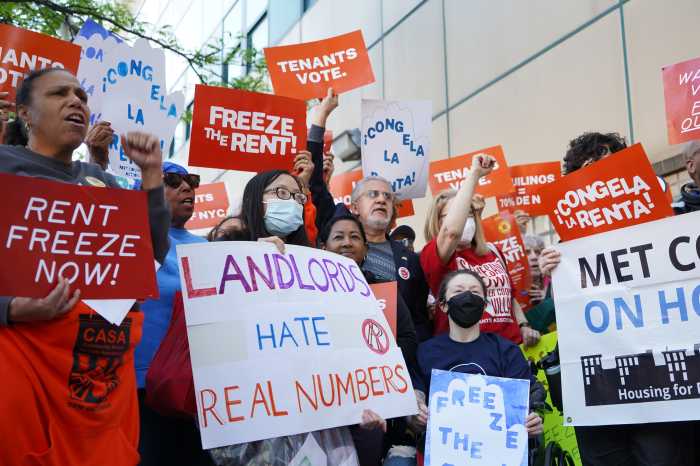
In the meantime, tenant advocates on Wednesday applauded the mayor’s new RGB appointments and called for a rent freeze.
“New York tenants are getting our rent freeze,” Sumathy Kumar, director of the NYS Tenant Bloc, said in a statement. “The data’s clear: landlord profits are up 12% — the biggest increase since the ‘90s — while tenants are choosing between paying rent and putting food on the table.”
amNewYork asked the organization to comment on what a property tax increase could mean for tenants and is awaiting a response.
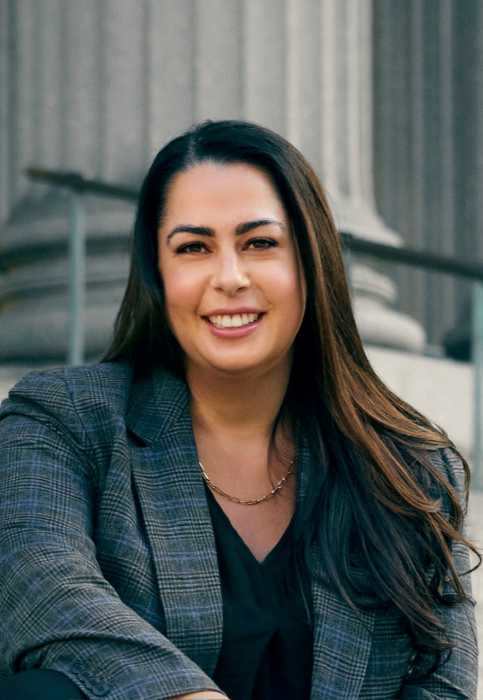
Chantell Mitchell, the newly appointed chair of the RGB, said she was honored and looking forward to working with the board, adding, “rent-stabilized housing plays a critical role” in the city’s housing market.