


Riders requesting wheelchair-accessible for-hire vehicles (FHVs) and taxis continue to face disparities in service, according to a report published Tuesday by the New York Lawyers for the Public Interest (NYLPI).
The report comes on the same day Gov. Kathy Hochul reversed course on her plan to start testing for-hire self-driving cars outside of NYC. Dubbed “Left Behind Across New York State,” the report shows that riders in the state, including in the Big Apple, have difficulty finding wheelchair-accessible vehicles (WAVs) through apps like Uber and Lyft.
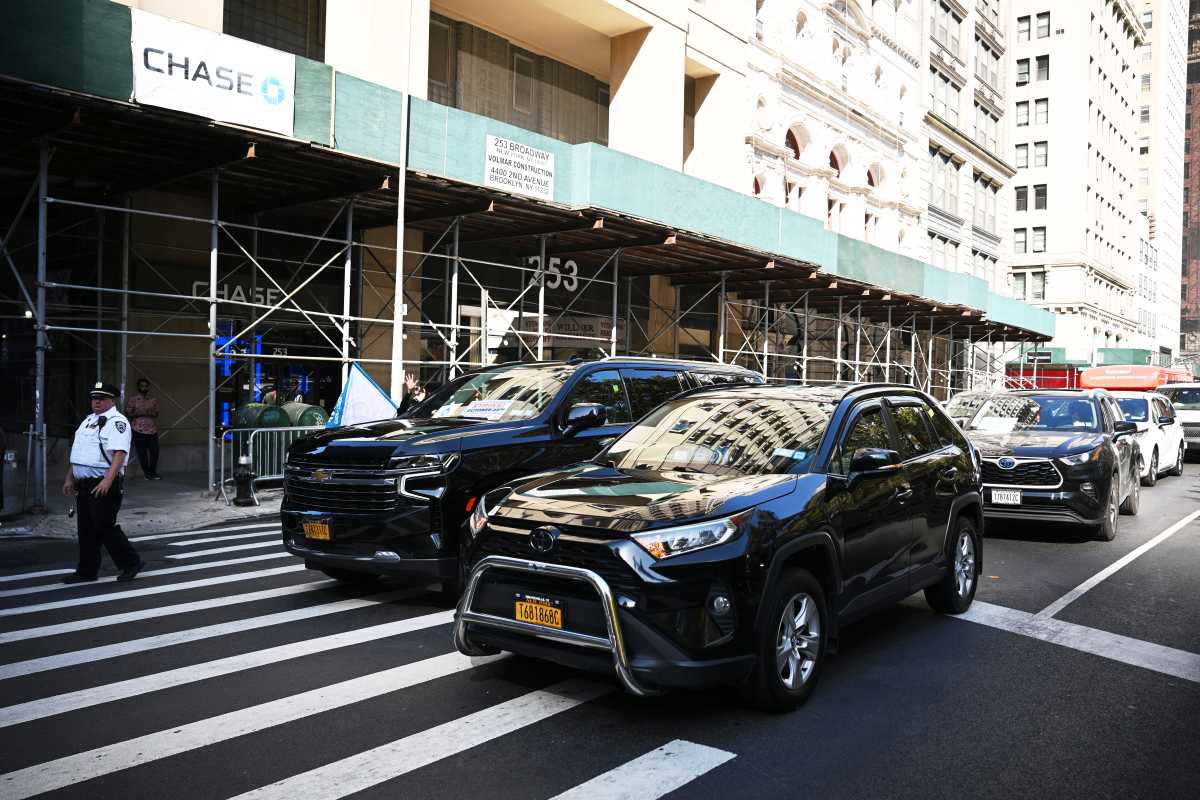
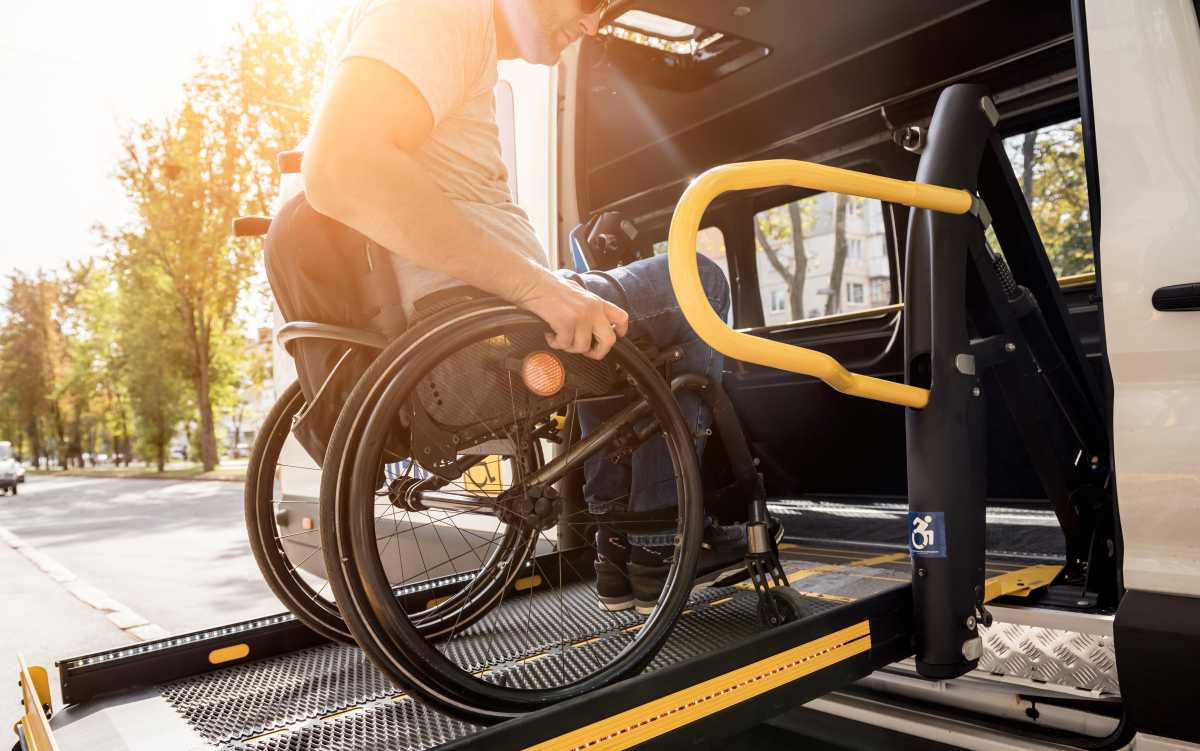
Despite a significant fleet of over 106,000 FHVs in NYC, only 7% of the fleet is composed of wheelchair accessible vehicles (WAVs), according to the study — thus leading to significantly longer wait times for disabled riders.
Although 2019 rules have resulted in a “modest increase” in the number of fully accessible FHVs within NYC, the report shows, riders with disabilities face longer wait times and lower vehicle availability than riders requesting other vehicles with identical routes and times.
Lyft showed the largest disparity, with an average wait time of 9 minutes for WAVs, compared to only 4.1 minutes for inaccessible vehicles. But Uber also showed differences in wait times between WAVs and inaccessible vehicles, with average wait times of 4.3 minutes for WAVs and only 2.3 minutes for inaccessible vehicles.
Uber disagrees that the lag is significant
Josh Gold, a spokesperson for Uber, said the company “rejects the premise” that the lag time is significant.
“While a difference exists, we also reject the premise that a roughly two-minute difference in reported wait times is significant,” he said in a statement. “WAV trips often require additional time for safe boarding and proper securement before a trip is formally started in the app — a step that does not apply to non-accessible trips and can influence how wait times are measured.”
Gold also cited improvements to the WAV program.
“We’ve expanded the number of WAV drivers on the platform, increased trip volume, and built the largest, most reliable wheelchair-accessible networks in the country,” he said.
amNewYork contacted Lyft for comment on the study’s findings and is awaiting a response.
Curb, a ride-hailing app that only sends out taxis, showed the smallest disparity in estimated wait times for WAVs, with an average wait time of 3.8 minutes for a WAV versus a 3.2-minute average wait time for an inaccessible taxi.
“Our commitment to accessibility is unwavering. As the most accessible fleet in the nation, we will always work to ensure that people with disabilities have the same access to transportation as everyone else,” NYC TLC spokesperson James Parziale said. “Since 2019, we’ve seen a 1,200% increase in accessible Uber and Lyft vehicles and implemented rules that have significantly brought down wait times for accessible trip requests.”
Suhali Méndez, policy and legislative coordinator at NYLPI, said it is “disheartening” to see the results of the study.
“We deserve a system that works for everyone—not just those who can use standard for-hire vehicles,” Méndez said. “New York must invest in accessible electric vehicles and hold companies like Uber and Lyft accountable for providing equitable services across the state.”
Another finding from the study shows that ride apps often list the WAV option below options for luxury vehicles, energy-efficient green vehicles and pet transportation services.
Mandate autonomous FHVs be 100% accessible: researchers
Researchers listed several ways the state can make rideshare travel easier for disabled New Yorkers, including mandating that any autonomous vehicles licensed to operate in the Empire State are 100% accessible.
They also recommended issuing a Request for Proposals for fully accessible electric vehicle models that can be deployed in FHV and taxi fleets.
“No one [anywhere in New York] should be left behind simply because they use a wheelchair,” Méndez said.
State Sen. Julia Salazar of Brooklyn said New York’s transportation system should be “inclusive, effective, and efficient,” while zeroing in on FHVs.
“This report makes it clear that New York must take legislative action to address the disparities that exist within the for-hire vehicle industry, including by banning surge pricing for accessible vehicles and mandating that autonomous cars in our state be 100% accessible,” she said.