


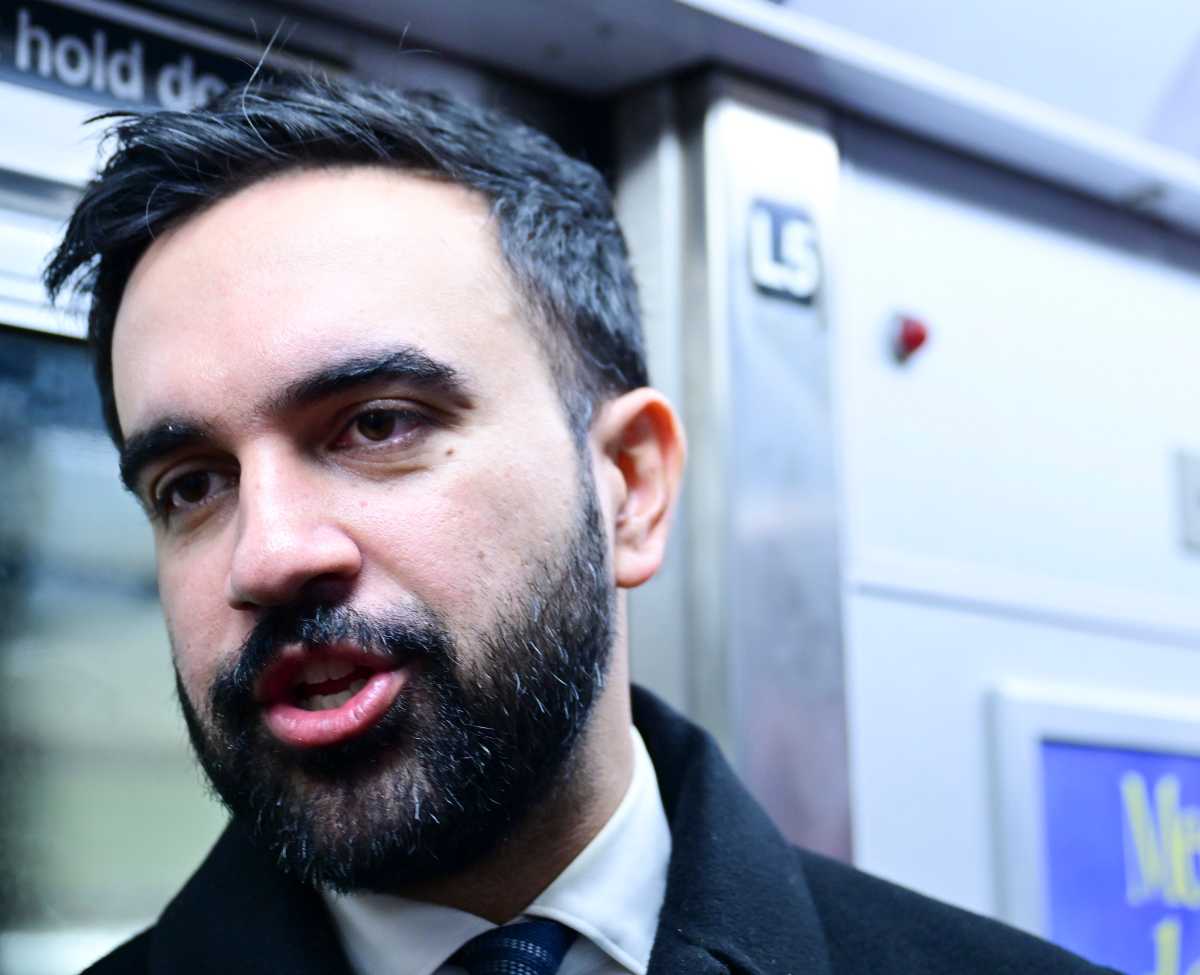
Saturday and Sunday, Feb. 21-22, marked the 52nd and 53rd days of Zohran Mamdani’s term as mayor. amNewYork is following Mamdani around his first 100 days in office as we closely track his progress on fulfilling campaign promises, appointing key leaders to government posts, and managing the city’s finances. Here’s a summary of what the mayor did yesterday and today.
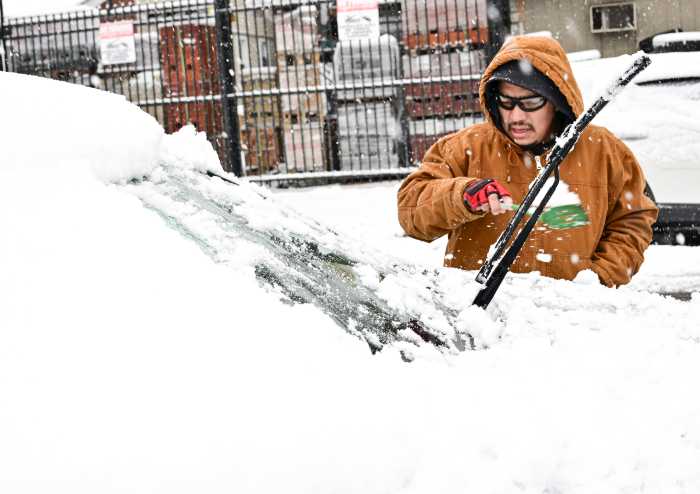
Mayor Zohran Mamdani spent the weekend gearing up for the second major snowstorm of his tenure, bracing the city for 12-18 inches of snowfall expected between Sunday and Monday.
The city has prepared 2,200 snow plows, 1,000 emergency snow shovelers, dozens of warming centers and buses, and declared a Code Blue — instructing city shelters to take in any New Yorkers stuck in the cold.
The blizzard comes just weeks after a storm that brought a dozen inches of snow to parts of New York City and a historic extended cold snap that led to the deaths of 20 New Yorkers. This weekend’s storm could bring the most snowfall the city has seen in the past five years.
As snow begins to fall on the five boroughs, Mamdani and his administration are looking to take the lessons they learned during January’s snowfall into their response to this weekend’s storm, which will again bring freezing temperatures to the five boroughs.
Mamdani declared a state of emergency and announced a travel ban, both of which will begin at 9 p.m. on Sunday, at an afternoon news conference. More than 7,400 flights scheduled for Sunday and Monday have been canceled, and over half of all flights at John F. Kennedy and LaGuardia airports have been canceled in anticipation of the storm.
Like last time, Mamdani has a key message for New Yorkers: stay inside.
Lessons learned? Mayor takes on second weather test of term
When January’s snowstorm brought much of the city to a standstill, the city moved all public schools online for the day, rather than cancel classes altogether. The day saw relatively low attendance compared to typical in-person numbers, and students and teachers ran into minor technical bumps.
This time around, the city is calling an all-out, traditional snow day on Monday, instructing students to stay inside and enjoy the time off. Mamdani said at Sunday’s news conference that the snow day can be attributed to a “unique set of extenuating circumstances.”
For Monday, the city was granted a waiver by the state education commissioner, Mamdani said.
The city is also taking a stronger stance on travel than it did for last month’s snowstorm, opting for a travel ban. During January’s storm, the city strongly advised against unnecessary travel, but did not outright ban nonessential vehicles from being on the streets.
Under the travel ban, city streets will be closed to all “non-essential vehicular traffic” from 9 p.m. Sunday to 12 p.m. on Monday, Mamdani said. Vehicles exempt from the travel ban include government and emergency response vehicles, public transportation vehicles, and food, fuel, and medical supply delivery vehicles.
Gov. Mikie Sherrill announced shutdowns of New Jersey Transit operations and speed restrictions on major roadways on Sunday afternoon. Mamdani urged New Yorkers to cook for themselves and avoid ordering food for delivery.
And, as the city braces for more freezing temperatures, the Mamdani administration is doubling down on its efforts to bring New Yorkers in from the cold and raise awareness about the shelter options available to those stuck outside.
Facing a crushing cold snap that lasted from mid-January into early February, which began with the January storm’s heavy snowfall, the Mamdani administration built an emergency response that prioritized getting people inside.
Like the last storm, the city is sending outreach teams to locate and assist New Yorkers stuck in the cold as part of its Code blue protocol. Mamdani has emphasized that outreach should be led by the Department of Homeless Services rather than the NYPD.
Throughout the recent cold snap, the Mamdani administration increased the number of warming centers and warming vehicles open throughout the city, from 10 at the start of the storm in January to 22 warming buses, 13 school warming centers, and 11 hospital warming facilities. With a greater number of available warming centers, the administration is emphasizing an early and aggressive response to the cold.
The administration has faced heavy scrutiny for its response to the cold snap, with various elected officials, including City Council Speaker Julie Menin, urging the mayor to involuntarily remove more individuals from the streets. New York State has narrow provisions for forcibly bringing individuals inside, requiring an individual to be both exhibiting signs of mental illness and a threat to themselves or others.
Mamdani said at Sunday’s news conference that the city placed 86 individuals into shelters on Saturday evening as the cold began to settle over the city, emphasizing a proactive response as New Yorkers grapple with the lives lost to the cold earlier this year.
“Every New Yorker seeking warmth and shelter will be able to find it in our city,” Mamdani said Sunday.