

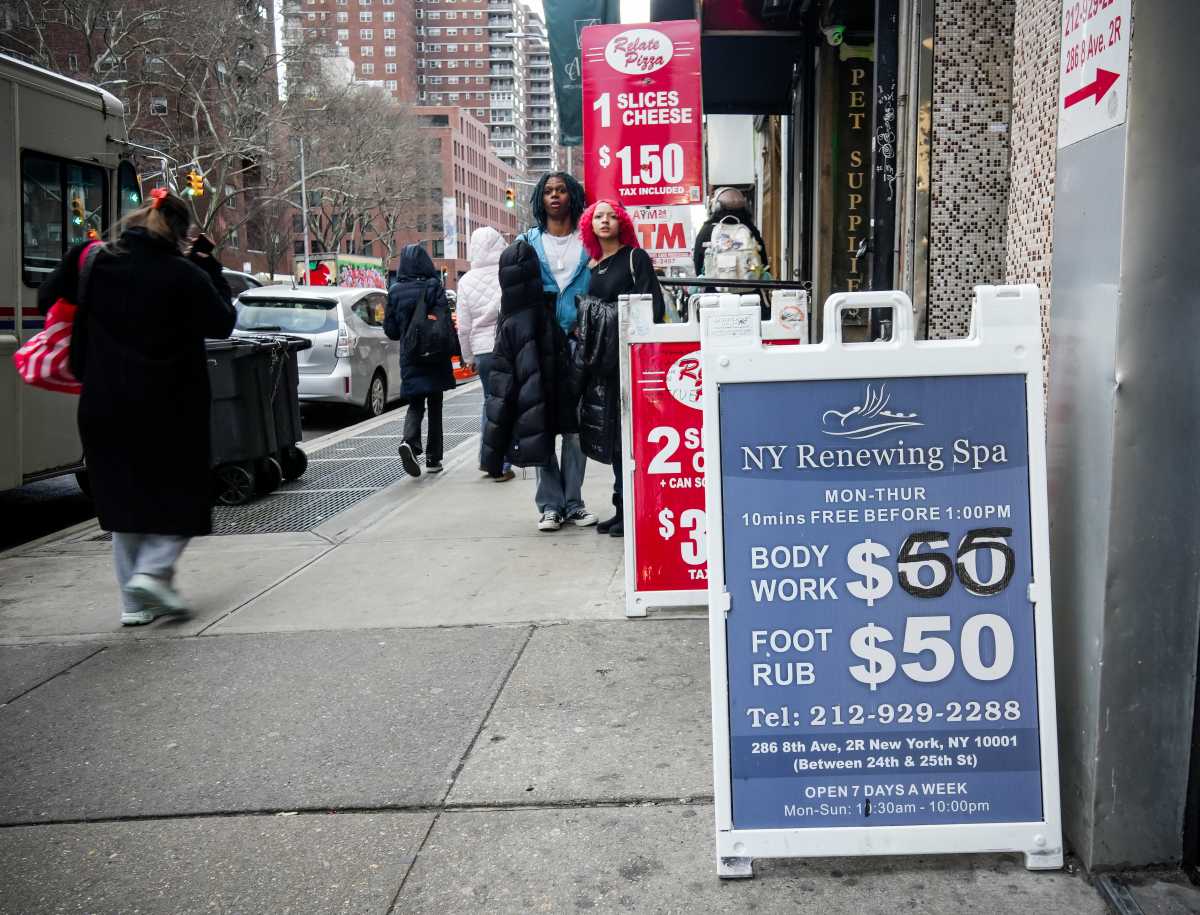
Don’t let the soaring skyscrapers of Manhattan, Long Island City and Downtown Brooklyn fool you: New York City is a city of small businesses. The skyscrapers may seem as large as icebergs, but the real strength of the city’s economy can be found at street level.
City, state and federal economic bureaus note that 98% of all businesses in the Big Apple are small businesses, which is defined as having fewer than 100 employees. Many of them are retail outlets, restaurants, bars and nightclubs — but all of them deal with a great number of economic struggles.
Chief among these struggles is the miasma of city regulations that small business owners must navigate not only to open the doors but to also keep them open. Those regulations come with fees and financial penalties (for non-compliance) that quickly add up.
It’s no wonder that a business failure is just as easy as a business opening in New York. In an October 2025 report, the city’s Economic Development Corporation estimated that 4,910 businesses opened in the first quarter of 2025, while 5,310 businesses closed. It goes without saying that high fines and fees are a symptom of business closure, and it need not be so.
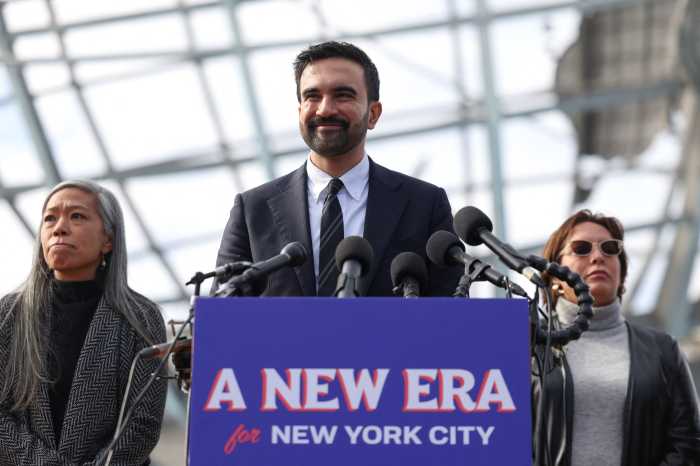
This is why it was so encouraging to see Mayor Zohran Mamdani sign an executive order on Wednesday mandating that seven agencies dealing directly with small businesses catalog and review every single fee and penalty, and find ways to cut fees and penalties down over the next six months.
The order would not apply to obvious safety standards that are required to guard against violations of health, fire and safety codes. Instead, Mamdani’s order aims to ease a regulatory burden by ending silly charges for things like obtaining a frozen dessert permit.
Mamdani has proclaimed himself a democratic socialist, but this order is very much a free-market move — and one that will help keep small businesses across New York thriving for years to come. It is giving business owners across the city greater economic freedom by cutting through government red tape that stifles both progress and innovation.
Every small business across the five boroughs is dealing with higher costs on just about everything — rent, inventory, payroll and benefits for their employees, etc. Eliminating onerous regulations and excessive fines will reduce one of businesses’ expenses, enabling them to lower the costs of goods and services they provide to customers daily.
This regulatory reform is what New York needs to keep its small businesses thriving. Now that Mamdani has set the wheels in motion, it is up to his government to follow through and ensure that the days of small businesses being squeezed into submission by red tape are over once and for all.