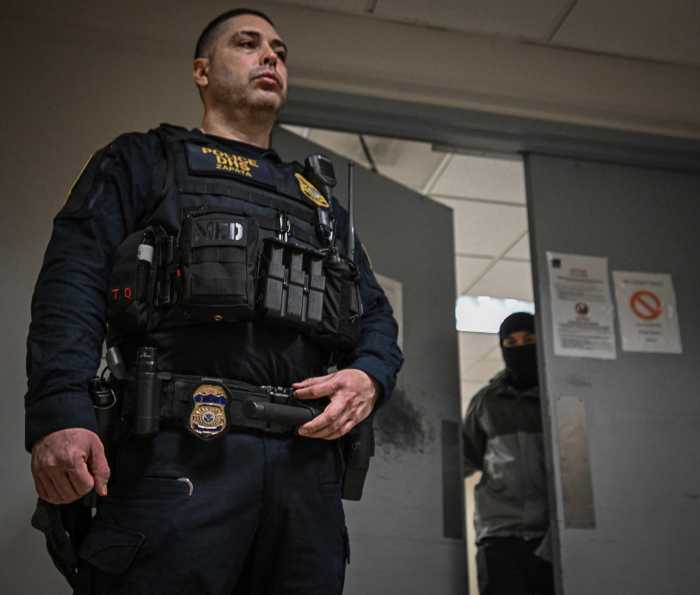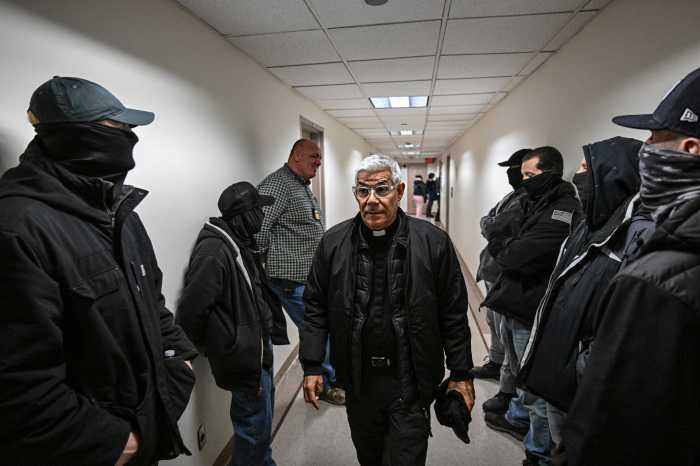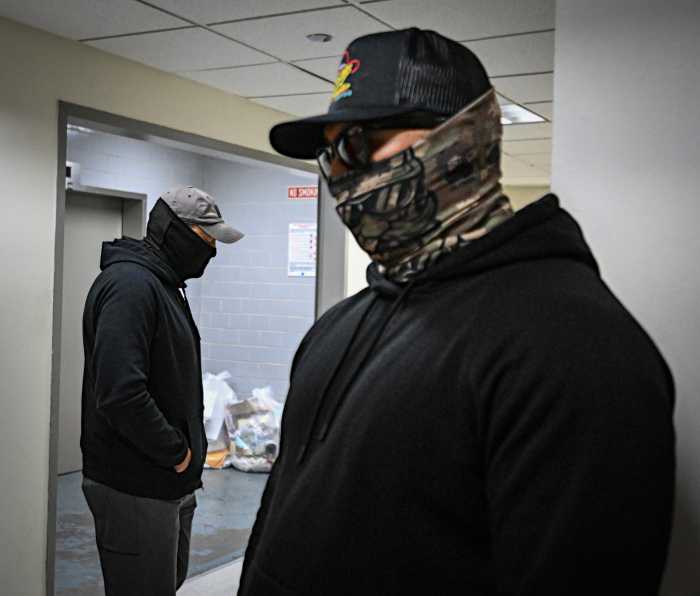



When ICE agents raided street vendors in Chinatown this fall, it sparked not only backlash from bystanders but also crippling fear among street vendors across the city, regardless of what they’re selling.
Since ICE raids have increased in major cities, including New York, immigrants have been repeatedly targeted at homes, workplaces and court hearings. Street vendors, most of whom are immigrants, are among those targeted as they try to earn a living.
There are about 23,000 street vendors in New York City, with the largest populations in Queens and Manhattan. According to the Immigration Research Initiative, 96% of city street vendors are immigrants.
“Since the president sent ICE to New York City, most of the vendors in my community have run,” said Calvin Baker, a street vendor from Harlem. “They’ve had to run, so it’s hard for them to make money. They sneak out maybe once or twice a week, hoping their things or themselves won’t be confiscated. If your things are taken, you have to show who you are. And if you can’t prove citizenship, they’re looking for immigrants.”
Many immigrants choose street vending as a source of income because of its low start-up costs and fewer barriers to entry.
Among immigrant mobile food vendors, 27% are undocumented, while 39% are permanent residents or naturalized citizens. Another 30% preferred not to answer, according to the study.
Among general merchandise vendors who are immigrants, 67% are permanent residents or naturalized citizens, while 13% are undocumented. Nineteen percent preferred not to answer.
Although the percentage of street vendors who are undocumented immigrants is low, vendors as a whole are targeted in ICE raids. Many find it difficult to earn an income due to fear of detention.
Some street vendors have been personally targeted by ICE, or know others who have. Guadalupe Sosa, a second-generation street vendor from East Harlem, has not been personally affected, but has heard stories from fellow members of the Street Vendor Project who were targeted.

“We have heard that some of our members show up to their ICE appointments and we haven’t heard back from them,” Sosa said. “Some are scared to show up in person, so they try to do it virtually, but that costs more money than most street vendors have. We are targeted every day by law enforcement, who take our merchandise or force us to run or hide for safety.”
A threat by President Trump’s border czar, Tom Homan, of increased federal customs enforcement in New York City has raised questions about how immigrants, especially street vendors, can protect themselves from ICE.
In response, organizations such as the Street Vendor Project and Make the Road New York have increased resources for street vendors and immigrants. These include legal and financial assistance, Know Your Rights trainings and other services.
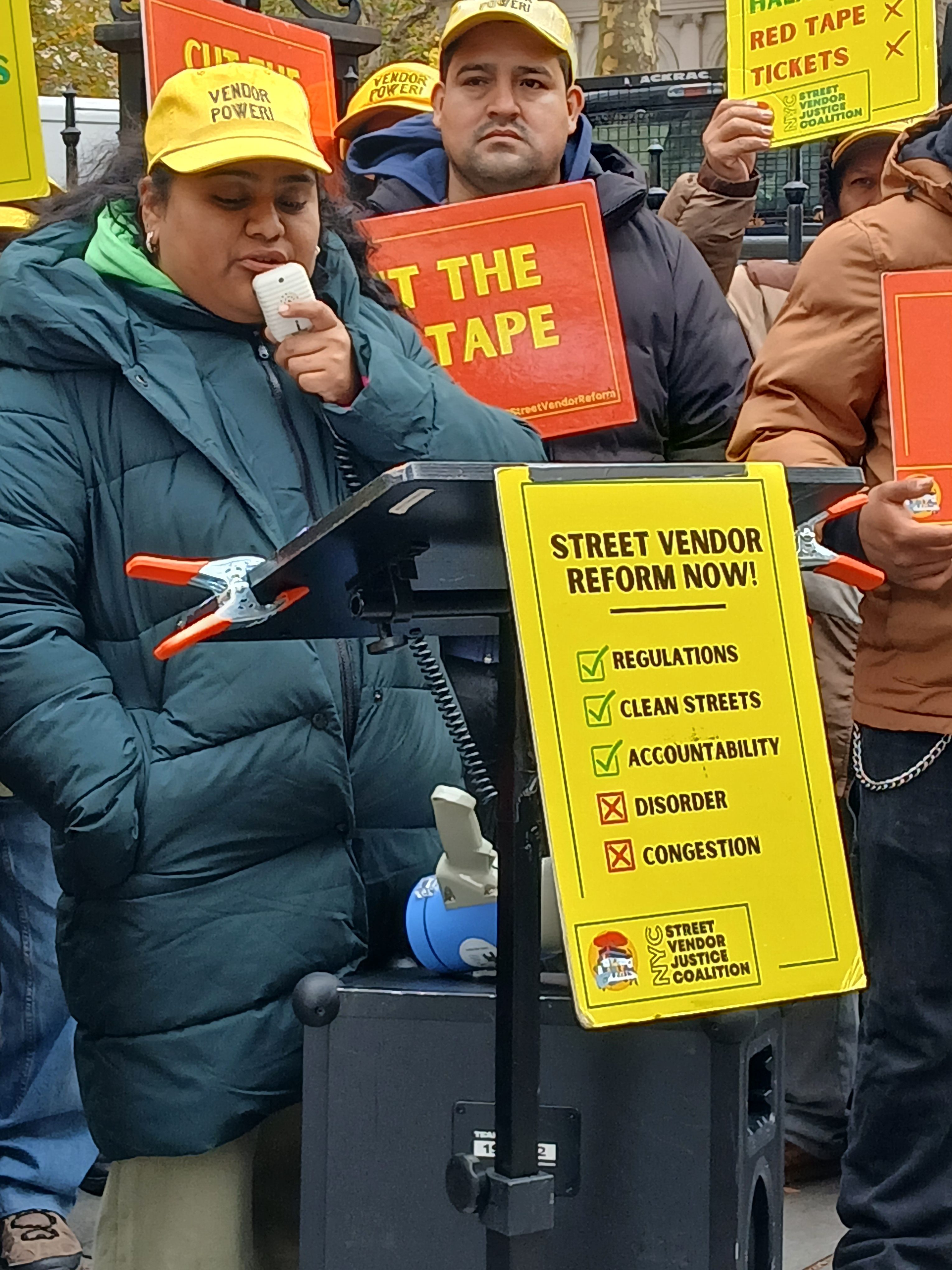
In addition to these resources, advocates say reforming street vending laws is necessary to ensure vendors’ safety.
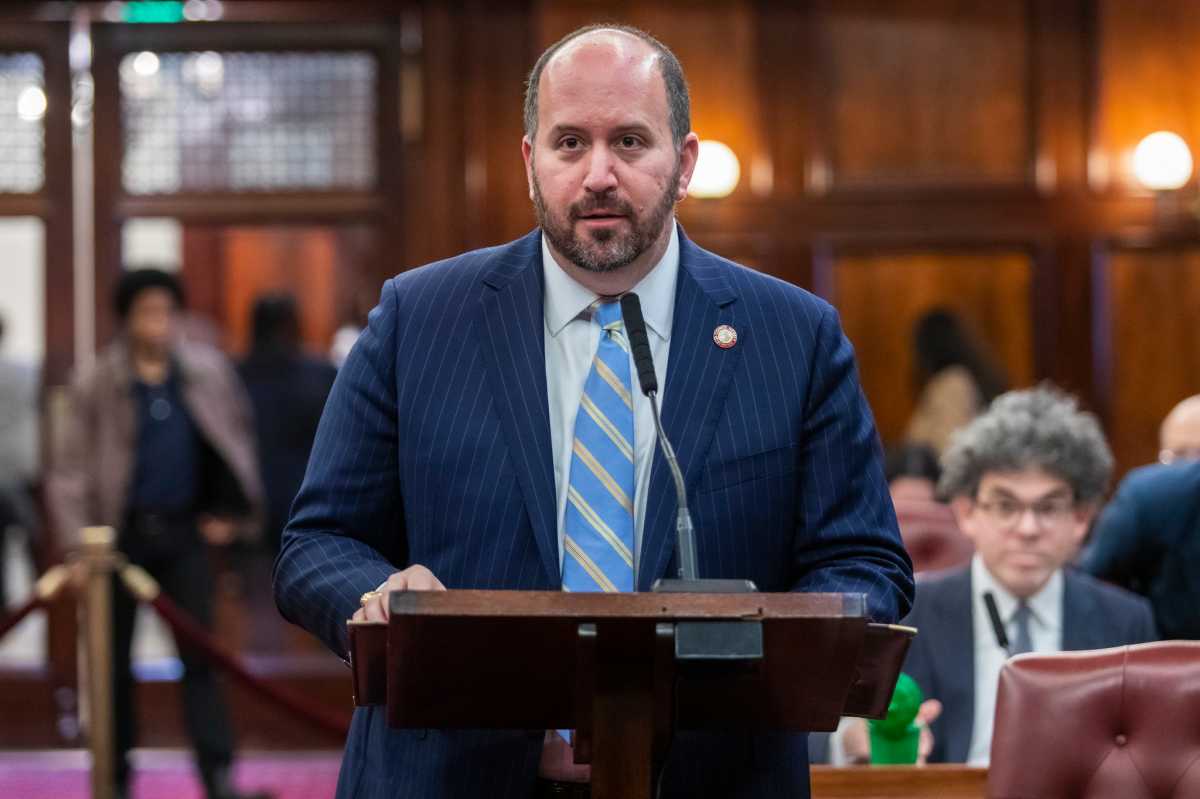
City Council Member Pierna Sanchez said this is why passing legislation like Intro 431-A, which would ensure vendors have access to business licenses, is important. As the child and granddaughter of street vendors, the issue resonates deeply with Sanchez.
Sanchez said 80% to 90% of street vendors today are unlicensed, meaning most have not interacted with the government to learn how to vend in New York City in an orderly manner. This, she said, has led to disorganization on city streets.
“We have a mess in many of our streets, especially on Canal Street, where a conservative influencer took videos and raised alarms,” Sanchez said. “Now our street vendors are facing a crackdown from ICE because the city is not regulating street vending and allowing these conditions to exist.”
Provisions in the Intro 431-A legislation include issuing licenses to bring existing vendors into the regulatory system, adding 2,000 new food vending permits and 2,100 general vendor licenses each year, removing language that would have lifted the cap entirely, and requiring stricter enforcement against bad actors.
“If New York City can fairly regulate street vending, we’ll see more order and fairness on our streets,” Sanchez said. “Doing away with the conditions that allow a conservative influencer to scapegoat our immigrants on the streets of the city.”
Locally, there is limited cooperation between the NYPD and ICE, except in cases of serious crimes. The city also provides legal and social services for families affected by ICE, according to Sanchez.
Community members also play a role in protecting street vendors, alerting each other to danger—much like the bystanders who resisted during the ICE raid on Canal Street.
Street vendors support the local economy and are a key part of what makes New York City unique. Despite the increased ICE presence in the city, street vendors continue working to make a living.
“You should question yourself, what is this street vendor going through that I’m not going through?” Sosa said. “And be nicer, be kinder, leave them a tip, or just shop with them.”