

Few New Yorkers knew the late Rev. Jesse Jackson, the civil rights leader who died early on Tuesday morning, quite like Rev. Al Sharpton.
The two ministers, turned champions of equality in America, forged a relationship that lasted more than 70 years as they continued the fight for justice inherited from great civil rights leaders, from Medgar Evers to Dr. Martin Luther King Jr.
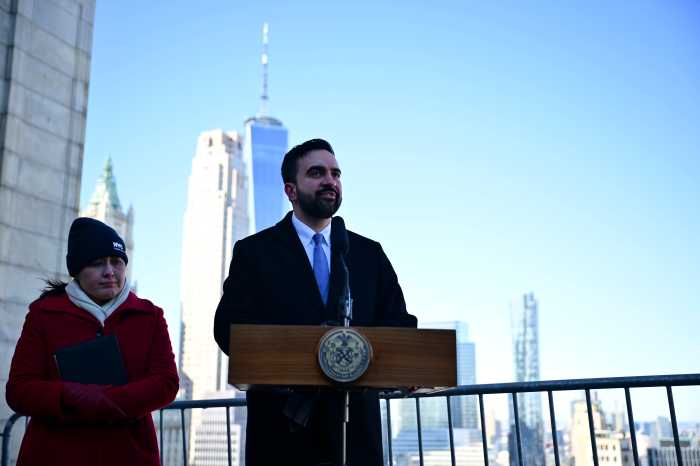
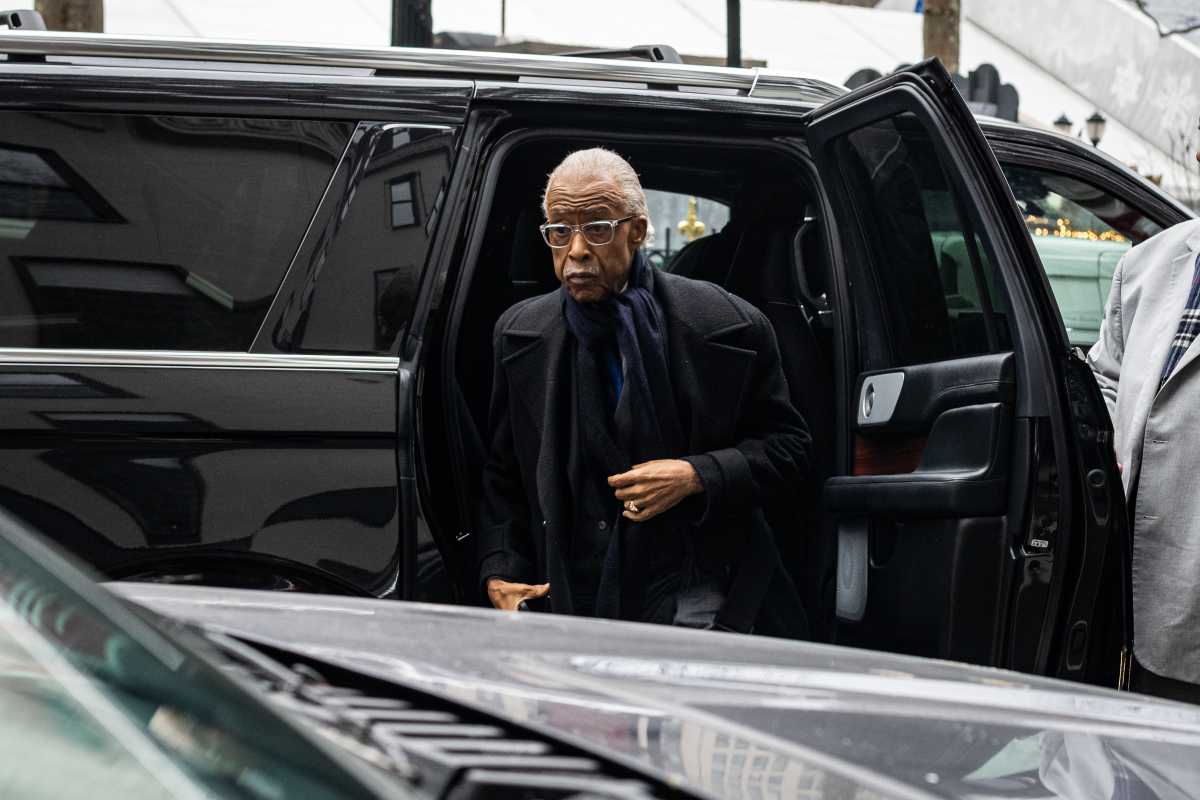
At a press conference Tuesday in Midtown, Sharpton mourned his longtime friend and mentor’s death at the age of 84, crediting Jackson as a consequential and transformative leader who changed the civil rights movement broadly, as well as New York and American politics.
“It was in 1984, when he ran for President, that he changed the rules that primaries were governed by,” Sharpton said. “It was Jesse changing [the rules] to proportional delegate representation is how Barack Obama was made the nominee. Hillary Clinton won more blue states… but he was able to accumulate more delegate votes. So [Jackson] literally changed the party moving forward.”
At a press conference, Sharpton described a phone call he received from Jackson’s son, Yusef, who put Sharpton on speakerphone so he could pray in private with the Jackson family.
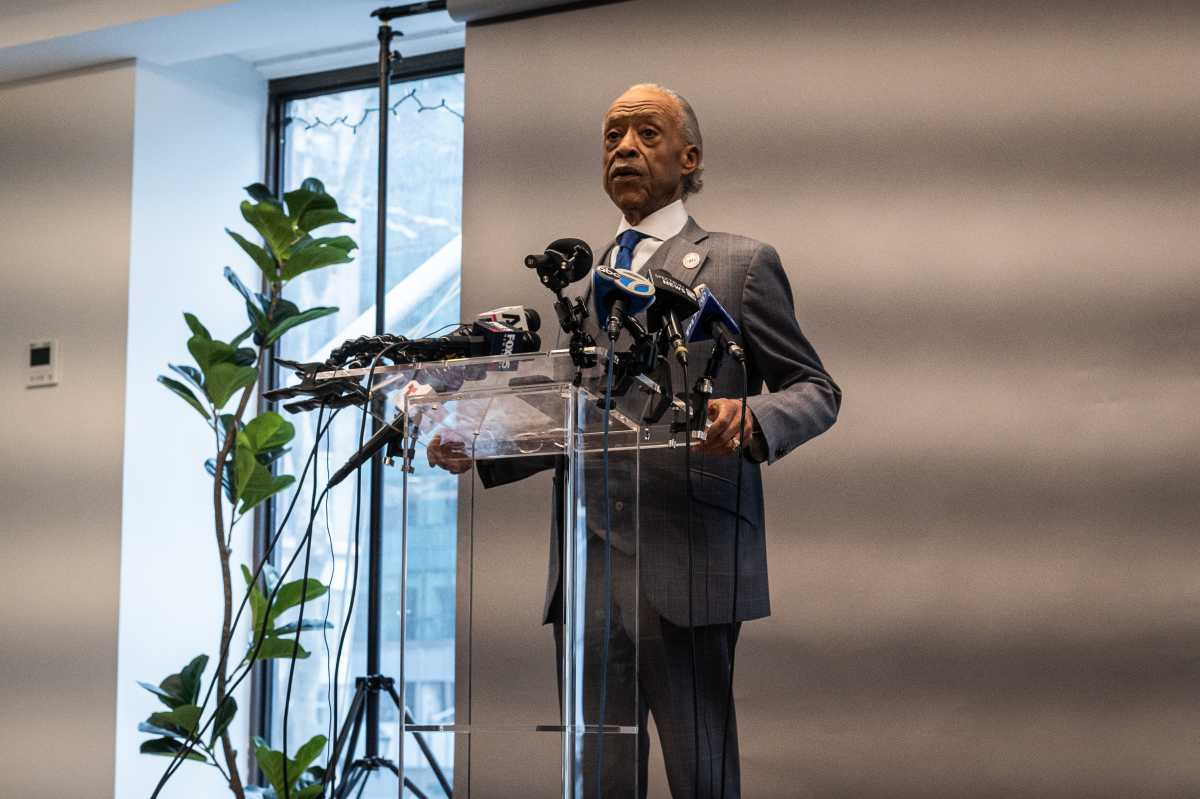
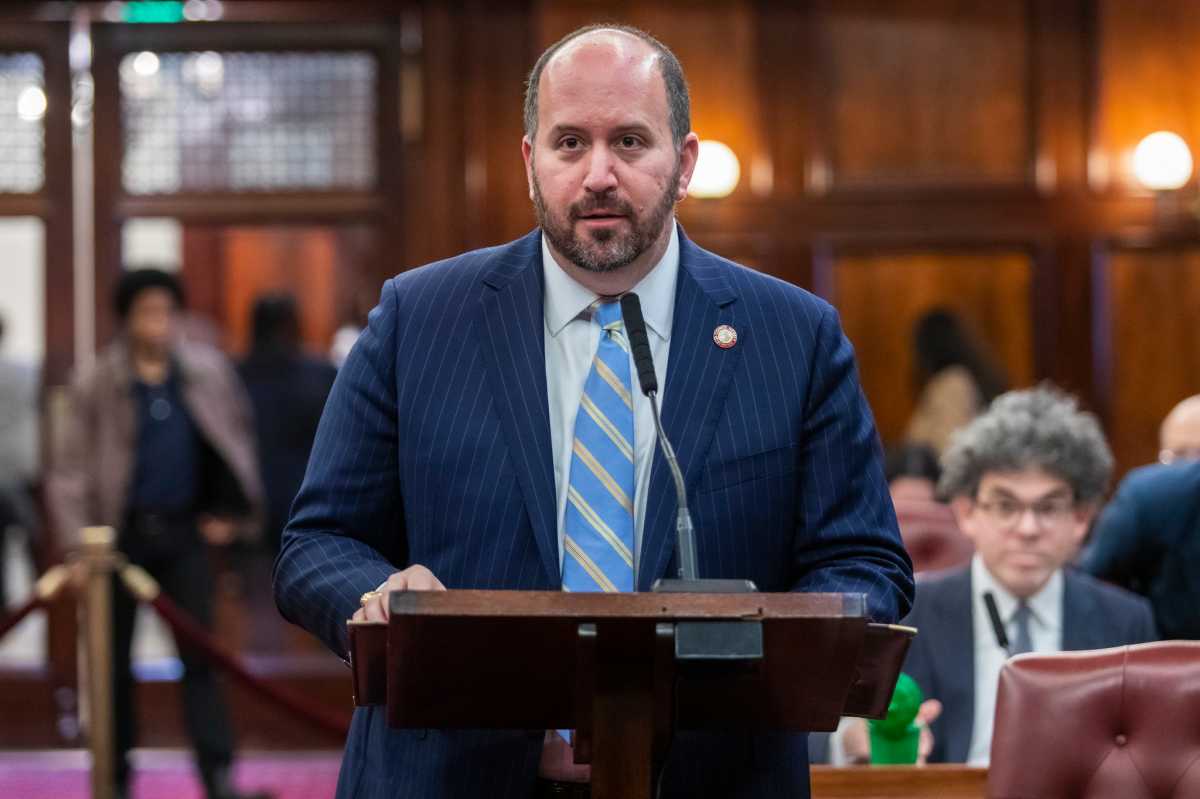
The two ministers, turned champions of equality in America, forged a relationship that lasted more than 70 years as they continued the fight for justice inherited from great civil rights leaders, from Medgar Evers to Dr. Martin Luther King Jr. Photo by Jonathan Portee
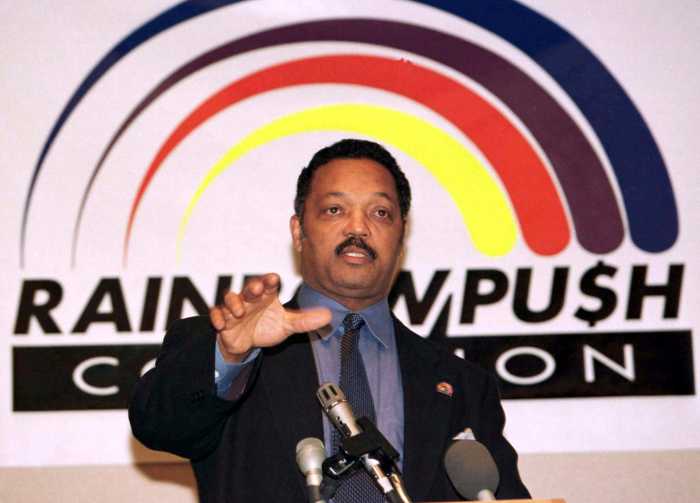
Sharpton, who had become interested in activism in his youth, met Jackson while working as a preacher at his local church. At age 13, he was appointed youth director of the Brooklyn branch of Operation Breadbasket, an organization founded by Dr. Martin Luther King Jr., led by Jackson, and the economic arm of the Southern Christian Leadership Conference, which focused on improving the economic conditions of Black communities across the U.S.
“He’s more responsible than anyone for teaching me activism,” Sharpton said.
Sharpton also credits Jackson’s 1988 presidential run with providing the momentum needed for former NYC Mayor David Dinkins to win his race just a year later.
“In ’88 [Jackson] ran again, got seven million votes and won the city of New York. He lost the state to Dukakis, but he won the city of New York which made us believe in ‘89 we could win,” Sharpton said. “David Dinkins became the mayor in ‘89 off Jackson votes.”
During his time as a leader of the civil rights movement, Jackson marched alongside prominent figures fighting for freedom and enfranchisement. He was so integral to the SCLC that on the day that Dr. King was assassinated, Jackson was there at his side, on the balcony of the Lorraine hotel in Memphis.
Knowing this, Sharpton made a point of noting that Jackson’s activism didn’t end in 1988, with his presidential campaign.
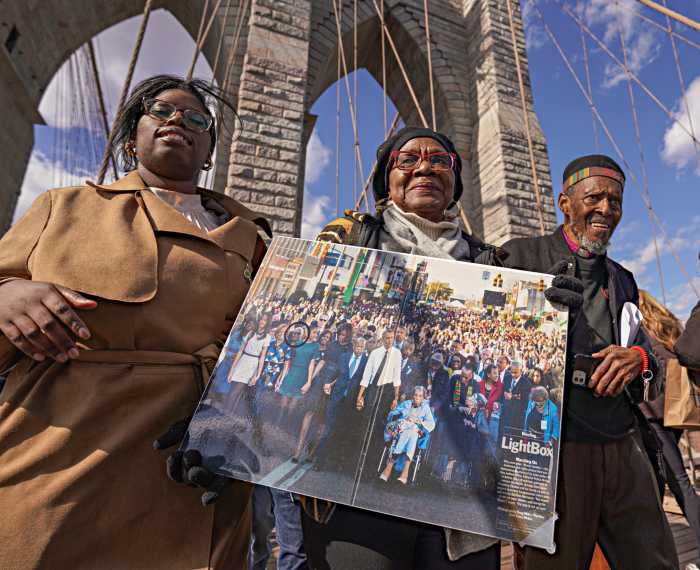
“He’s been there with us,” Sharpton said. “When we did George Floyd he was right there in the church, he was there with us for Trayvon Martin — he would never stop.”
Of Jackson’s passion and longevity in the fight for global equality, Sharpton recalls Jackson saying to him, “You gotta remember how Dr. King was only 39 years old… Medgar Evers was killed at 39 years old, Malcolm X was killed at 39 years old. We were never raised to be 40 years old. I woke up one day at 55, there’s no retirement plan for us.”