


The fare is going up again this Sunday.
Come Jan. 4, most New Yorkers will have to pay $3 for a single subway or bus ride, up from the current price of $2.90. Reduced fare rides will rise from $1.45 to $1.50, according to the MTA.
Express bus fares will go up from $7 to $7.25, while reduced fares during off-peak hours will climb from $3.50 to $3.60.
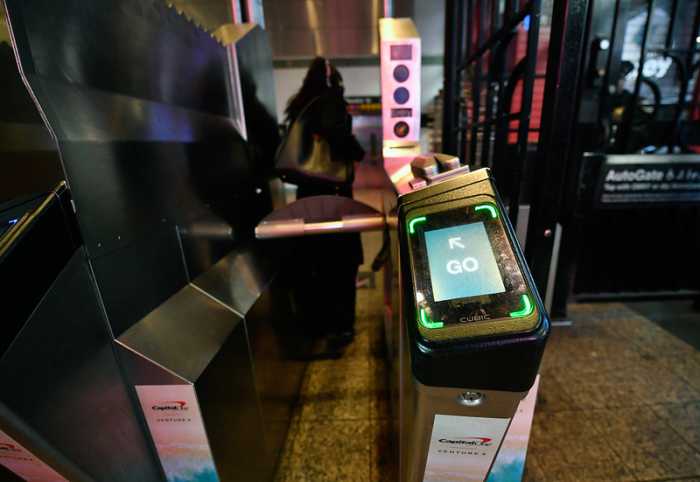
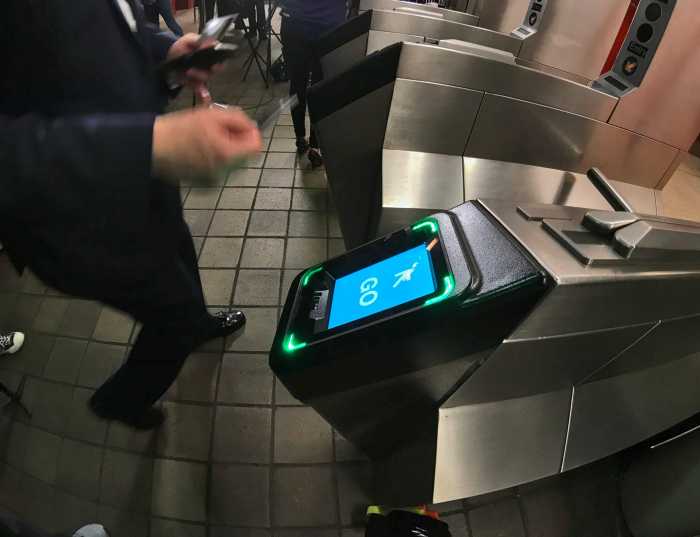
The increase, which was approved by the MTA board along with tolls on the agency’s bridges in late September, marks the first since the fare rose to $2.90 in August 2023. It was initially supposed to take effect last March, but was delayed to align with the agency’s full switch from the MetroCard to OMNY — its tap-and-pay system — at the start of the new year.
The MTA increases fares and tolls, which go toward the agency’s operating budget, every couple of years to keep pace with inflation, according to the agency.
With the fare hike, the MTA’s fare-capping system will make it so riders do not pay more than $35-a-week. Under the fare cap, riders who take 12 trips during a given week will get any additional rides within that period for free.
Reduced fare riders will not pay over $17.50 in a week.
The price for a new OMNY card, which the MTA says can last up to five years, will increase to $2. Previously, it had cost $1 for a new OMNY card or MetroCard.
For the Long Island Railroad and Metro North Railroad, monthly and weekly ticket prices will increase by 4.5%. The prices of all other ticket categories will rise by 8%.
The peak and off-peak prices for CityTicket, which allows riders to use the LIRR or Metro North within the five boroughs, will go up from $7 to $7.25 and $5 to $5.25, respectively. The same charge will apply to the Far Rockaway ticket.
Furthermore, those who buy tickets on one of the commuter rails will now have to pay an $8, rather than $2, surcharge.
Tolls on most MTA bridges will increase by 7.5% on MTA bridges and tunnels.
The MTA also has 4% fare hikes planned for both 2027 and 2029.