


Gov. Kathy Hochul announced on Tuesday that the Trump administration has released just over half of the $205 million in Gateway Tunnel funding it froze in October — but the rail project’s work stoppage will only end when the full amount is provided.
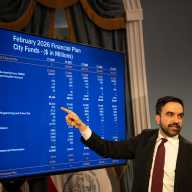
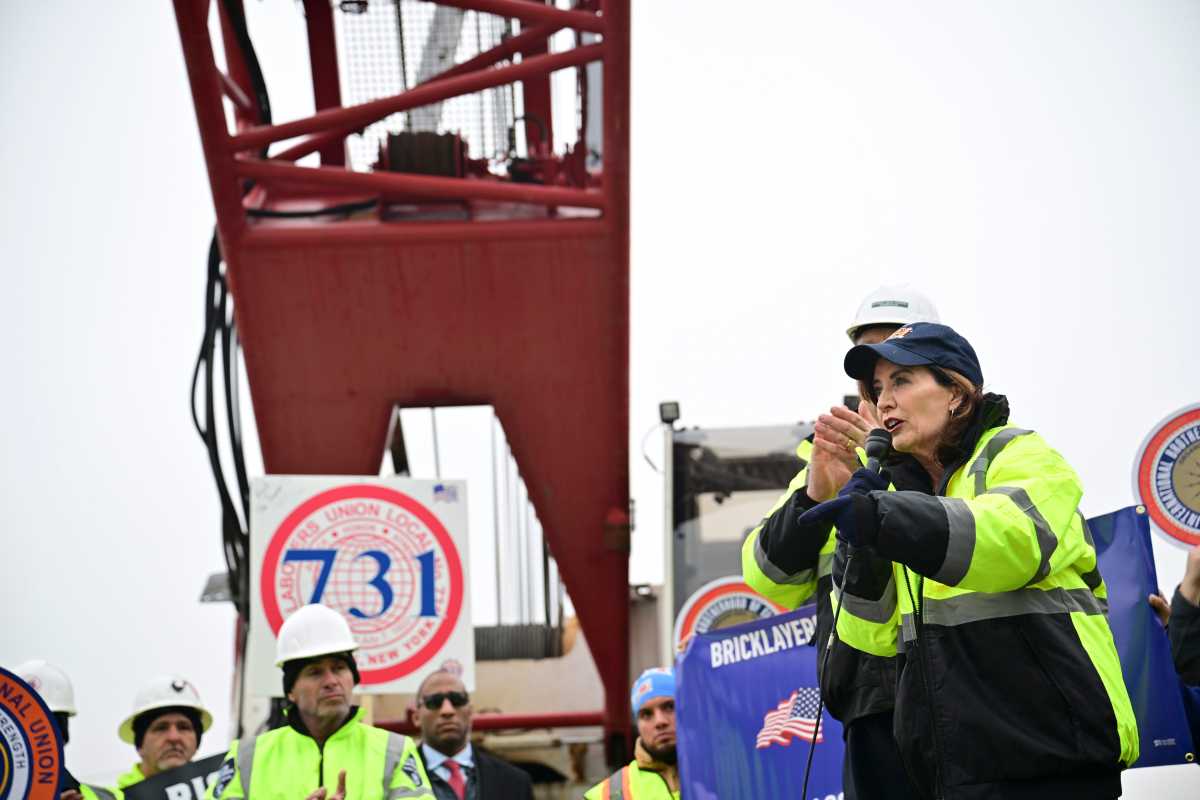
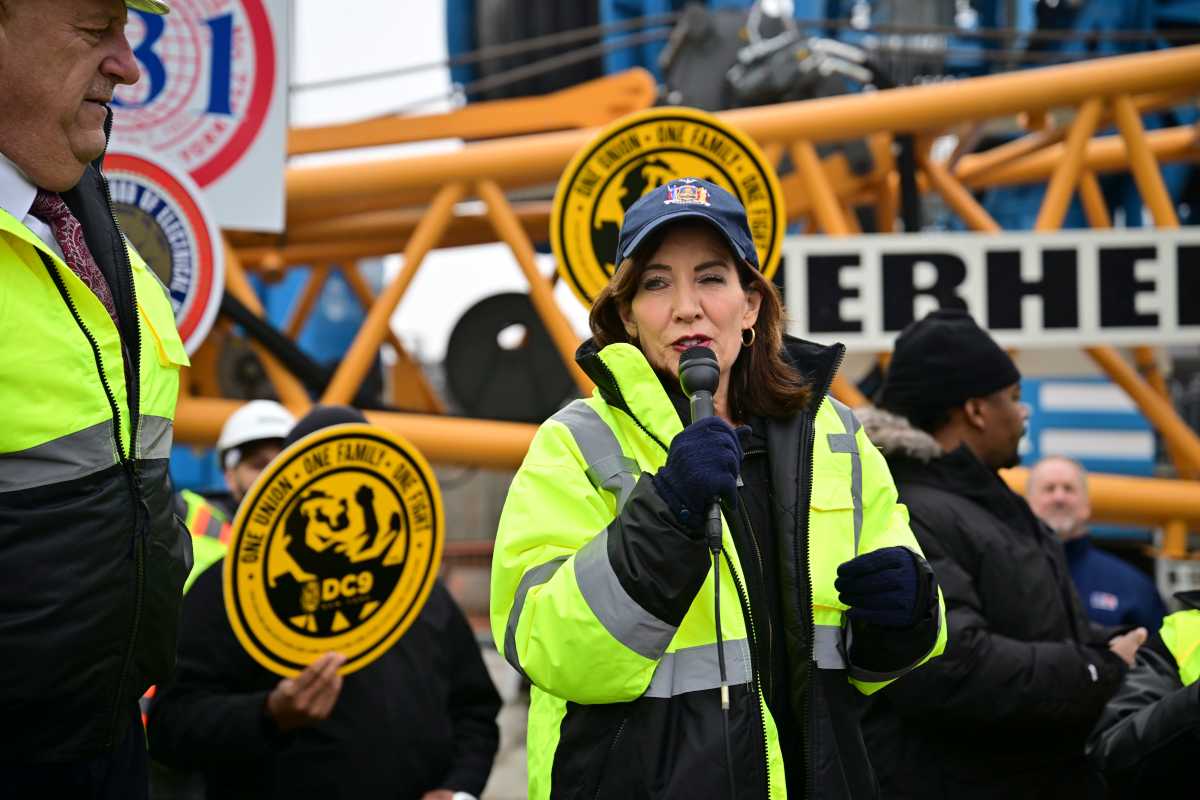
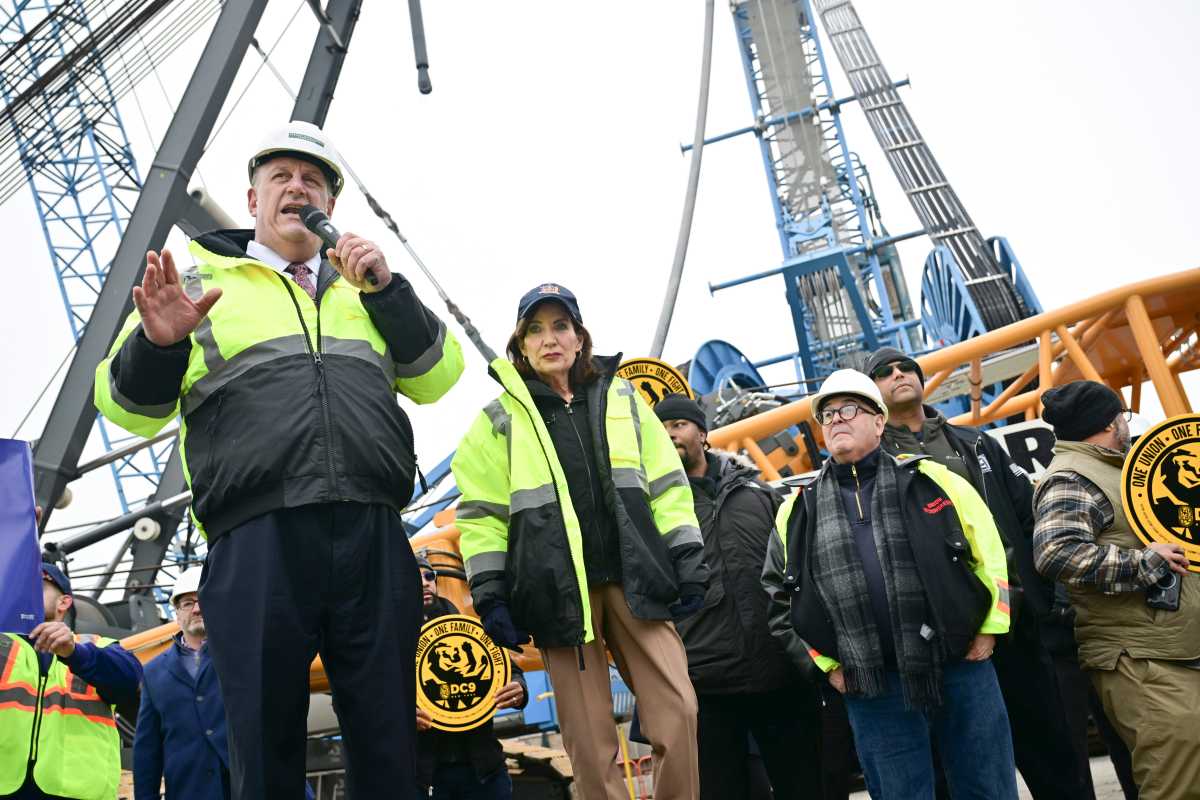
Hochul — gathered with construction workers at the Manhattan Gateway construction site on Feb. 17 — revealed that the Trump administration released another $77 million it had frozen last fall to the Gateway Development Commission (GDC), which is leading construction on the effort. The latest funding disbursement comes after the feds unfroze another $30 million on Friday night in response to an order from a Manhattan federal judge.
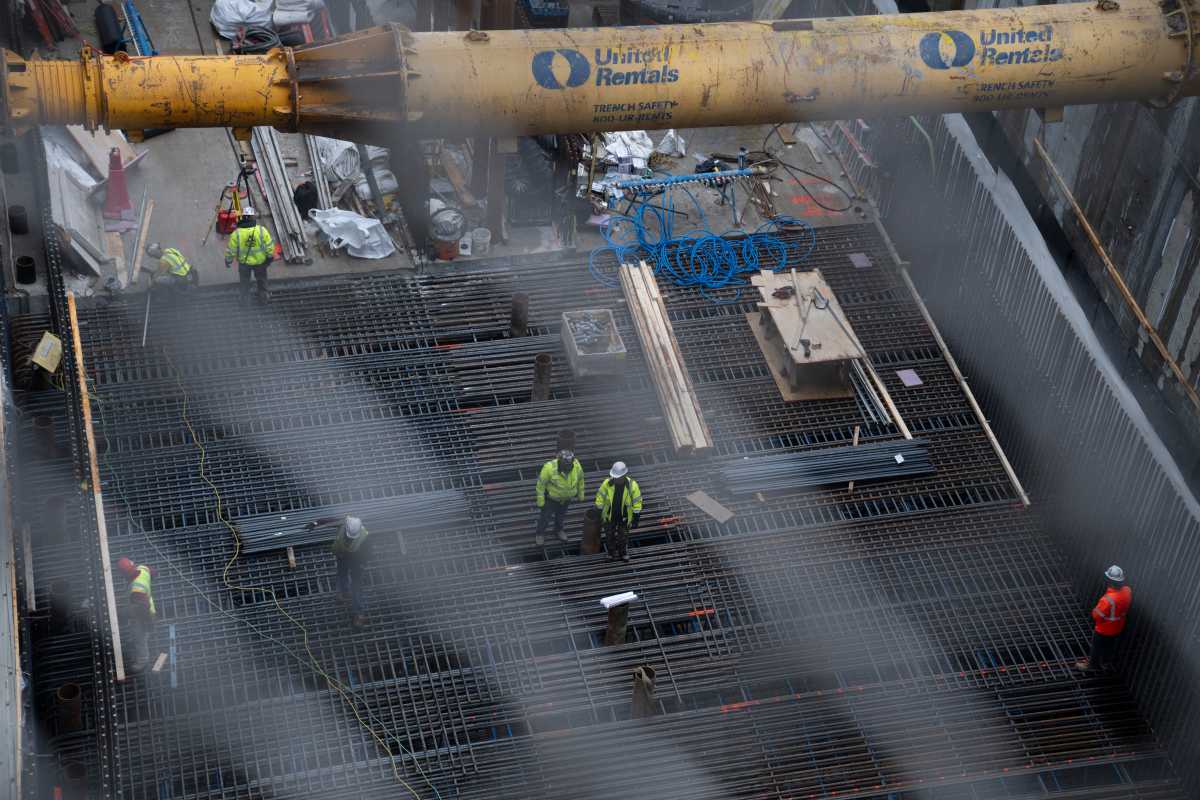
Although the feds’ release of the funds is a positive step, the governor said that Trump’s move to withhold them in the first place has sown chaos and confusion. That is especially true for the workers, whom Hochul noted have been off the job since construction halted on Feb. 6.
“We’re only halfway home, but it cannot continue like this,” Hochul said. “When you give us the full $200 million that you owe us, I don’t want to have this happen day after day, week after week, year after year.”
The judge in the case, U.S. District Judge Jeannette Vargas, ordered the Trump administration to release the funds on Feb. 6, following a suit from New York and New Jersey Attorneys General Letitia James and Jennifer Davenport, arguing they were frozen illegally. The feds cited a need to review the project’s compliance with new diversity, equity, and inclusion rules at the beginning of the last government shutdown in withholding the money.
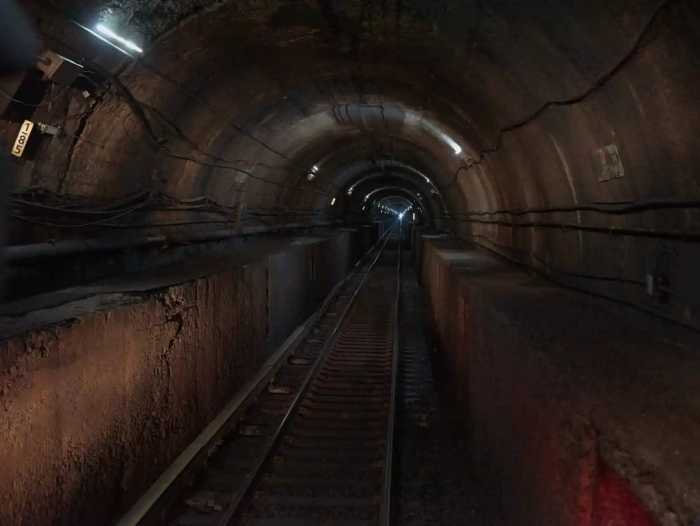
The Gateway project will replace a two-tube tunnel that allows hundreds of Amtrak and New Jersey Transit trains to travel between New York and New Jersey underneath the Hudson River each weekday. The undertaking is necessary because the 116-year-old tunnel is on the brink of collapse, following over a century of use and severe damage from Superstorm Sandy.
During the event, Hochul also said the GDC will not restart construction on the project until it receives the full tranche of $205 million — reimbursements for money it has already spent.
“That should be the trigger to get people back to work,” she said.
Hochul says Trump can’t be trusted with Gateway Tunnel funding
But the governor said she cannot fully trust the Trump administration going forward, given its actions to date — noting that the regime has only released any of the frozen funds because James and Davenport took the feds to court and secured a judge’s order for Trump to pay up.
“I’m always going to be a little nervous and have to stay on top of this and know that we can always go to the courts if necessary, because that’s what released the money,” Hochul said. “This was not out of the goodness of their heart that we’re seeing money come right now. I just want to be very clear about that. They’re doing it because they were ordered by a judge.”
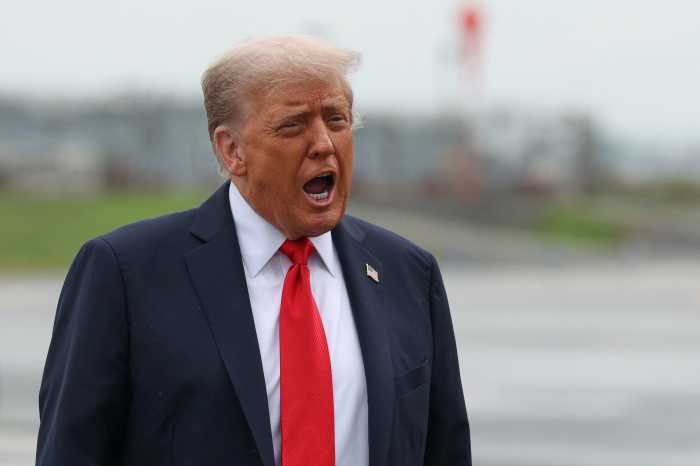
Hochul’s remarks come after Trump on Monday reasserted his opposition to the project, labeling it a “boondoggle” that will cost billions more than its $16 billion projected price tag. She said she challenged Trump’s claims directly to him during a Monday night phone call.
“I saw on Truth Social you were criticizing this project for being over budget and not on time, except it is [on budget and on time],” Hochul said.
Building and Construction Trades Council President Gary LaBarbera echoed Hochul’s concerns, stating that there needs to be “permanent funding” for Gateway going forward, so that construction can continue unabated.
“You can’t start a project, stop a project, start a project, stop a project,” LaBarbera said. “And you know what? As a builder, President Trump, you know this. You need certainty. You need continuity.”
Repeatedly stopping and restarting Gateway will dramatically raise its price tag, its proponents argue. At the same time, it will deprive the thousands of construction workers building the tunnel stable jobs, they say.
James Starace, the GDC’s chief of program delivery, said the work pause has squandered the project’s momentum.
“We had a good momentum on this program, with active construction on both sides of the river,” he said. “We lost that momentum, and that goes with the institutional knowledge that we had of the men and women from labor who were on these projects that are gone. Now we have to rebuild that and get that momentum back.”