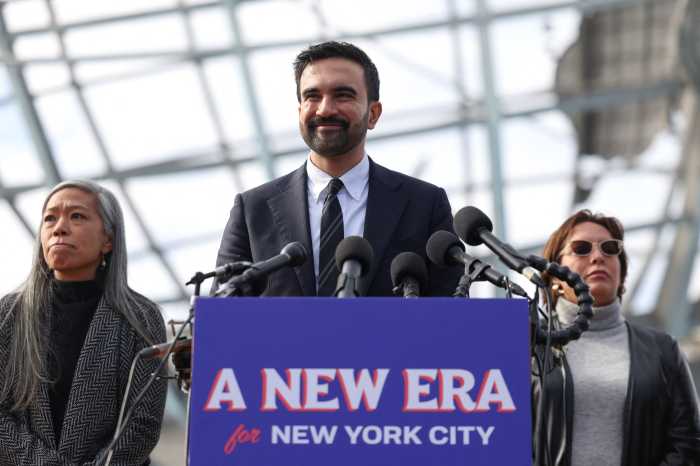



Mayor Zohran Mamdani appointed five new members and reappointed one to the city’s Rent Guidelines Board on Wednesday — a move that gives his selections a majority on the panel and moves him one step closer toward enacting the rent freeze that he promised while campaigning last year.
The nine-member board sets annual rent adjustments for the city’s rent-stabilized apartments, lofts, and single-room occupancy units. Mamdani, who made a rent freeze a cornerstone of his mayoral campaign, now holds a majority of the board’s appointments ahead of its June vote on new rent levels.
Chantella Mitchell will serve as chair, bringing experience as a program director at the New York Community Trust and in city housing policy. Sina Sinai, a senior research associate at the Jain Family Institute, Lauren Melodia, director of economic and fiscal policy at the Center for New York City Affairs at The New School, and Brandon Mancilla, Region 9A director of the United Auto Workers, were appointed as public representatives.
Maksim Wynn, director of development at Procida Development Group, was named the owner representative, and Adán Soltren, supervising attorney at the Legal Aid Society, was reappointed as a tenant representative. They join existing members Arpit Gupta, Christina Smyth, and Sagar Sharma.
The Rent Guidelines Board is expected to collect data and hear testimony this spring before voting on final rent adjustments in June. Any changes would apply to leases taking effect between Oct. 1, 2026, and Sept. 30, 2027.
In announcing the appointments, Mamdani did not mention his campaign pledge explicitly but said the new members bring experience that will “help us move closer to a fairer, more affordable New York.”
“I’m proud to appoint these housing, finance, and budget experts to fill the open seats on the Rent Guidelines Board. I’m confident that, under the leadership of Chantella Mitchell as chair, the board will take a clear-eyed look at the complex housing landscape and the realities facing our city’s two million rent-stabilized tenants, and help us move closer to a fairer, more affordable New York,” said Mamdani. “At a moment when so many families are struggling to stay in their homes, this work could not be more important.”
At an unrelated press conference on Wednesday, the mayor said he trusts that the RGB will consider all the factors facing the city’s rent-stabilized tenants and come to an “appropriate decision.”
Pressed on what an “appropriate decision” would be in his view, Mamdani said he continues to believe that the city’s rent-stabilized tenants deserve a rent freeze, but that he also understands that the RGB is an independent board, “and they will consider all of the evidence.”
RGB Chair Mitchell said she was honored and looking forward to “working with my fellow board members and the RGB staff to carry out the Board’s vital mission.”
Rent freeze debate defrosts
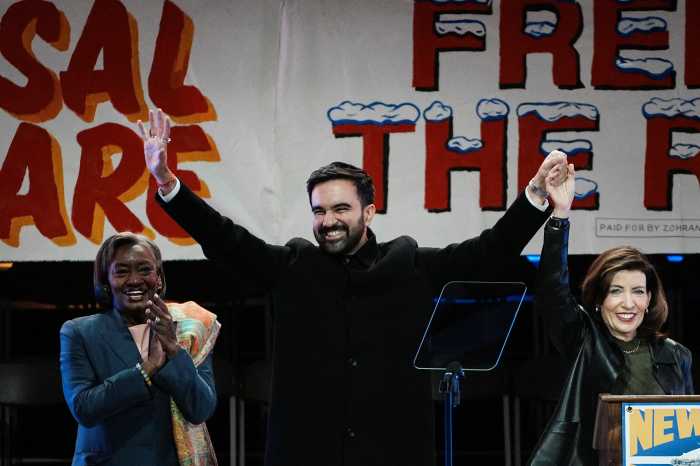
Mamdani was the first candidate in last year’s mayoral race to commit to a rent freeze, making it a cornerstone of his campaign platform. As part of his winning message on affordability, he repeatedly highlighted the financial pressures facing rent-stabilized tenants, arguing that millions of New Yorkers were being forced to choose between paying rent and covering basic living expenses.
Tenant groups embraced the pledge, framing it as a response to what they called years of unchecked rent increases, including the 12% cumulative hikes approved under the previous administration. Landlord groups, however, have argued that rising costs require higher rents to hold onto their buildings.
Following Wednesday morning’s announcement, tenant advocates quickly urged the new board to adopt a freeze now that Mamdani has stacked the deck.
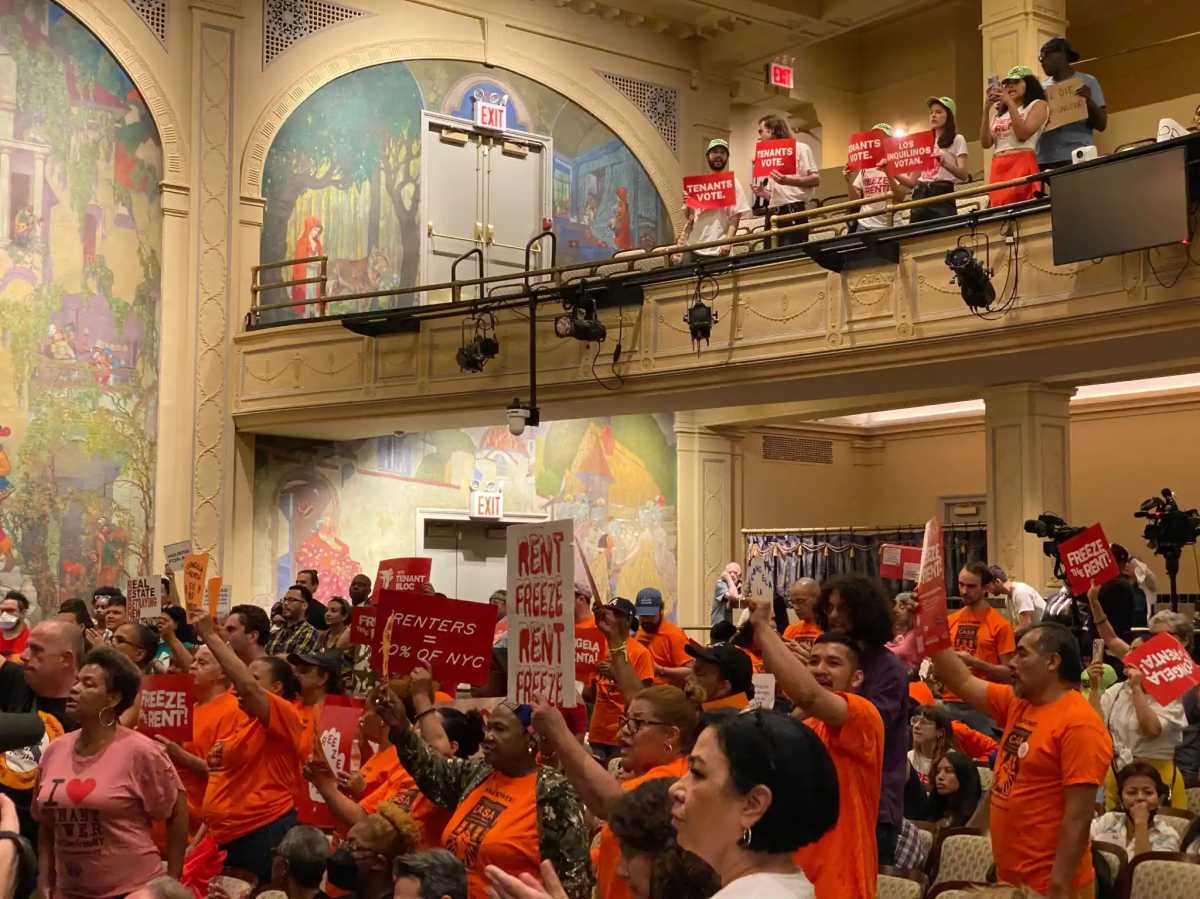
Sumathy Kumar, director of the New York State Tenant Bloc, said renters plan to mobilize at upcoming hearings.
“New York tenants are getting our rent freeze,” Kumar said in a statement. “Tenants are the majority in New York. We’ll be at the hearings in the thousands to fight for a rent freeze.”
The Legal Aid Society also welcomed Mamdani’s announcement and called for a freeze, saying it was “more vital than ever” to provide relief to rent-stabilized tenants.
“Anything less than an outright freeze at the final vote in June will have catastrophic consequences for an already vulnerable population of renters,” the organization said.
Property owners fear being burned by rent freeze
Landlord groups, however, warned that a freeze could worsen financial conditions for rent-stabilized buildings.
Kenny Burgos, CEO of the New York Apartment Association, said many properties are already under strain and that his group is prepared to take legal action if ideology is followed over fact.
“Data show that tens of thousands of rent-stabilized buildings are in severe fiscal distress,” Burgos said. “We believe the law requires RGB members to evaluate all relevant data and make a decision based on facts — not political ideology. If they choose to ignore the consensus view, then they will be opening up the process to legal scrutiny. Worse, they will be responsible for the deterioration and eventual destruction of thousands of rent-stabilized buildings.”
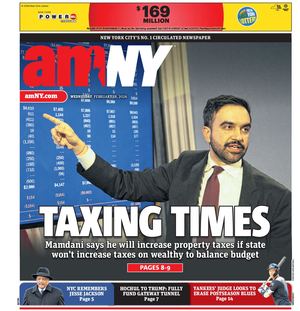
Ann Korchak, president of the Small Property Owners of New York, added that the mayor’s budget plans — including a potential 9.5% property tax increase — would further burden small landlords, particularly family-owned and immigrant-run properties. Mamdani said the city would adopt the property tax increase if Albany lawmakers refused to increase taxes on the rich and corporations, which he says would help the city balance the books.
“The Mayor said yesterday that his proposed 9.5% hike in property taxes is one of the few tools available to balance the city’s budget. He not only plans to hammer small property owners with increased property taxes, but also with his appointees giving him control over the RGB. He now wields the sledgehammer to enact a rent freeze on rent-stabilized apartments. This will drive the final nail in the coffin of mom-and-pop, generational, immigrant small property owners,” Korchak said, adding that the move also threatens “the city’s affordable housing infrastructure.”
Korchak also cautioned that tipping the scales politically could create legal challenges. “The RGB’s charter mandates a process independent of political influence and interference. Stacking the RGB with members who would potentially carry out his rent-freeze mandate would be a slippery legal slope for the Mayor and those RGB members,” she said.
At Wednesday’s press conference, the mayor said his administration is “working to lower costs for property owners across the city” and echoed his remarks at Tuesday’s preliminary budget announcement: “The question of raising property taxes is that of last resort, one that we are deeply hopeful of avoiding.”
The RGB sets annual increases for roughly 2.4 million rent-stabilized tenants and is scheduled to vote again in June 2026. Under former Mayor Eric Adams, the board approved rent increases each year, totaling about 12% over four years. During the administration of former Mayor Bill de Blasio, the board froze rents three times.
As his term ended, former Mayor Adams sought to influence the RGB by appointing his own candidates to block a rent freeze. Two of his nominees, however, chose to step aside, and one seat became vacant following a resignation on Tuesday, clearing the way for Mayor Mamdani to name a majority of the nine-member board