



New York City will close its last remaining emergency migrant shelter by the end of the year, according to a plan that the Mamdani administration released on Thursday.
The effort aims to unwind crisis-era shelter policies and bring the system back into compliance with right-to-shelter requirements and local laws.
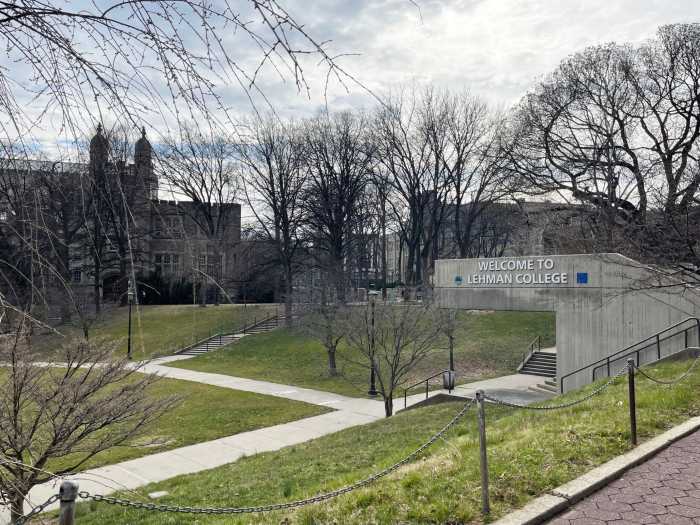
The facility, a Humanitarian Emergency Response and Relief Center (or HERRC), in the Bronx’s Mott Haven neighborhood, is the final shelter operating outside the traditional Department of Homeless Services system. In the face of community opposition, it opened in Feb. 2025 with a capacity for roughly 2,200 single adults and currently houses about 1,950 people, according to the city’s 45-day action plan.
Under the plan, all residents will be transitioned into standard DHS facilities by the end of calendar year 2026.
To close it, the administration plans a phased transition. That includes opening several new compliant shelters that were delayed under the previous administration and reallocating capacity within the existing system. As the number of families with children in shelters declines, the city plans to convert some hotel rooms currently used for families into beds for single adult men, timing those moves to minimize disruption.
City officials are framing the move as the formal end of the emergency shelter structure built during the height of the migrant influx. Beginning in 2022, the city opened 258 emergency shelters — including 18 HERRCs — to house more than 237,000 asylum seekers who sought shelter between spring 2022 and June 2025.
In January 2025, approximately 69,000 asylum seekers were in the city’s care. That number has since declined to roughly 30,000 as of February 2026. Overall, about 88,000 people remain in shelter citywide, according to City Hall.
The action plan also sets out how the city intends to restore compliance across the broader shelter system.
Local law caps most single adult shelters at 200 beds. During the peak of the migrant influx, several sites exceeded that limit. The city says it will immediately reduce capacity at sites marginally above 200 beds and bring three larger sites into compliance through reductions and relocations by the end of 2027.
For families with children, the city currently operates 112 commercial hotel sites serving approximately 11,486 shelter units and housing roughly 8,100 families. Hotels do not fully meet regulatory standards, particularly around access to cooking facilities. The city says it will expand compliant family shelter capacity, convert some hotels to permanent shelters where feasible and pursue census reduction strategies, including accelerating exits to permanent housing and strengthening prevention and diversion programs, to ease systemwide pressure.
In a joint statement, The Legal Aid Society and the Coalition for the Homeless said the city’s acknowledgment of its legal obligations under the right-to-shelter consent decree and local laws is “welcome,” but said additional details are needed.
“Too many people remain in shelters without real access to affordable housing,” the groups said. “If meaningful pathways to permanence and stability existed, the City would not need to keep moving people from shelter to shelter.”
The organizations urged the administration to use “all available tools” to reduce the shelter census and relieve capacity pressures, including fully utilizing CityFHEPS vouchers, expanding supportive housing placements and expediting the leasing of vacant NYCHA units. “Without maximizing these existing resources, compliance efforts will fall short,” the statement said.
They added that they are reviewing the proposed timeline for closing and consolidating sites and need more information about specific facilities under consideration to ensure the rights of unhoused New Yorkers — particularly people with disabilities — are protected.
“While this is a step in the right direction, many questions remain,” the groups said. “The City must be forthright and prompt in providing details, fully comply with its legal obligations, collaborate with stakeholders, and prioritize the well-being of those relying on the shelter system.”
Parallel jail reform effort
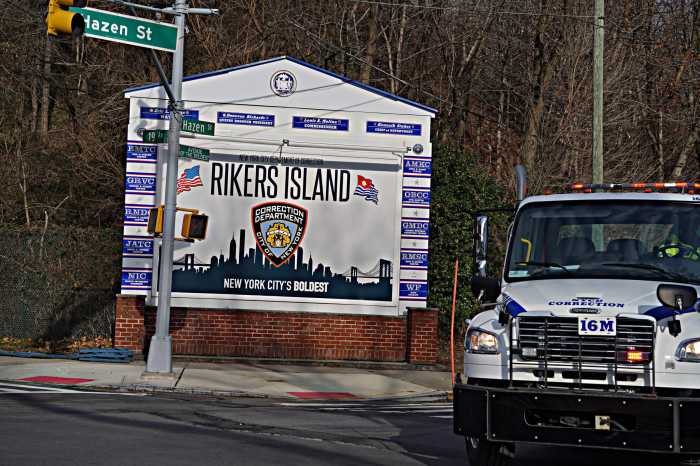
The shelter compliance plan was released alongside a separate implementation plan from the Department of Corrections aimed at ending a series of emergency executive orders that have governed operations on Rikers Island since 2021.
Former Mayor Bill de Blasio declared a state of emergency five years for the sprawling jail complex, which former Mayor Eric Adams extended every five days throughout his term. On Jan. 6, Mamdani too signed an executive order extending the long-running state of emergency, but unlike past extensions, set a Feb. 19 deadline for correction officials to come forward with a compliance plan.
That plan, released Thursday, outlines a structured process to lift or replace emergency suspensions affecting Board of Correction minimum standards, local laws and city rules. The goal is to restore compliance with standards set by the New York City Board of Correction and implement Local Law 42, a sweeping solitary confinement reform measure passed in 2023.
Among the key steps in the plan: Ending the authorization of 12-hour tours and alternative shift schedules for correction officers and returning to standard eight-hour tours; Formalizing pre-arraignment court security operations through a renewed memorandum of understanding with the NYPD; Developing a plan by 2027 to end the commingling of young adults and older incarcerated people; and addressing suspended provisions related to due process, restrictive housing, restraints and separation status, many of which intersect with Local Law 42.
The jail reforms are subject to consultation with a court-appointed monitor and a newly appointed remediation manager in the long-running Nunez case, and certain provisions of Local Law 42 remain under a temporary restraining order.
In a statement accompanying the release of the plans, Mamdani said, “For too long, city government allowed entrenched problems and operational breakdowns to persist. This plan shifts us away from temporary stopgaps and toward sustainable reform.”
Late last month, a federal judge appointed a former CIA officer to take the mayor’s place managing operations at the jail complex on Rikers Island, part of the decade-and-a-half-long prisoner civil rights case that has now played out over four mayoral administrations.
Chief U.S. District Judge Laura Swain announced in May 2025 that Rikers would be placed under federal receivership, stripping the city’s control of the notoriously violent and troubled facility, after years of discussing the possibility amid advocates’ calls for a federal takeover.
“At Mayor Mamdani’s direction, the Department of Correction and Law Department developed this plan to address long-standing issues in our jail system,” said Corporation Counsel Steve Banks. “We will begin implementing it in coordination with the remediation manager and, when required, with the approval of the remediation manager, the Monitor and the Court. Our goal is clear: achieve compliance with Board of Correction standards, implement Local Law 42, strengthen oversight and improve conditions at Rikers Island.”
“This plan marks an important next step in addressing issues that have festered for far too long,” said DOC Commissioner Stanley Richards. “Under Mayor Mamdani’s leadership, we are moving from crisis-driven operations to safe, sustainable jail management.”