

New York City has always been a beacon of creativity, a place where art, music, and culture shape the spirit of its people. From Broadway stages to street musicians, the city thrives on creative energy. So why don’t our public schools reflect this reality?
A recent New York Times article touched upon what many parents and educators already feel: recess, arts, movement, and collaboration are shrinking in schools, replaced by a narrow focus on scores and metrics. This isn’t just a local problem; it’s a national trend and it’s failing our students.
Too many children spend their school days caught in a relentless cycle of test preparation, drills, and anxiety. The joy of learning, the thrill of discovery, and the chance to express themselves have been pushed to the sidelines. Kids are missing out on what makes childhood — and education — rich and whole.
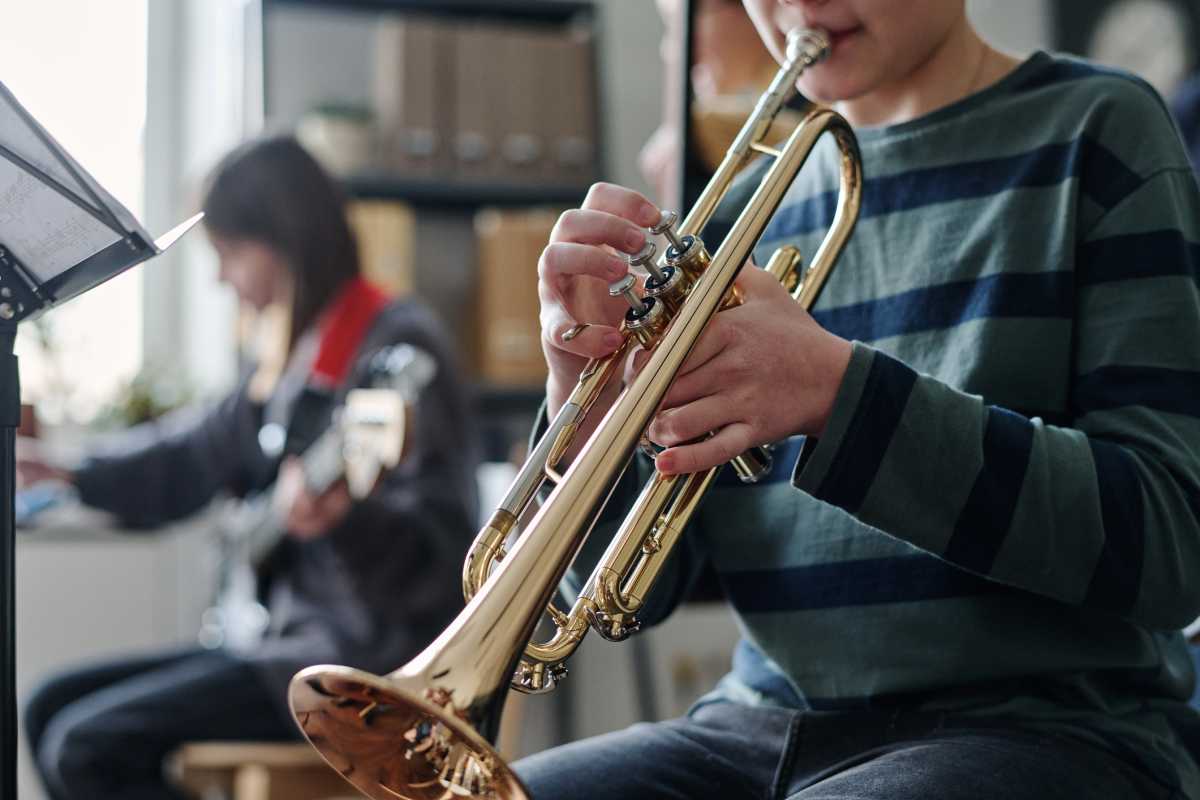
As a former music educator, I witnessed firsthand how music programs can transform the lives of students. While building a middle school band program from scratch in Brooklyn, I saw students who struggled to find their place suddenly have purpose, quiet children emerge as leaders, and families become more engaged in the school community. The program grew into an award-winning ensemble, but the transformation went far beyond the music room: the culture of the school shifted, expectations rose, and the school became a place where students felt seen and capable. I’ve since traveled around the country helping other teachers build similar programs and this pattern has emerged again and again: when music is part of the daily curriculum, children thrive. It’s clear that music education is not enrichment, but a foundational driver of student success.
Music education is not a luxury or a reward for the talented few. It’s a critical ingredient in building well-rounded, resilient children who are prepared for the challenges of the modern world.
When children engage deeply with music — whether they’re singing, playing instruments, or composing their own beats — they’re developing far more than musical skills. Research continues to show that students who are involved in sustained arts learning demonstrate stronger self-discipline, empathy, engagement, and collaboration, qualities that help them navigate both school and life.
And these skills don’t just help kids build better relationships or excel in music class; they translate directly to success in academics and eventually, in the workforce. A study of 110,000 public school students from grades 7 to 12 found that those who took school music courses earned significantly higher exam grades across English, math, and science, and were on average a full year ahead of their peers. Another study of nearly 5,000 elementary and middle school students across the U.S. showed that students in quality music programs scored 22% better in English and 20% better in math.
In a world increasingly shaped by artificial intelligence and rising mental health challenges, these uniquely human skills of creativity, adaptability, and emotional intelligence have become more valuable than ever. Music education cultivates these qualities in ways that test prep simply can’t.
We are at a pivotal moment across the country and in New York City in particular. New political leadership is setting the stage for education policy that could either double down on test-driven approaches or boldly redefine what success means in our schools.
This moment offers a chance to put creativity, collaboration, and the arts back at the heart of education — not as add-ons, but as essential elements of how children learn and grow.
It’s time for policymakers, school leaders, and communities to commit to making music education a fundamental right for every child, regardless of zip code or background. This means more than just funding instruments or after-school clubs. It means embedding consistent, high-quality music instruction into the school experience. It means investing in teacher training, materials, and long-term support. It means rethinking priorities to reflect what we know about how kids learn best.
New York City has the cultural capital, the talent, and the opportunity to lead this change. The question is whether we are willing to broaden our definition of educational success to value not only what can be measured on a test, but the development of confident, creative, resilient young people.
For our children’s future, the answer must be yes.