

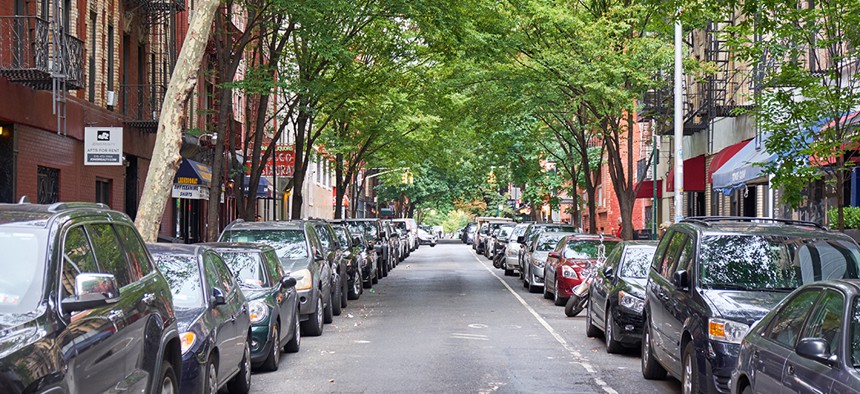
For years, New Yorkers have struggled under some of the nation’s most punishing car insurance rates. Full coverage in the Empire State currently averages $4,031 per year – nearly double the national average – while even bare-bones minimum coverage often tops $1,700.
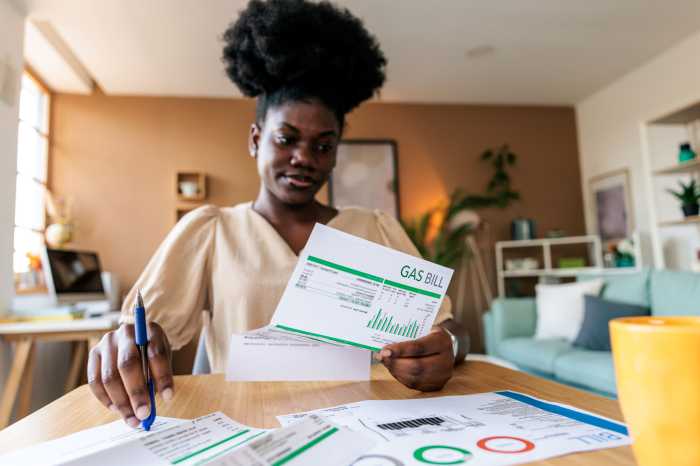
For working families, these premiums are more than just a line item in a spreadsheet; they are a source of chronic financial stress that dictates every other household decision, from paying rent to affordably stocking the pantry
Governor Kathy Hochul is aiming to disrupt this status quo. As a cornerstone of her State of the State agenda, she recently unveiled a sweeping legislative package designed to lower premiums and dismantle a system she describes as “broken and fundamentally unfair to hardworking New Yorkers.”
The proposals target the structural “hidden costs” that have historically bloated premiums: rampant insurance fraud, archaic legal standards, and a payout structure that fails to distinguish between responsible drivers and those who disregard the law.
“Car insurance rates are just too damn high, especially at a time when families are feeling squeezed by the rising cost of living,” Governor Hochul said during the announcement. “High rates don’t just impact the person behind the wheel – they ripple through our entire economy as businesses pass these expenses on to consumers. These reforms will crack down on bad actors, drive costs down, and put money back in the pockets of the people who earn it.”
A System Strained by Fraud and Legal Loopholes
The financial burden on New Yorkers is fueled largely by a “fraud tax” embedded in every policy. Organized crime rings frequently stage car accidents, while some unethical medical providers submit inflated or entirely fictitious insurance claims. Furthermore, New York’s current “no-fault” framework contains loopholes that allow drivers who are uninsured or flagrantly breaking the law to receive massive payouts.
Industry analysts estimate these systemic inefficiencies add hundreds of dollars to every single policyholder’s bill annually. The scale of the problem is staggering: in 2023, the state reported over 38,000 suspected incidents of auto insurance fraud, a record high that has pushed the system to its breaking point.
The Governor’s plan addresses these issues through a multi-pronged approach:
- Enhanced Enforcement: Increasing funding for specialized units to investigate and prosecute staged accidents.
- Legal Reform: Limiting massive payouts for drivers who were operating vehicles illegally or without their own insurance at the time of an incident.
- Modernizing Standards: Updating injury and fault definitions to reflect 21st-century safety data and legal precedents.
- Technology Incentives: Mandating discounts for drivers who use telematics or in-car safety monitoring to prove their safe driving habits.
- Increased Transparency: Requiring insurance providers to provide clearer justifications for rate hikes to the Department of Financial Services (DFS), ensuring that corporate profits aren’t being prioritized over consumer affordability.
Broad Coalitions Signal Support
Consumer advocates and industry leaders have rallied behind the Governor’s plan, framing it as an affordability and economic justice issue.
“Communities of color have been hit hard by sky-high auto insurance rates for years, paying far more than the national average for the same coverage,” said Rev. James A. Lewis, President of the Buffalo-Niagara National Action Network. “Governor Hochul’s proposal takes on the special interests that have profited from this broken system and delivers real relief to working families.”
For drivers in ride-share and for-hire vehicles, the stakes are high. A spokesperson for The Black Car Fund said that lowering premiums for law-abiding drivers would not only help them but passengers as well. “Cracking down on fraud and abuse will help bring down premiums for drivers who play by the rules, and that relief will flow directly to passengers through lower fares for black car, Uber, and Lyft trips,” he said.
Small business owners also feel the pinch of rising rates. John Park, a Queens resident and local store owner, explained the broader economic impact. “Every dollar overpaid for car insurance is a dollar not spent on groceries, rent, or education,” Park said. “Governor Hochul is finally confronting this broken system head-on.”
Why Reform Matters Now
Without intervention, New York’s insurance costs are projected to continue their upward trajectory, further out-pacing inflation and the regional growth of wages. By strengthening fraud investigations and holding lawbreaking drivers accountable, the Hochul administration seeks to create a predictable, transparent marketplace that attracts more insurers to the state, thereby increasing competition and further lowering costs.
The potential benefits extend far beyond the individual driver.
By lowering the cost of doing business and commuting, these reforms could serve as a vital economic stimulus for a state still navigating the complexities of a post-pandemic economy. Experts suggest that a significant reduction in premiums could pump millions of dollars back into local spending, supporting small businesses and stabilizing household budgets. For millions of New Yorkers, these changes represent the difference between car ownership being a tool for upward mobility or a fast track to debt.
For more information on efforts to lower New York car insurance rates, visit www.citizensforaffordablerates.com.