


In part 1 of this series, we discussed how, historically, conflict-related sexual violence was rarely treated as a prosecutable offense, and the evidentiary demands of international law were not built with conflict-related sexual violence (CRSV) realities in mind. The Dinah Project is hoping to fix this.
The chaos of modern warfare is prevalent, and many times the origins and purpose of CRSV get contested. These difficulties are compounded by attribution. Survivors often struggle to identify perpetrators for a myriad of reasons consistent with threats of further violence or attempts made by attackers to conceal identity and disorient survivors. The Dinah Project’s recent framework highlights how layered evidentiary approaches, which include unit location data, consistent modus operandi across regions, communications intercepts, and organizational structures can establish a higher level of liability even when individual attribution is not possible. Derivative liability better depicts the perpetration of CRSV as an endorsed strategic implementation.
CRSV-related proof also remains an evidentiary battle. Medical and forensic documentation is extremely challenging to obtain active conflict zones, where many survivors have either been murdered and mutilated, displaced, or avoidant of medical care due to severe trauma and stigma. Survivor testimony has been the spine of CRSV prosecutions, but reliance on single testimonies are impractical for most survivors facing severe trauma. Fragmented memory, delayed reporting, and narrative construction issues, despite being well-researched clinical responses, tend to invite credibility attacks, discouraging survivors from coming forward in testimony. Moreover, the stigma for men and boys, along with LGBTQ+ survivors adds another layer to the issue of stigmatization and shame. The dynamics for vulnerable persons must be accounted for.
The Dinah Project urges a fuller recalibration of criminal evidentiary paradigms, one that recognizes the nuance and chaos of conflict settings. When direct testimony is often compromised due to murder, trauma, the destruction of physical traces, circumstantial indicators can provide the framework necessary to construct events. Recurring patterns such as partially dressed bodies, bound, mutilated or positioned in certain ways, across multiple sites do not just corroborate survivor accounts, but highlight the systematic nature of the violence, and the ideological and operational directives that enabled it. The Dinah Report approach elevates circumstantial evidence as a structural lens through which intent, coordination, and joint liability can be inferred in a manner consistent with jurisprudence. When these recurring features are integrated with testimonial, digital and contextual data, a legally coherent portrait of CRSV as a deliberate component of the attack rather than an opportunistic motive can be proven.
Survivor sensitive procedure is an important aspect. Evidentiary quality is improved when interviews are trauma-informed, in-camera testimony is provided, as well as image and voice distortion and the implementation of support personnel. Expert testimony on trauma contextualizes perceived inconsistencies, and gender-competent investigative teams further enhance disclosure reliability. Jurisdictional considerations should also be taken into account. The ICC’s complementary role places primary responsibility on domestic courts, but many states lack the capacity to prosecute CRSV. Mapping available jurisdictional bases is imperative.
Narrative framing underpins all of this. When prosecutors center sexual violence as a tactic, used to terrorize, displace, and destroy communities, the family unit, or are motivated by gender, it strengthens war-crime arguments and counter the common framing of sexual violence as an incidental factor. Moreover, a narrative that is inclusive toward all victims strengthens and broadens the evidentiary base.
True accountability for CRSV requires doctrinal flexibility and methodological innovation. The integration of macro-level pattern evidence, trauma-informed procedures, and embracing modes of liability that reflect the organizational linkage of sexual violence can better align international criminal law with the lived realities of the conflict. The evolution sketched by the Dinah Report offers a promising new pathway to narrowing the justice gap.
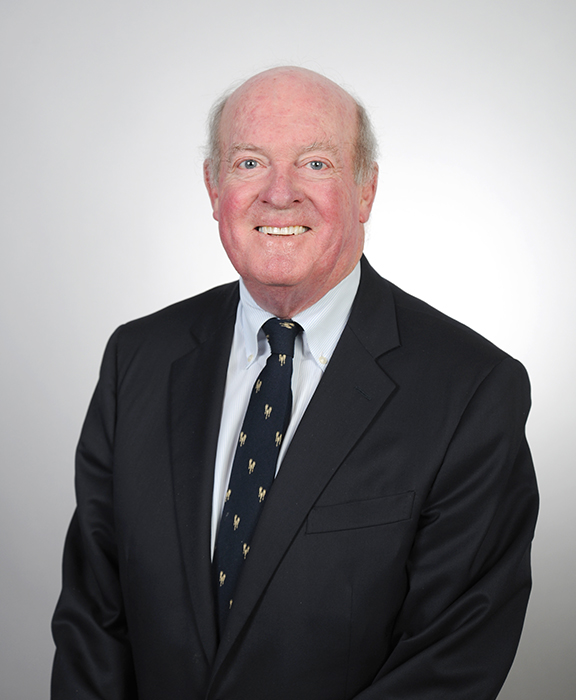
Arthur L. Aidala is the managing partner of Aidala, Bertuna and Kamins and a former Brooklyn prosecutor.
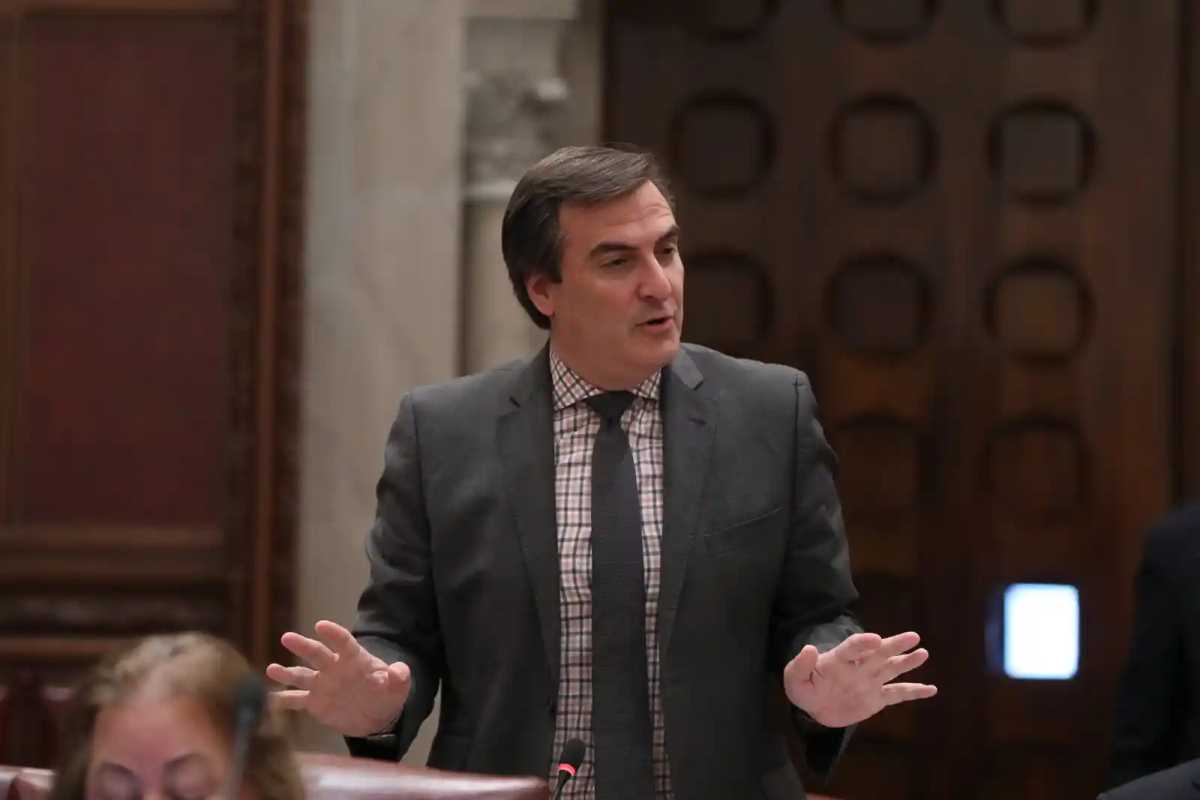
Michael Jaccarino is a partner at Aidala, Bertuna & Kamins.
Ava Rosenberg is a legal intern at Aidala, Bertuna & Kamins. She earned her bachelor of laws from Cardiff University and is currently pursuing her LLM.