


Bulgarian-born artist Houben RT drives a truth straight onto the canvas with ferocity, elegance, and unnerving precision.
Without question, this current moment has a single ruling element. The essential element of modern society is money. Certainly, greed fuels the engine, though in the end, it is currency that has come to define perceived worth, status, and legitimacy.
Houben’s paintings do not observe this system. They expose it. They read like illuminated manuscripts for a financial age, where value has replaced virtue and denomination has replaced dignity.
Born in Kardzhali, classically trained at the National Academy of Art in Sofia, and forged in the radical experimental atmosphere orbiting the XXL circle, Houben carries both old-world rigor and conceptual firepower. His early performances and video interventions dissected post-communist transition, institutional decay, and imported spectacle with biting satire.
In 2000, upon his arrival in New York, the vision crystallized. A city producing finance rather than objects became his subject. Like the great history painters who recorded the true seat of power in their era, he followed the money without flinching.
To be clear, this is not Pop nostalgia. This is post-Pop indictment. Where Warhol mirrored consumer appetite, Houben confronts monetary theology. The fetish object has evolved into the pricing mechanism itself, and the logo has become the ledger.
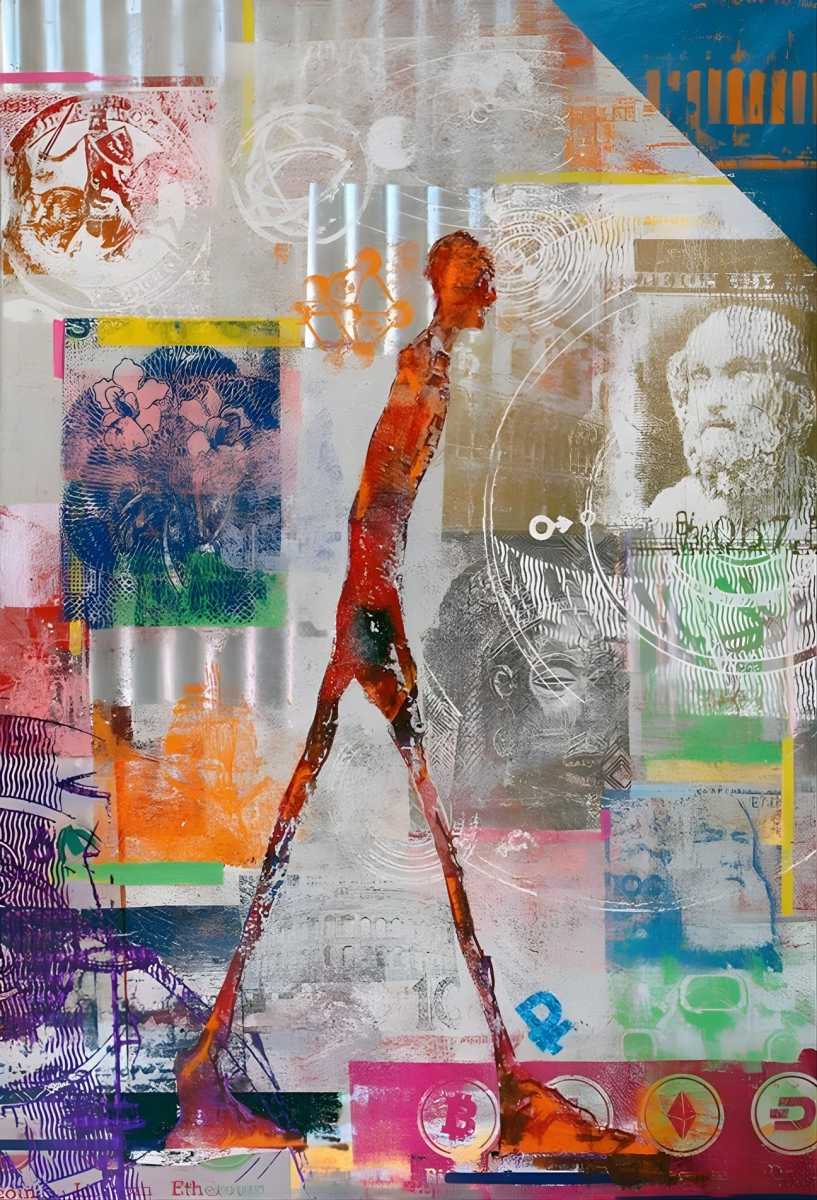
His compositions operate like contemporary vanitas paintings, replacing skulls and extinguished candles with treasury seals, numerals, and sovereign faces. Mortality once marked the boundary of the soul. Today, valuation marks the boundary of the self.
What remains most astonishing is his strategy of reversal. Banknote portraits engineered for endless duplication are forced back into singular authorship through heat transfer, metallic leaf, and muscular acrylic architecture. Icons of circulation are arrested and made sovereign again. Mechanical authority yields to the human hand.
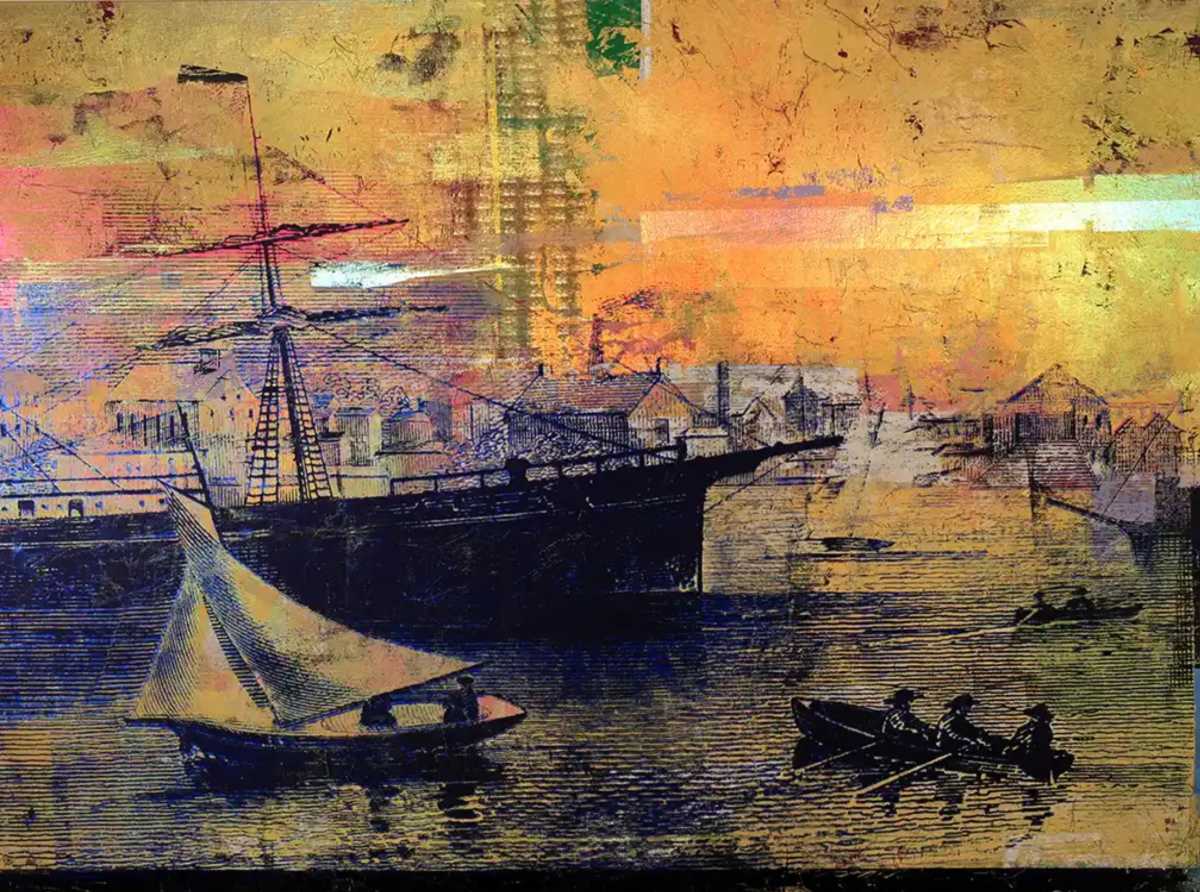
One featured work brings this brilliance into sharp context: his treatment of the 19th-century North Carolina $5 Raleigh state-issued note, part of the obsolete pre-centralized banking era. These historic notes often carried intricate maritime and harbor vignettes meant to convey commerce, security, and trust, even for an inland city symbolically tied to coastal trade routes.
In Houben’s vision, the scene transforms into a dream of the open sea, boats suspended at sunset, commerce dissolving into poetry. Currency becomes atmosphere. Trust becomes horizon. The note stops functioning as paper and begins functioning as myth.
A devotional current hums beneath the surface. Gold and silver skins recall the memory of the Orthodox Church, the gilded ceilings, the incense-heavy narthex, the radiance that signals presence rather than decoration. His works, though subtly critical, are bathed in Byzantine splendor. Fiscal emblems replace saints without lowering the intensity of reverence. The implication lands clean and sharp. Every civilization reveals its gods through what it frames in gold. Ours prints them.
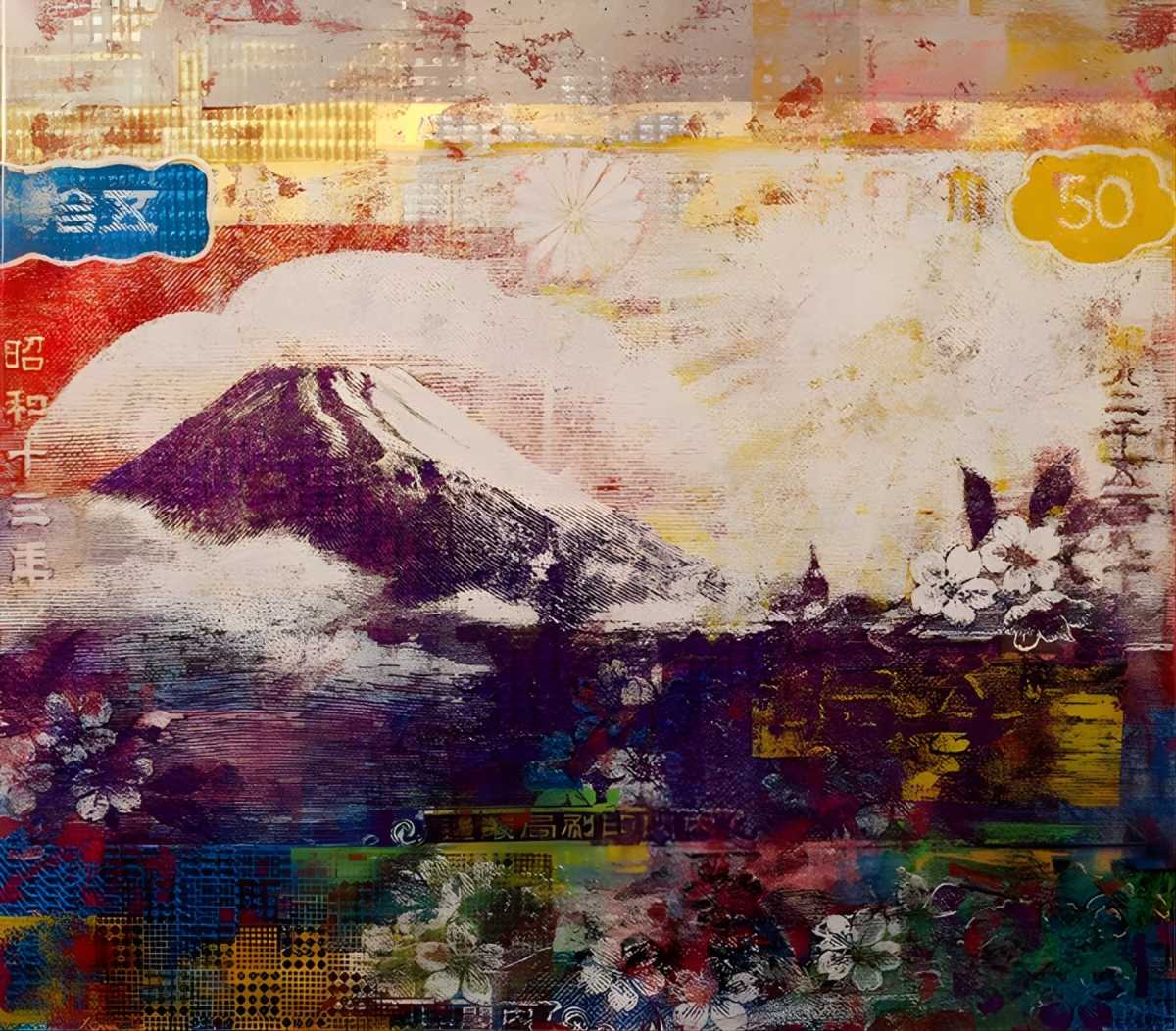
Refusing sentimental claims about art rescuing politics, Houben acts as a mirror rather than a preacher. By his estimation, painting clarifies and reveals; painting does not campaign.
That refusal gives the work its spine. These panels function like cultural X-rays, exposing the skeletal structure beneath today’s optimism theater and innovation slogans. His fixation on currency traces back to the Bulgarian banking collapse of the 1990s, when value evaporated through bureaucratic arithmetic and belief proved terrifyingly fragile.
It should come as no surprise that he is acclaimed widely. Critics have described his output as a treasury of global symbols, excavating the psychological charge embedded in monetary imagery and exposing its contradictions.
Intensity alone would suffice. His temperament adds voltage. Alongside classical draftsmanship stands a distinctly Eastern European humor that is razor-dry, brash, unsentimental, and disarmingly charming. He skewers inflated theory, speculative frenzy, and institutional vanity with perfectly timed bluntness. In that light, severity becomes wit, and the smile lands exactly where the critique cuts deepest.
His body of work is a sustained argument, not a seasonal gesture. He does not manufacture myths. He reveals the ones currently running the world and does so in gilded grandeur and beauty.
His works are available through DTR Modern Gallery in SoHo and across its global platform, where these monetary icons enter serious international collections. An upcoming presentation will also unfold at Madera Surfaces in Union Square, the elevated Belgian wood house whose architectural refinement offers a fitting stage for his radiant, authority-charged panels.
View the work in person and experience the argument for yourself. For more information on Houben’s work, visit dtrmodern.com.