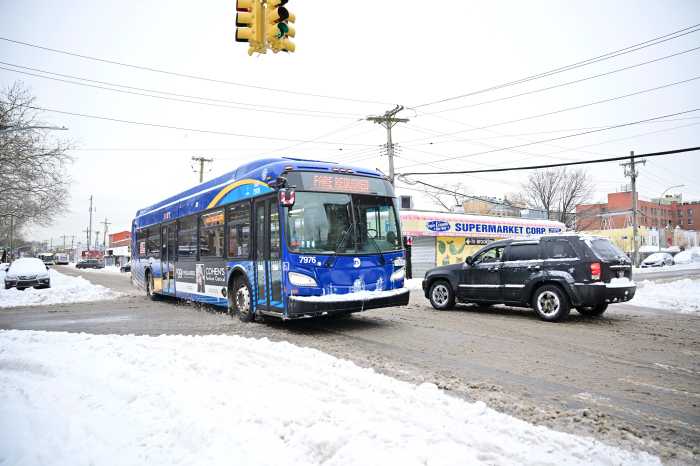


New York ought to focus on vastly expanding the subway system rather than investing in fare-free buses, a group of policy experts argues in a new report.
The report, titled A Better Billion, the NYU Marron Institute’s Transit Costs Project, makes the case to Mayor Zohran Mamdani that filling out many empty patches of the MTA subway map would be a far better use of the estimated $1 billion-a-year it would take to fund his proposal to eliminate fares on city buses.
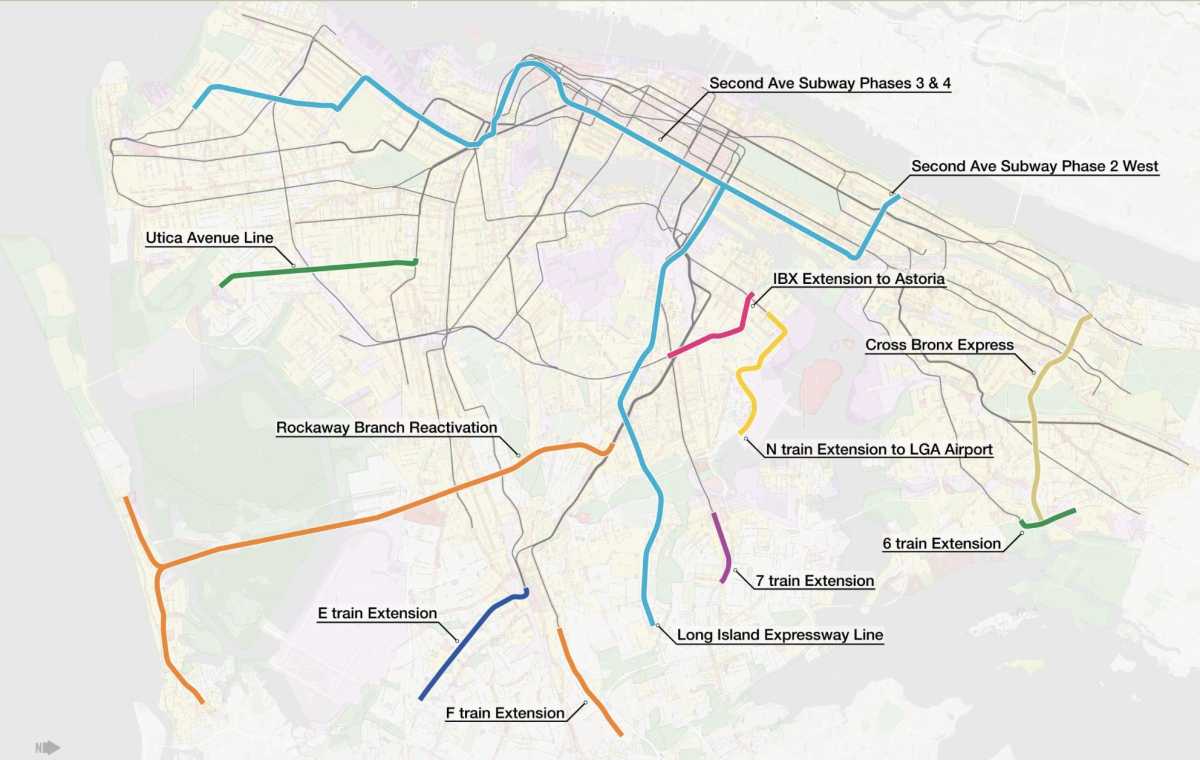
It presents a vision for 12 separate projects that would extend the subway by 41 miles and add 64 new stations in every borough except Staten Island. The proposed new lines would eliminate current transit deserts, such as parts of southern Brooklyn, Manhattan’s East Side, eastern Queens, and east-west connections in the Bronx.
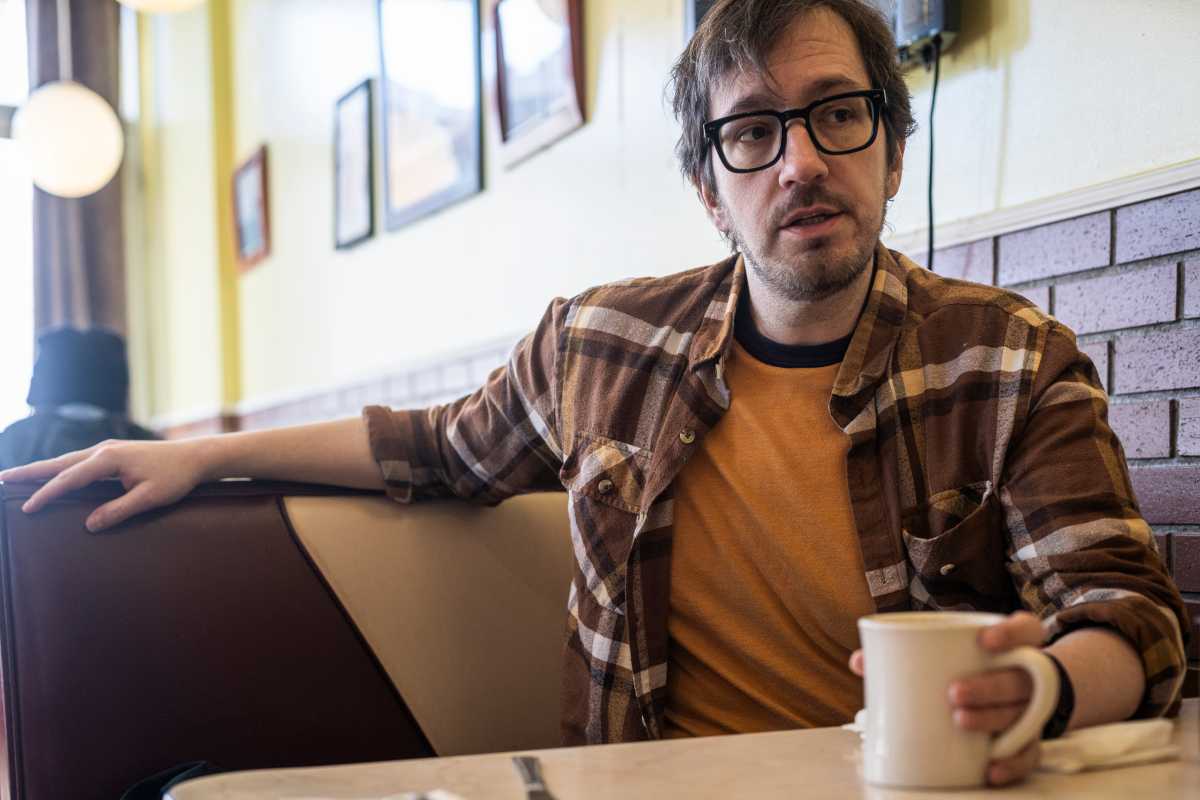
Eric Goldwyn, the report’s lead author and a member of Mamdani’s transition committee, told amNewYork that the plan is in line with Mamdani’s frequently stated wish to enact big, sweeping changes through government.
“During Mamdani’s inauguration, he talked about the desire for audacious and expansive plans, and he has spent a lot of time saying that he’s tired of people thinking that government can’t do big things,” Goldwyn said. “I think this honors that more than free buses do.”
The authors contend that expanding the subway could also encourage the development of 167,064 new housing units along the new lines, advancing Mamdani’s proposal to build 200,000 new affordable housing units.
“Transportation and land use are complementary things, and free buses and housing don’t really fit together,” Goldwyn said. “So I thought this is a much better, more integrated approach to the housing and transit issues than Mamdani had.”
Mamdani spokesperson Matt Rauschenbach, in a statement, said the mayor “campaigned on making the slowest buses in the country fast and free, and he intends to keep that promise.”
“He understands that working New Yorkers need affordable options to get to work, visit friends and family, and explore the city that we all love,” Rauschenbach added. “He looks forward to working with the governor and MTA to get his fast and free bus proposal done and exploring other ways to give working people a bit of relief during their commutes.”
How to build 45 miles of new subway lines on $1 billion a year
Under the $48 billion proposal, the MTA would split the $1 billion a year into $850 million to advance the 12 projects and $150 million to continue making more stations accessible in compliance with the Americans with Disabilities Act.
The state would ultimately spend $32 billion on the project with the other $14 billion anticipated to come from federal New Start grant funding.
The most notable expansions proposed in the report include extending the 5 line down Brooklyn’s Utica Avenue to Marine Park, building out the Second Avenue Subway from Broadway and 125th Street accross Broadway and all the way down Manhattan’s East Side, and adding a new cross-Bronx light rail along the current Bx12 bus route.
Among the others is the “Queens Link” project to connect the Queens Boulevard M train to the Rockaway Peninsula via the Long Island Rail Road’s old Rockaway Beach Branch tracks, which were last utilized more than 60 years ago. Former President Joe Biden’s administration allocated $117 million in 2024 to have the former Rockaway Beach line transformed into a public park — funding President Trump’s administration subsequently clawed back last year.
Another plan would involve creating a new line that would use part of the LIRR main line and the Long Island Expressway to expand train service eastward to Fresh Meadows, Queens.
The report organizes the projects into four phases, one for each decade of the plan, which they chose based on a variety of criteria.
“We selected projects based on the need for subway infrastructure (i.e., addressing existing subway deserts), historic and current project proposals, existing transit ridership, and housing development potential,” the report reads.
Each decade of the proposal is helmed by a “flagship project”: the Utica Avenue line in the first decade, the LIE line in the second, the Second Avenue expansion in the third, and the cross-town Bronx addition in the fourth.
“These four projects will be the most expensive investments, represent the largest service expansions, and have the potential to be the most transformative projects in each decade,” the report reads.
However, Mamdani’s free bus plan is dependent on buy-in and funding from Gov. Kathy Hochul, the state legislature, and the MTA. In effect, that means the decision to pursue the proposed subway expansion would likely be left to those in Albany as well.
Goldwyn said the plan assumes $1 billion in state funding per year will be available.
The group’s overall $48 billion proposal also assumes $14 billion in federal New Start grant funding — dollars that could be extremely difficult to secure in the next few years, given President Trump’s proclivity to freeze funding for other transit-related infrastructure projects.
Goldwyn said they wrote the report anticipating about half of the federal funding that usually gets awarded under New Start — a 30% rather than a 60% match.
“I don’t think in the immediate term, this administration is going to provide a lot of federal funding,” he said. “We tried to be on the conservative side of our estimates for federal funding.”