


When a tenant faces eviction, a parent risks losing custody, or a defendant’s liberty hangs on a bail decision, the presiding judge is rarely a household name. Yet these judges hold exceptional influence over the most vulnerable moments of New Yorkers’ lives, the city’s democracy and public confidence in its justice system.
On June 23, New Yorkers will vote in party primaries for Congress, State Senate and State Assembly. But attention should also fall on down-ballot judicial races, where candidates vie for judgeships that shape the city’s governance and civic authority.
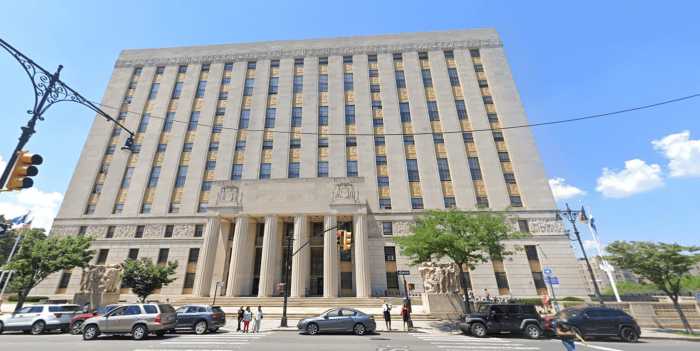
New York City has two types of elected trial judges: Civil Court judges and Surrogate’s Court judges. Civil Court judges are the backbone of the city’s trial-level justice system. They serve 10-year terms and are assigned by administrative judges to Civil Court, Criminal Court or Family Court — courts that differ profoundly in subject matter and consequence.
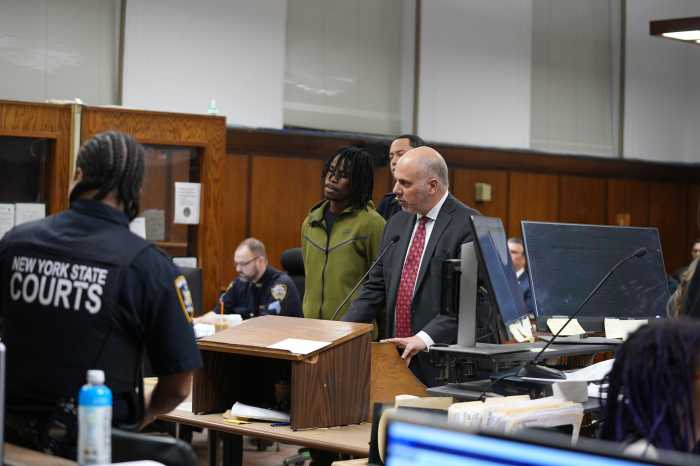
Civil Court resolves disputes that determine whether seniors remain in their homes, families avoid eviction, contracts are enforced or small businesses survive. Criminal Court implicates liberty itself, governing bail, pretrial confinement and early prosecution. Family Court determines custody, neglect and support, shaping the lives of children and families in crisis. These courts affect nearly every aspect of daily life.
Voters are not selecting Civil Court judges for a single, fixed role, but jurists who may be assigned across trial courts with vastly different mandates. Candidates with broad grounding in civil, criminal and family law are better equipped to exercise discretion and administer justice fairly. Although a minority will have practiced in every area, a greater breadth of experience across these courts significantly improves their capacity to navigate a range of high-stakes assignments once elected.
Civil Court judges also preside over “knockdown” cases — complex matters transferred from Supreme Court after claims are narrowed. These cases are procedurally demanding and consequential, requiring judges to master unfamiliar legal issues while exercising significant authority over outcomes that profoundly affect those involved.
Now consider the Surrogate’s Court, where elected judges arguably hold even greater authority than their Civil Court colleagues. There is an inverse relationship between the Court’s extensive power and the public’s limited understanding of its role, a disparity that is particularly consequential at election time. Surrogate judges make decisions voters rarely notice but that profoundly affect families, wealth and personal autonomy.
Elections for Surrogate shape who holds some of the most durable institutional power in New York. Surrogate judges serve 14-year terms — among the longest of any elected office in the state. Each of New York State’s 62 counties has at least one elected Surrogate. New York and Kings Counties each have two, reflecting extraordinary caseloads and the vast wealth those courts oversee.
A single Surrogate oversees probate, trust and estate disputes, adoptions, and guardianships for minors and adults unable to manage their affairs. Surrogate’s Court uniquely combines long tenure, administrative control, and jurisdiction over wealth, family, and personal autonomy. The Surrogate functions less like a traditional jurist and more like the commissioner of a court operating much like a city agency, overseeing staff, implementing systems, and working closely with the county public administrator, whom they appoint to manage estates when no heirs can be located. Few elected officials influence so much, for so many, or for so long.
A Surrogate judge represents more residents than most other elected positions in the state, including Congress. When Nora Anderson served as New York County Surrogate, and when Diana Johnson and later Harriet Thompson served as Kings County Surrogates, each represented more residents than nearly every other Black elected official in the state — ranking only behind Governor David Paterson, Mayor Eric Adams and Attorney General Letitia James during overlapping terms of service. Today, Queens County Surrogate Cassandra Johnson, also a Black woman, occupies a similarly rare position, representing millions of New Yorkers.
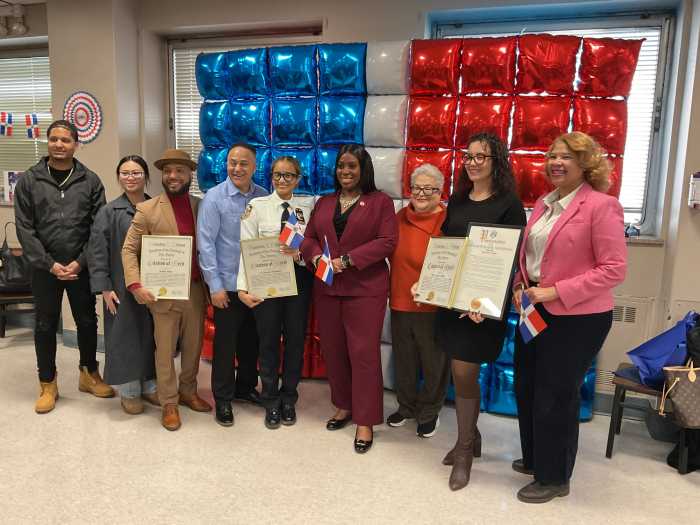
In the Bronx, Surrogate Judge Nelida Malave-Gonzalez, and in Manhattan, Surrogate Judge Rita Mella, are among the city’s most influential Latina elected officials. Outside of Brooklyn District Attorney Eric Gonzalez and Brooklyn Borough President Antonio Reynoso, few Latino officials in New York State hold countywide office of comparable scope. For Black women and Latinas in particular, Surrogate elections offer rare, equitable access to enduring institutional leadership.
Judicial elections entrust exceptional jurisdiction to the judges voters place on the bench. Their decisions on liberty, family and property shape individual lives and New Yorkers’ confidence in the rule of law for decades.
Yet these races receive far less public attention than they merit, leaving voters with limited information — and a profound responsibility that will shape how justice is lived and understood in New York by families, communities and the institutions charged with protecting their democracy. This responsibility should never be taken lightly.
Michael Oliva is a public policy and relations consultant who has specialized in New York City judicial elections.