

I came to New York City from Venezuela in 1989 and made it my home. This city didn’t just give me a place to live; it gave me purpose. When the AIDS crisis was devastating communities in the 1990s, I became an activist with ACT UP New York, working with the Latino caucus. That experience transformed my understanding of community organizing: change happens when people most affected lead the fight.
In 1996, while working at the HIV clinic at St. Vincent’s Hospital, I founded AID FOR AIDS to address a simple but deadly injustice: people with HIV in most of the world were dying because they lacked access to lifesaving medications. We built what became the largest HIV medication redistribution program in the world. The first country we sent medicine to was Venezuela. Over time, that work connected me deeply to networks of people living with HIV there and across the Global South. Today, we have supported more than 30,000 people in 75 countries.
That connection became painfully urgent in 2016, when Venezuela’s health system collapsed. Nearly 70,000 people with HIV were suddenly without treatment. I received a desperate call from the president of Venezuela’s network of people living with HIV, asking for help. Together with global activists and partners, including UNAIDS, we mobilized. After two long years, we secured treatment for 35,000 people. That effort gave me a front-row seat to the devastation caused by Nicolás Maduro’s regime, not in theory, but in human lives.
By 2018, survival itself required escape. Venezuelans began walking out of their country in what became known as los caminantes – the walkers. I saw families traverse South America on foot, from Caracas to Santiago, Chile, fleeing hunger, repression, and total economic collapse. We expanded services across the region, witnessing trauma at a scale I once believed unimaginable.
I was wrong. The trauma was deepening it.
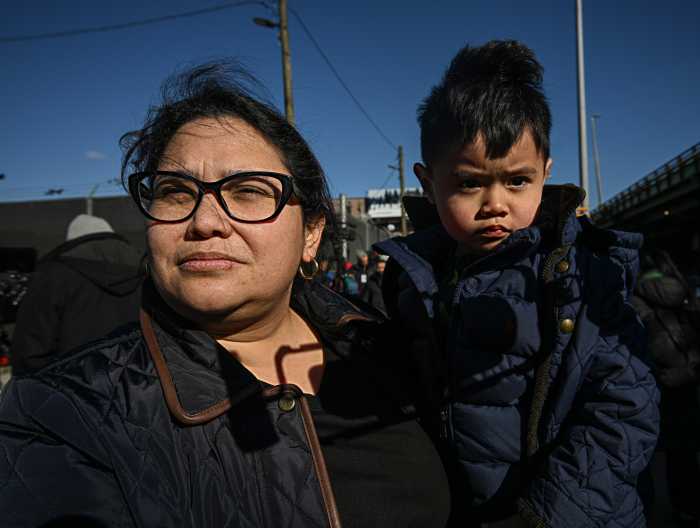
By 2022, many Venezuelans who had fled south began heading north, driven back by xenophobia and instability in host countries. They crossed the Darién Gap, the most dangerous migration route in the hemisphere, then continued through Central America and Mexico. When Texas Governor Greg Abbott began busing migrants to New York City, 75 percent of those arriving were Venezuelan. They were the same people we had supported with medicine in 2016, helped in Latin America in 2020, and now they were here, traumatized, displaced, and trying to survive.
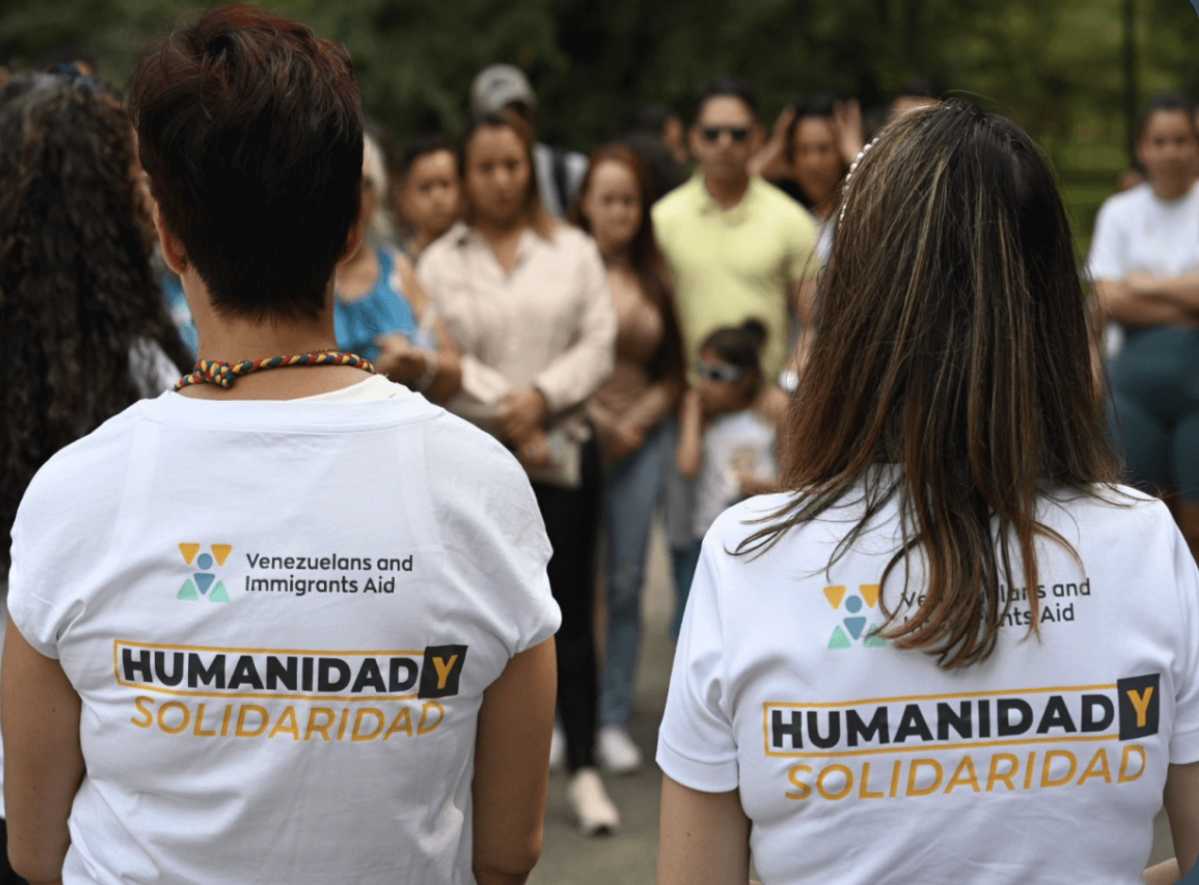
From day one, AID FOR LIFE, one of the organizations I founded, stepped in, first with food and clothing, then legal services, mental health care, and case management. Venezuelans became the largest single migrant group to arrive in New York City in more than 120 years. In 2022, there were roughly 15,000 Venezuelans here. By 2024, more than 130,000. And unlike previous waves of immigration, there was no established host community to absorb them.
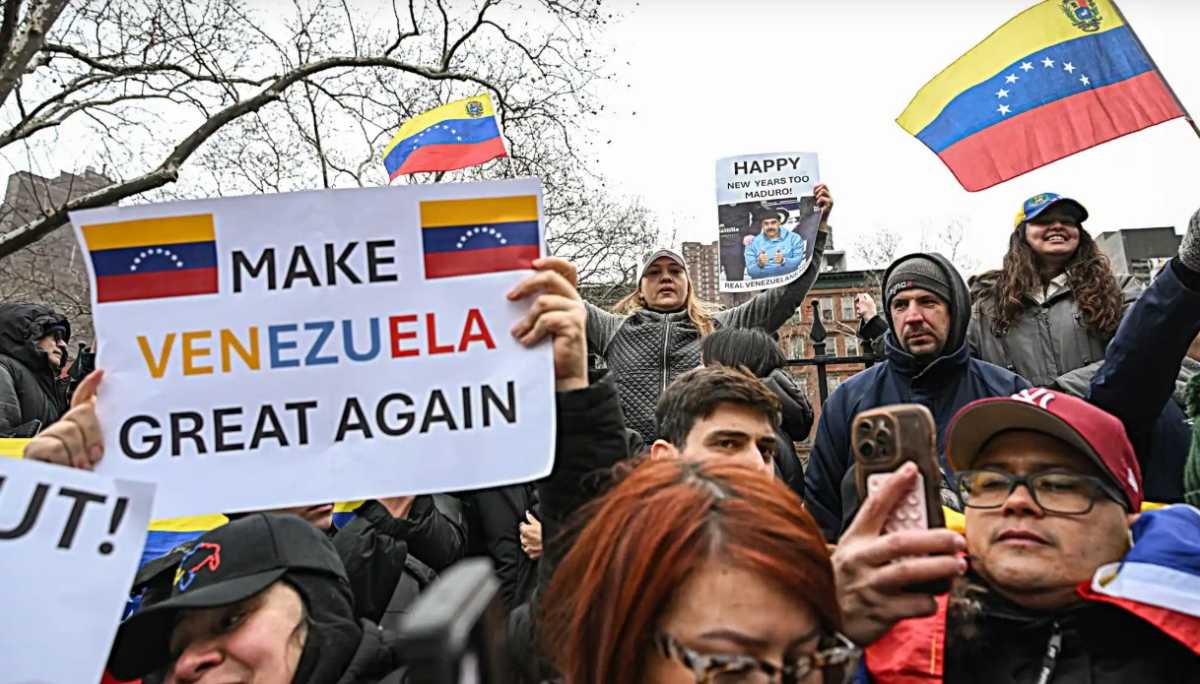
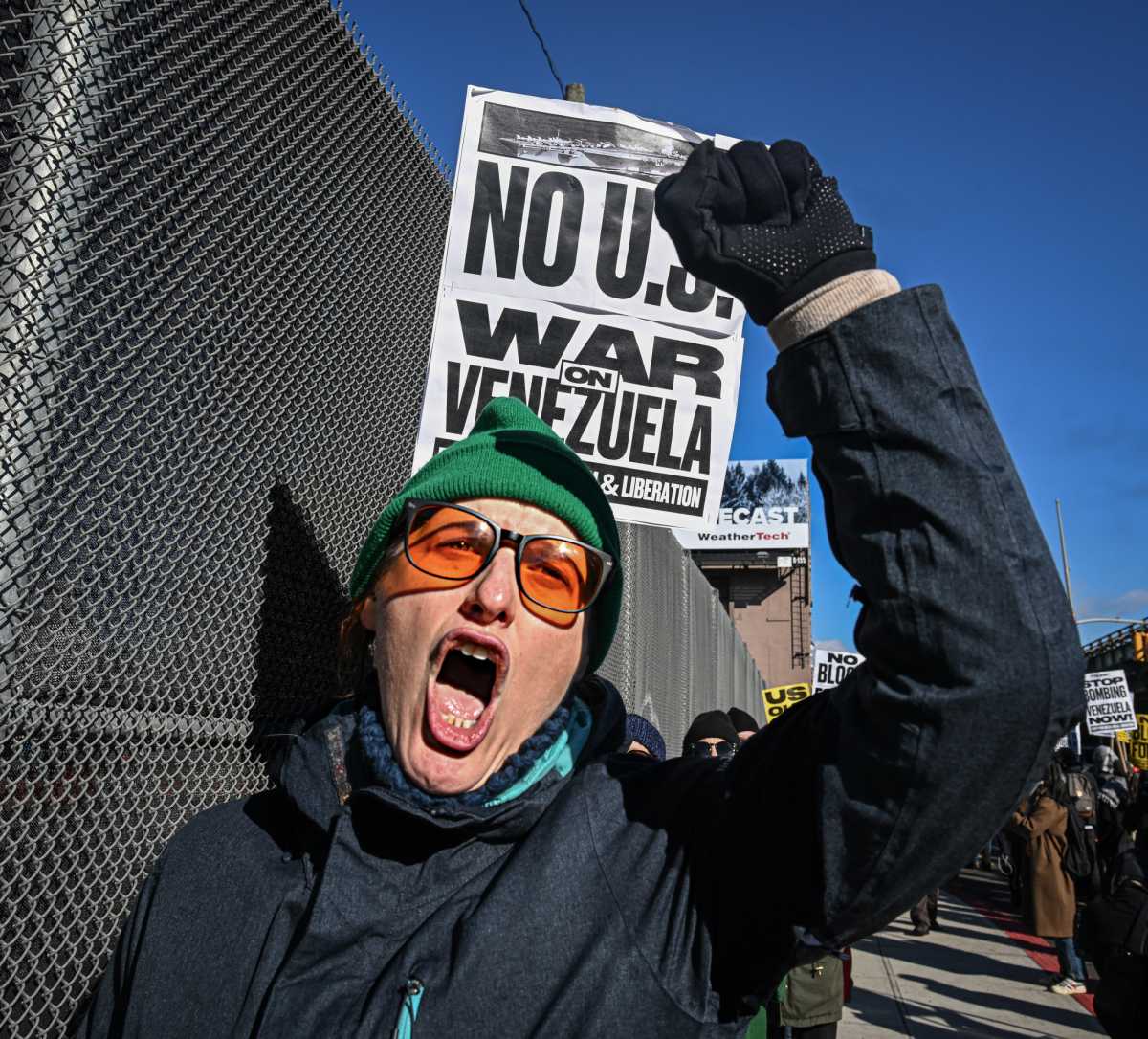
Now, in 2026, Maduro has been ousted. As a Venezuelan New Yorker, I feel relief and deep concern. Relief that a man who kidnapped a nation, governed through torture, imprisonment, and fear, is no longer in power. Concern that his regime may persist through his cronies. Concern that the US conversation has shifted not to democracy or human rights, but to oil and control.
We must ask a hard question: Which international law are we defending? The one that protects dictators in the name of sovereignty, or the sovereignty of people who have endured state-sponsored abuse and torture? Hands off Venezuela does not mean hands off Venezuelans.
New Yorkers must listen to Venezuelan voices. Call your legislators. Demand the restoration of Temporary Protected Status. Urge City Hall to create real pathways for Venezuelans to build stable lives here. This community did not choose displacement, but it chose resilience. And New York must choose solidarity.
Jesús Aguais is president of AID FOR AIDS, a Manhattan-based non-profit organization committed to empowering communities at risk of HIV and the population at large.