


New Yorkers agree: universal childcare is core to building a city we can afford. This is not just the opinion of the more than one million New Yorkers who voted to elect Zohran Mamdani for mayor – it is the majority opinion of New York State residents who support the Mayor’s vision of giving parents the opportunity to work and lowering childcare costs for their kids.
Now that Governor Hochul announced that New York State will begin funding free childcare for 2-year-olds in New York City, this campaign promise is becoming reality. And with this historic investment comes a generational opportunity to tackle the conditions of economic inequality underscoring the affordability crisis: literacy. Universal childcare cannot fully improve socioeconomic mobility without fully integrating literacy. What we need now is a citywide framework that recognizes early literacy not as an optional enhancement, but as the heart of a child development system.
Our call for integration is grounded in experience. We have collaborated around early literacy since 2014, when the New York City Council launched City’s First Readers, the Council’s only early literacy initiative. Literacy in Community (LINC) serves as the lead facilitator of this 17-organization coalition, bringing research-based early literacy programs to some of the city’s most underserved neighborhoods.
And the research is unequivocal: experiences in the earliest years shape cognitive growth, executive functioning, and long-term academic, social, and health outcomes. The foundations of language development and reading ability are built long before a child ever enters a kindergarten classroom.
Learning to read starts at birth. By age two, roughly 80% of a child’s brain development has already occurred. This is a critical window of opportunity to support healthy brain development. The earlier we act, the greater the impact.
Failing to embed literacy into the daily rhythms of childcare risks cementing inequities that are at the root of the current affordability crisis. On average, there is an approximately 30-million-word gap between low-income children and middle-income children by age 3. This literacy gap has a profound impact later in life – without prevention, a student in poverty who can’t read on grade level by 3rd grade is far less likely to graduate high school by age 19 than their wealthier peers, perpetuating a cycle of income inequality which leaves high school dropouts at an economic disadvantage. The same children who will benefit most from universal childcare are those who stand to gain the most from robust early literacy experiences.
The return on this investment is undeniable. Research from Nobel laureate economist James Heckman shows that high-quality early education yields a 7–13% annual return through higher earnings, increased graduation rates, and reduced social costs. At the same time, studies show that gaps in kindergarten readiness persist – and widen – without early intervention.
The alternative is remediation, which entails not only financial costs, but also carries emotional costs for children who struggle to acquire literacy and for the adults who support them. Prevention now is far more effective than intervention later.
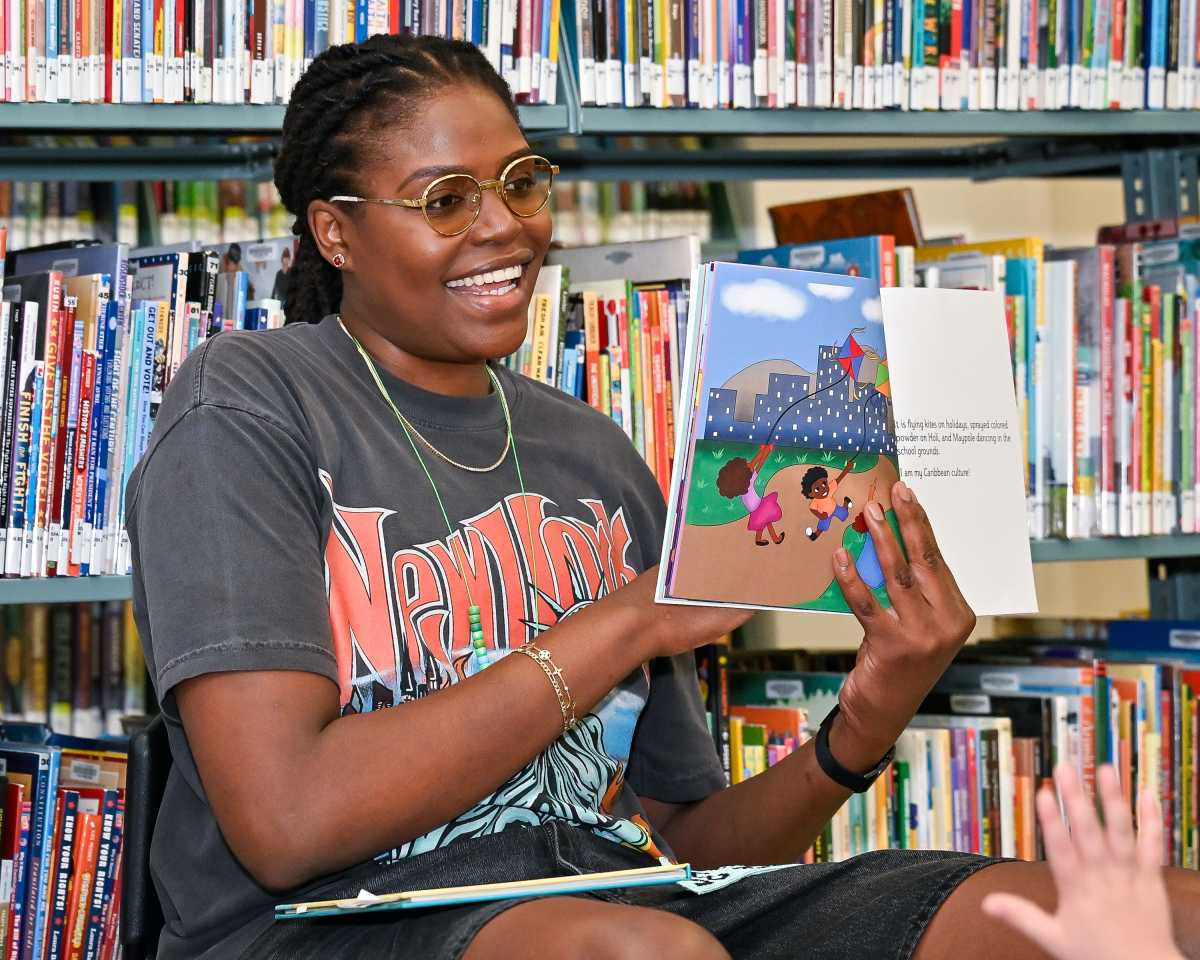
Childcare providers should be trained in evidence-based practices that support healthy brain development and school readiness, including relational health, vocabulary building, letter recognition, and early phonological awareness. Families – who remain a child’s first and most important teachers – can participate in multilingual literacy workshops that strengthen bonding, build confidence, and mirror the learning happening in childcare settings.
Community-based organizations across the city already do this work. They are trusted, culturally responsive, and able to deliver support in the languages families speak. Aligning their programming with childcare providers will create a coherent early learning ecosystem that follows children from home to childcare to school.
New York City has led the nation on these issues before. Universal pre-K became a national model, proving that bold ideas for our children are possible here and across the country. Mayor Mamdani has the opportunity and the mandate to go even further. By embedding literacy into universal childcare from day one, he can build a system that doesn’t just help families stay in New York City – it empowers children to thrive in New York City.
Families are eager. Communities are ready. The infrastructure exists. It’s time for the city to reshape our children’s future by making universal childcare an engine for universal literacy.
Antonio Reynoso is Brooklyn Borough President
Shari Levine, Literacy in Community (LINC) Executive Director
Eliana Godoy, Literacy in Community (LINC) Deputy Executive Director