

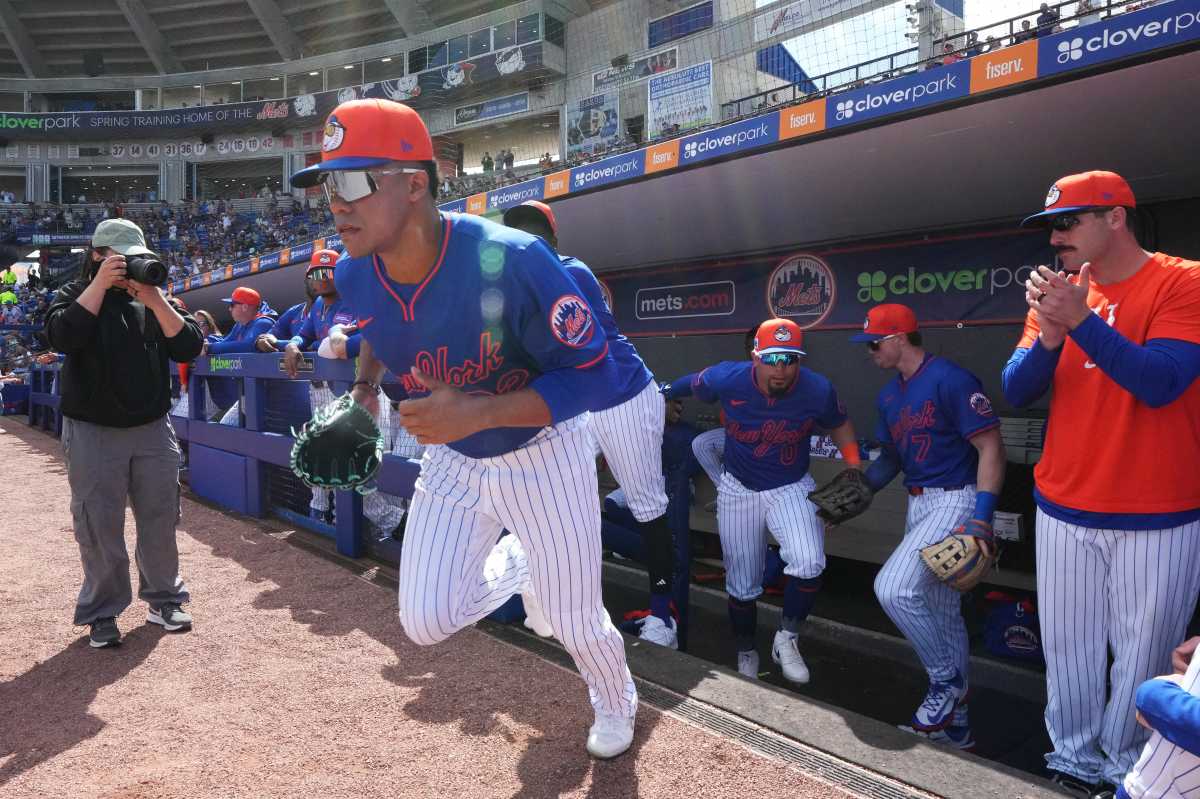
The Mets’ offseason has been a roller coaster — a bumpy road filled with many highs and many lows. For fans, the 2026 season was pronounced over on Dec. 12, when Pete Alonso signed a five-year, $160 million contract with the Baltimore Orioles. For David Stearns, the winter was just beginning.
Stearns, to the dismay of many fans, built a competitive roster that balanced talent and a positive work ethic. But still, questions remain. With a team as fresh as it is on paper, fans may have a plethora of questions to ask, but for now, here are the three biggest questions for the Mets with pitchers and catchers around the corner.
What’s the lineup like post-Pete Alonso?
Losing Alonso is a big blow to the Mets’ lineup, particularly in the power department, where they lost a bat that produced a strong 38 home runs in 2025 on his way to the franchise’s all-time round-tripper record. However, Stearns has cracked the code that the Mets seemingly couldn’t figure out last season: balance.
Yes, the Mets had a strong front end of their lineup with Francisco Lindor, Juan Soto, and Alonso, but following the three stars, there was much to worry about. The Mets had minimal success from players like Mark Vientos, who had a breakout season in 2024, delivering 27 home runs and then five more in the playoffs. Cedric Mullins failed to produce after being acquired at the deadline, leading the Mets to make a costly decision.
Stearns replaced Brandon Nimmo in the lineup with Jorge Polanco, a switch-hitter with pop and a productive bat, producing a career-high season while batting .265 with the Seattle Mariners. To replace Alonso in the lineup is Bo Bichette, who provides some of the best contact in the sport. In a successful contract year, Bichette posted a .311 batting average, ranking No. 2 in the American League, while tallying 181 hits, the second-most in baseball. Along with this, Stearns replaced Jeff McNeil’s streaky bat with Marcus Semien, who isn’t the same game-changing bat but flashes leather that will silence any concerns.
To put the icing on the cake, the Mets traded Luisangel Acuña — who held a limited position with the Mets — to the White Sox for former All-Star Luis Robert Jr., a player in desperate need of change. Instead of being just top-heavy, the Mets will feature a balanced lineup throughout.
“We want to be able to take competitive at-bats all throughout the lineup,” Stearns said. “That was a priority, guys who take each and every at-bat very seriously, regardless of the score or where you are in the season.”
The Mets are projected to have the second-best offensive fWAR, suggesting the lineup will play with a newfound balanced approach.
Is the Mets bullpen deep enough?
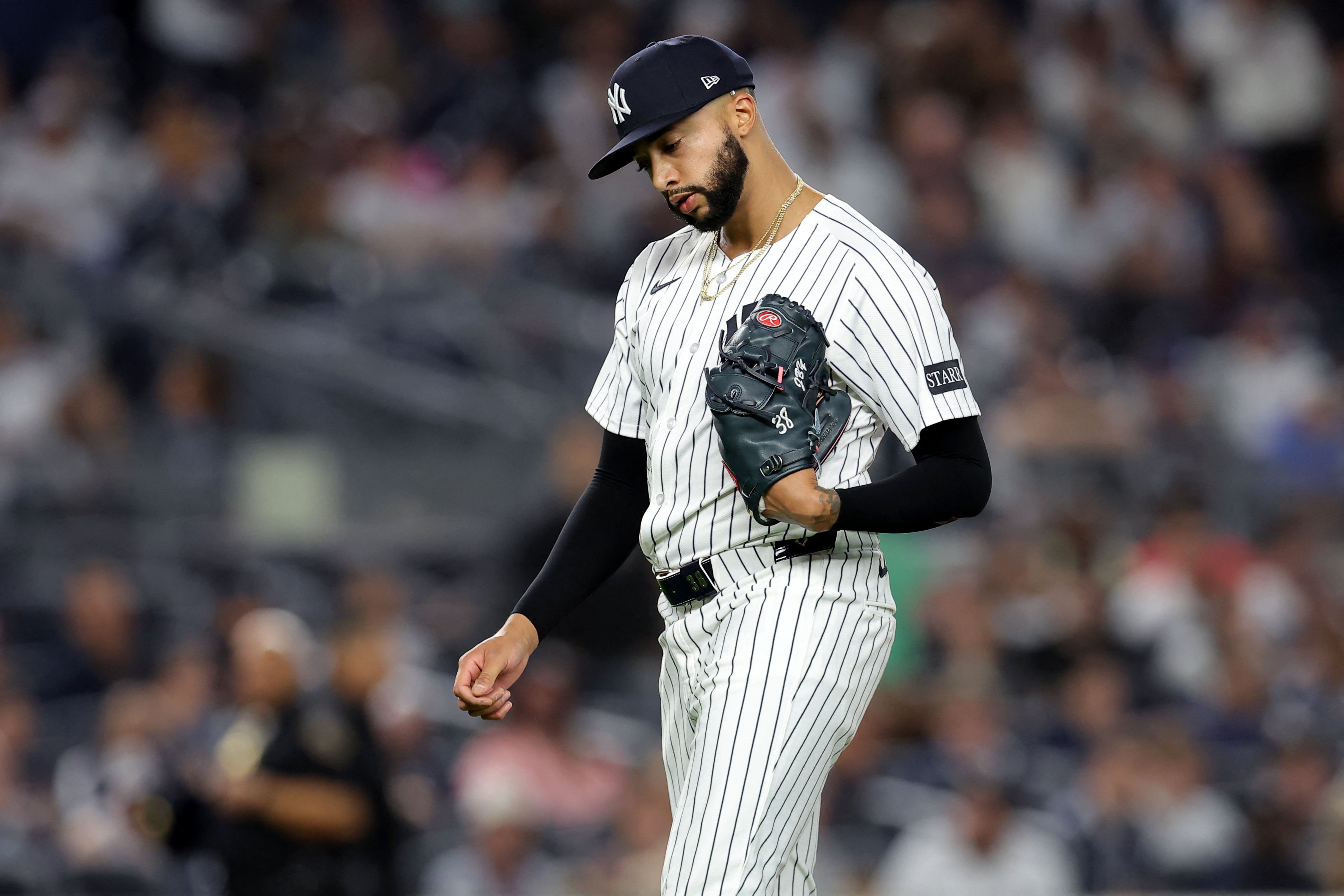
The Mets made a gamble by signing former Yankees closer Devin Williams — one that cost Edwin Díaz. The Mets were originally interested in pairing Díaz and Williams, a duo that would’ve been the best one-two combo in the league. Díaz was apparently shell-shocked by the move, allegedly feeling disrespected by Stearns for making the move without his knowledge, which caused a divide, one that sent Díaz to the Dodgers.
“It wasn’t easy … I chose the Dodgers because they are a winning organization,” Díaz said about signing with the Dodgers. “I’m looking to win, and I think they have everything to win. So picking the Dodgers was really easy.”
However, the Mets were able to find a setup man in another former Yankees closer, Luke Weaver. Weaver is coming off a year in which he struggled—posting a 3.62 ERA through 64 innings, with 72 strikeouts. However, the Mets feel that pairing a duo with prior experience not only together but also in New York can serve them well.
Besides the Bronx duo, the Mets are expected to welcome back both A.J. Minter and Brooks Raley, two solid lefties who will provide experienced arms to the bullpen.
The Mets bullpen isn’t perfect, but there’s zero reason why it won’t be solid and consistent, something Stearns has so far tried his best to abide by while in New York.
Is this really a competitive starting rotation?
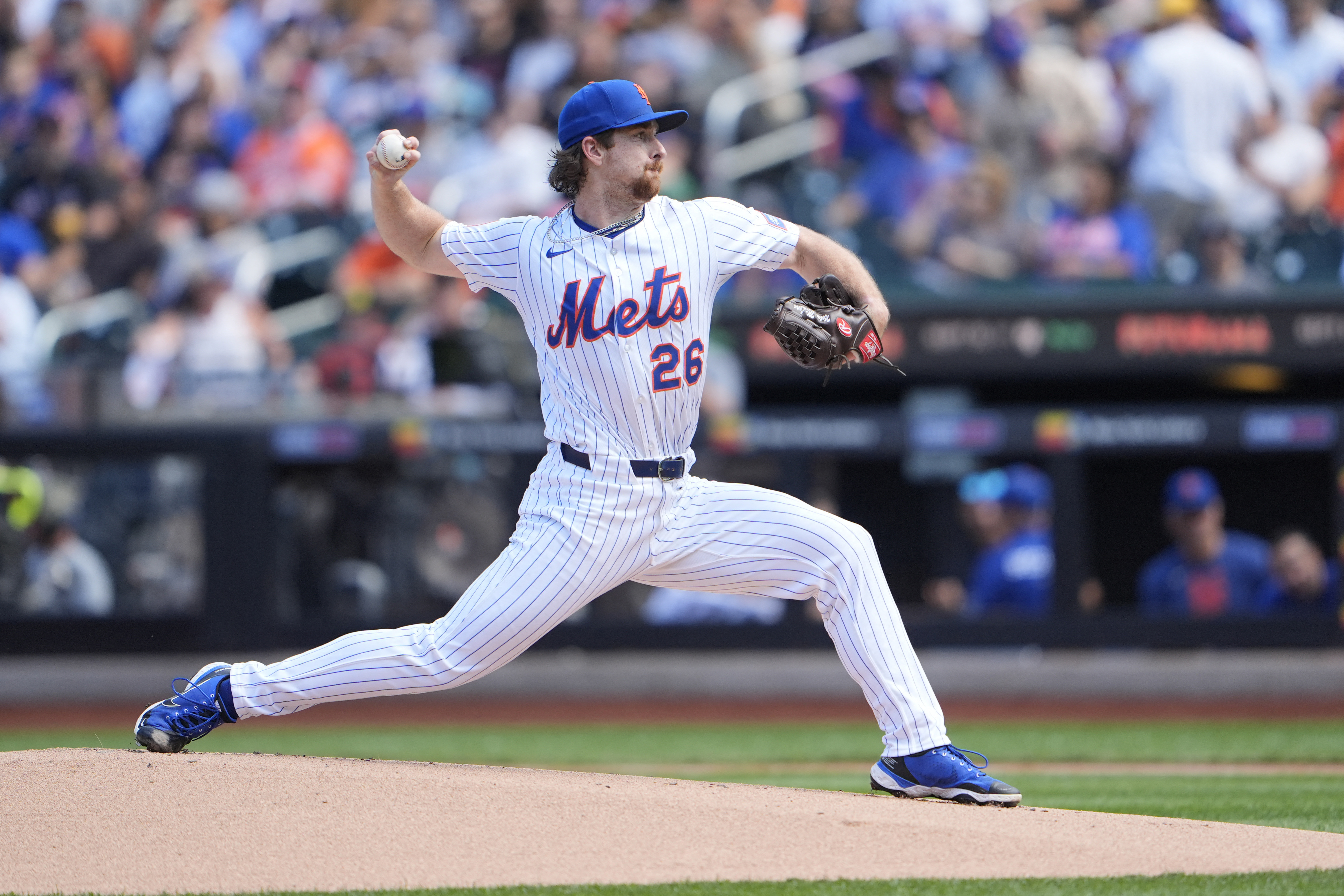
For the Mets entering 2025, there was a huge question mark surrounding their rotation. The only changes they made to their rotation were adding Clay Holmes, the former reliever, and Frankie Montas, a starter who struggled for the last several seasons. Besides that, the Mets welcomed back Sean Manaea while letting Luis Severino test the waters, leaving them with a very similar rotation to 2024.
The season started, to the surprise of everyone, dominantly. The Mets’ rotation was among the best through the first three months of play. Through May 4, it led the league with a 2.32 team ERA. Then suddenly, everything took a dark turn. After Kodai Senga went down with a hamstring injury, it seemed as though it served as a falling domino, with everything in the Mets rotation going wrong at the exact same time—lingering through the remainder of the season. The Mets’ failure last season was due to their starting rotation failing to give the bullpen consistent starts of over five innings, at one point going consecutive games without a starter named David Peterson doing so.
There was one objective for the Mets entering this offseason—adding a bona fide frontline option, no matter who they retained. All offseason, the Mets were tied to almost every major name on the market, including Tarik Skubal, who, for now, remains in Detroit with his pending market opening up to the league following the 2026 season. The Mets flexed their top-rated farm system, trading away their No. 3 prospect, Jett Williams, along with No. 5 pitching prospect Brandon Sproat.
Freddy Peralta, a familiar face to Stearns from his time in Milwaukee, has proven to be one of the league’s most consistent pitchers. Coming off a career year in 2025, Peralta finished fifth in NL Cy Young voting after posting a 2.70 ERA with 204 strikeouts across 176 innings. Even more appealing is his contract: just $8 million in 2026 before free agency. For a Mets rotation that was ravaged by injuries last season, Peralta represents exactly what they lacked—durability and reliability. He has surpassed 165 innings and made 30-plus starts in each of the last three seasons.
Peralta will now work alongside rookie pitcher Nolan McLean, one of the league’s most promising young arms, followed by the same starting cast from the year before. The move for Peralta also allows whatever time is required for top prospect Jonah Tong and returner Christian Scott to continue developing down in Triple-A. The next step for the Mets is extending Peralta, who’s set to become a free agent after the season. However, Peralta has stated he’d like to get settled in with his new teammates and the clubhouse before making a long-term decision.