

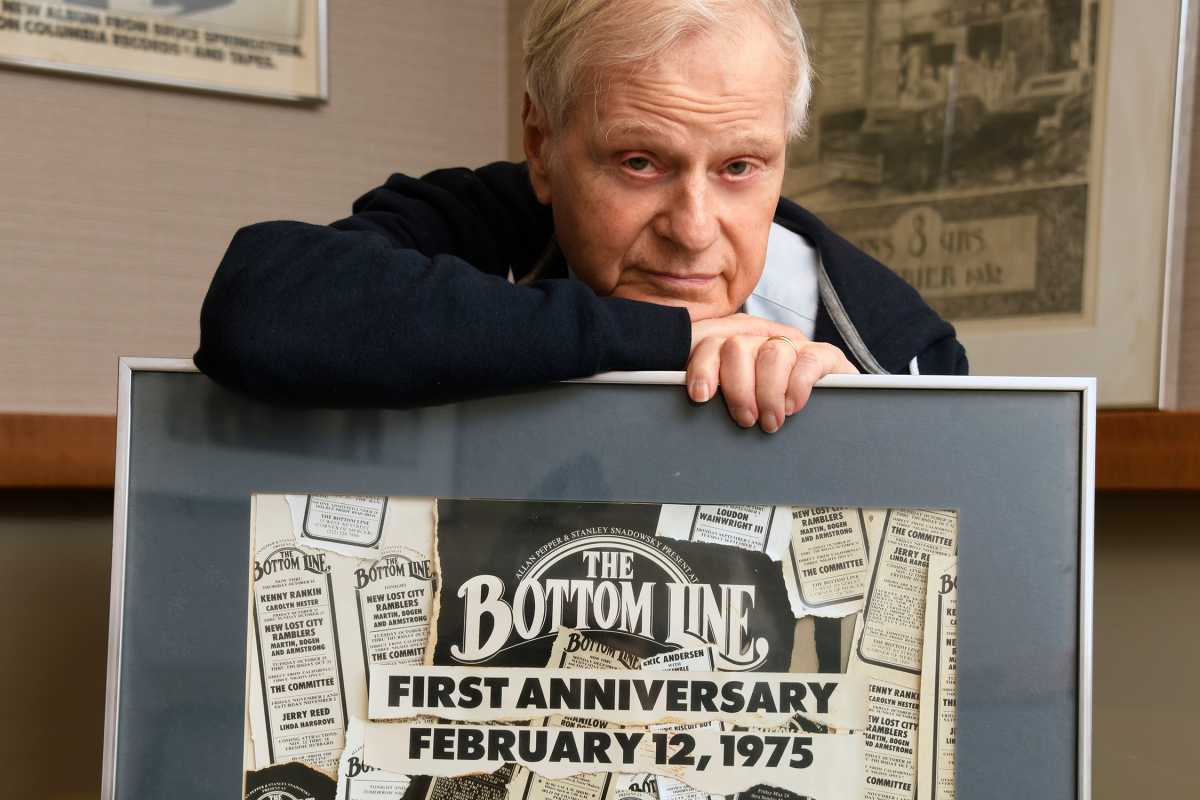
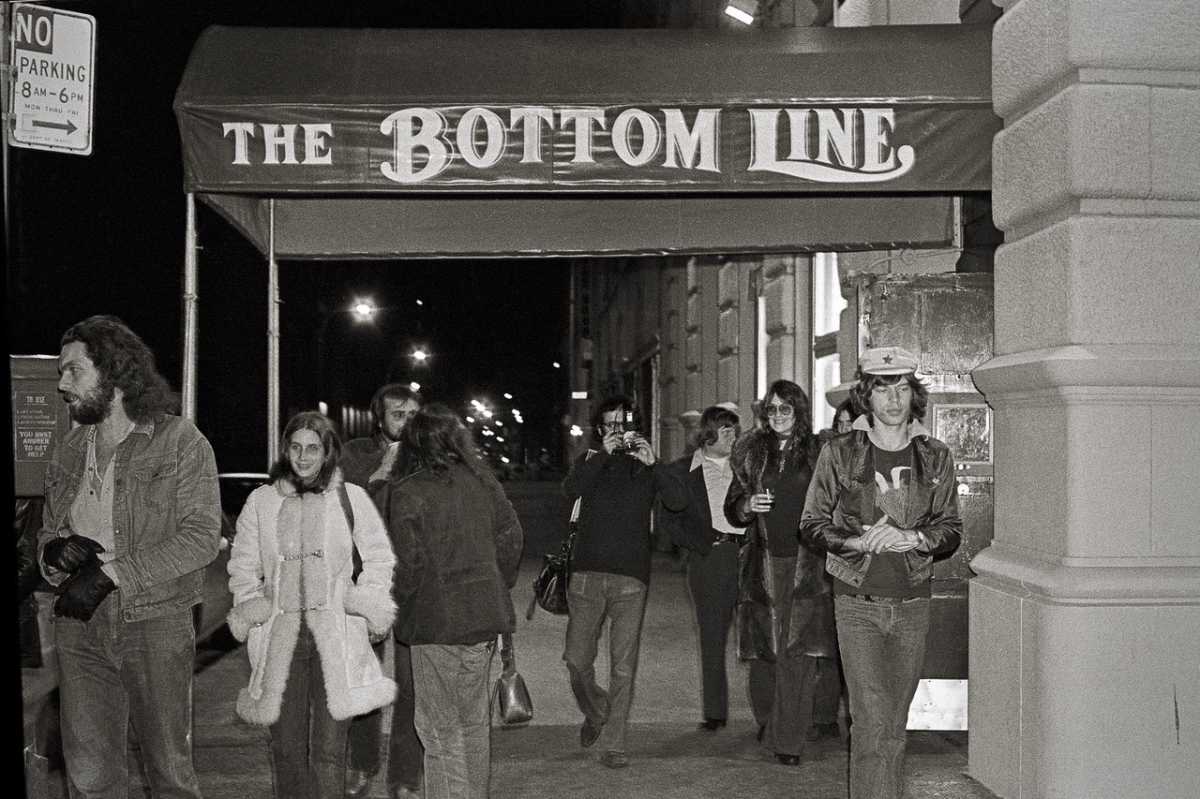
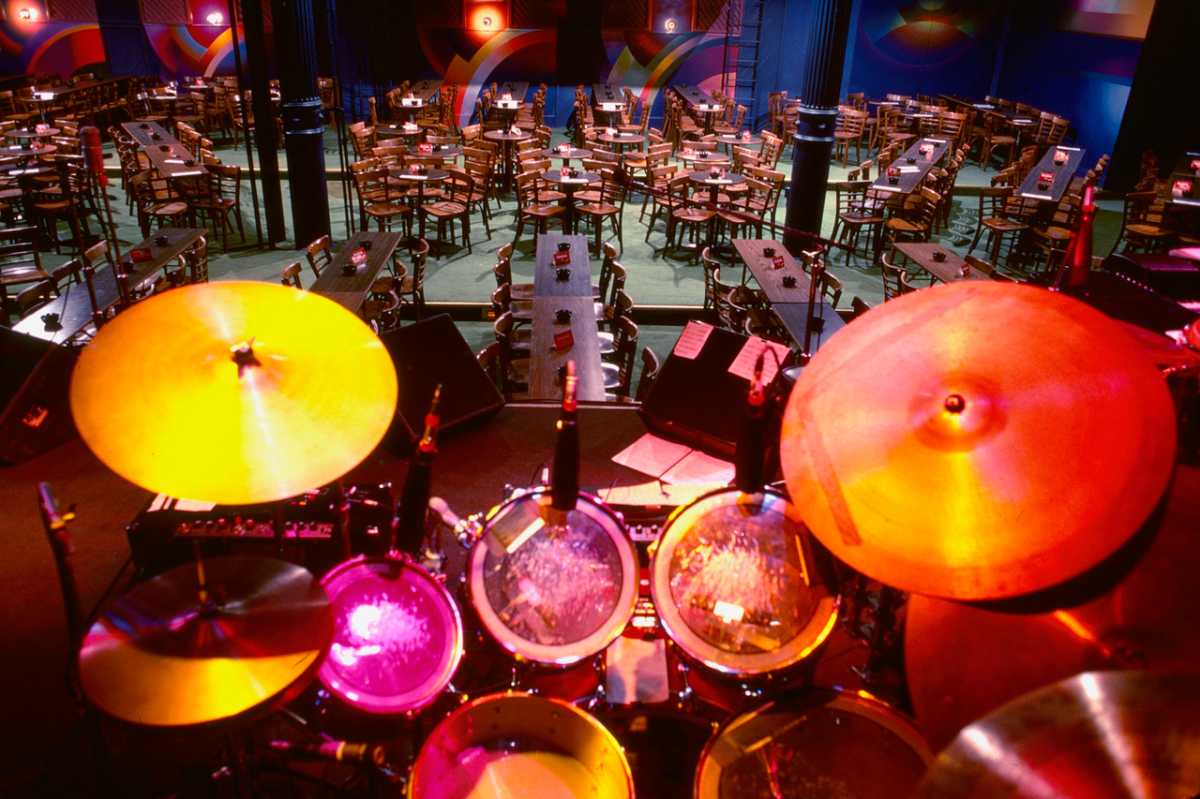
Clubs come and go in Manhattan, with some of them forgotten and some gaining legendary status. One of them is The Bottom Line, the subject of a new book by the club’s co-founder Allan Pepper and award-winning cultural journalist Billy Altman.
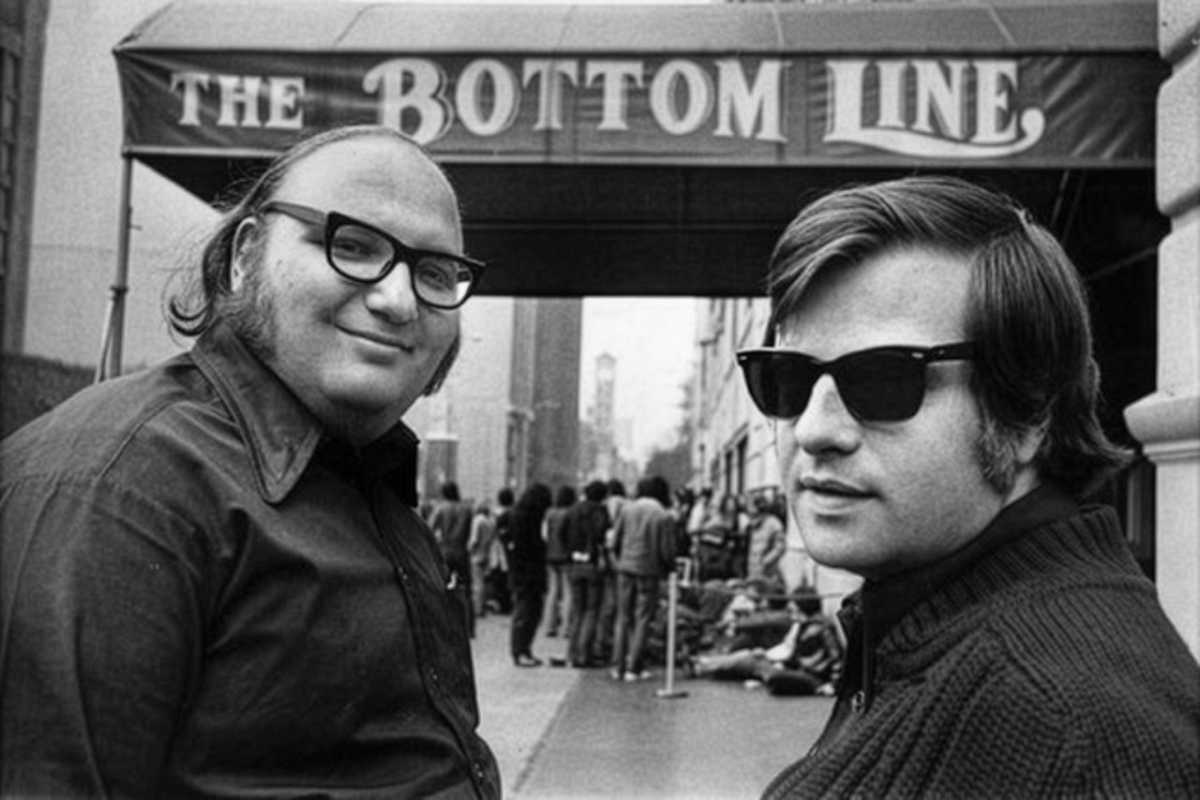
It’s a mostly oral history of the renowned Greenwich Village music venue at 15 West 4th St., which ran from 1974 to 2004, filled with anecdotes from the stars who played that stage to the staff who ran the place. While the voice of the late Stanley Snadowsky, the club’s co-founder, is absent, his presence is felt throughout the book, which is a lively history of a club that was much more than the sum of its parts.
History is a funny thing — when you’re making it, you’re not necessarily aware of that fact.
“You know, we didn’t have any idea that this would impact people in the way it did”, Pepper admits. “I had four young kids. Stanley had two kids. We were just trying to make a living.”

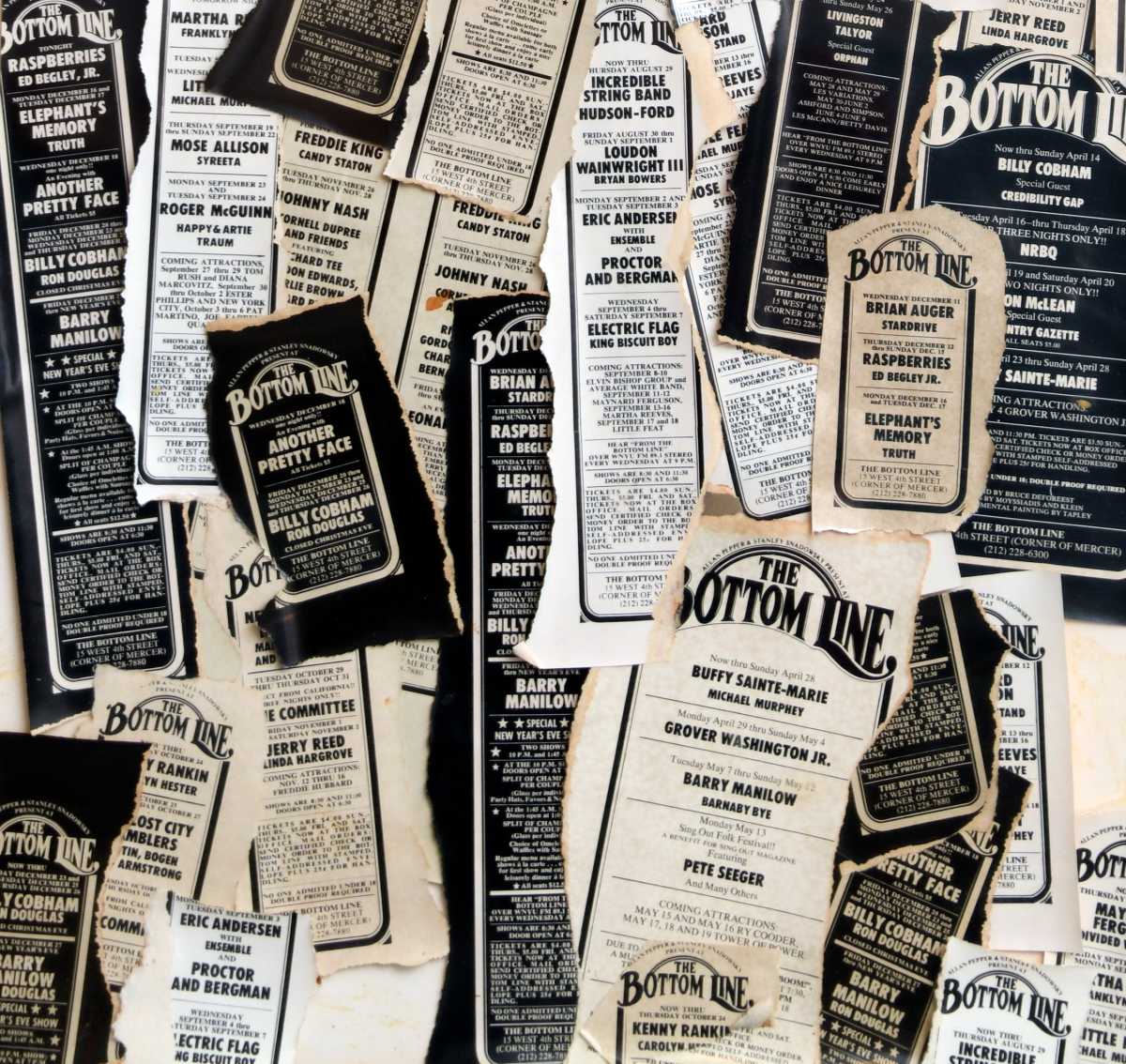
They should have known right off the bat that they had something special, as the opening night had Dr. John, Stevie Wonder and Johnny Winter performing to the likes of Mick Jagger and Carly Simon in the audience. Over the years, the 400-person capacity club became the place to be to see one’s favorite artist up close or catch an up-and-coming unknown.
Case in point: Prince, who made quite an impression playing there in his underwear in 1980 on his first tour.
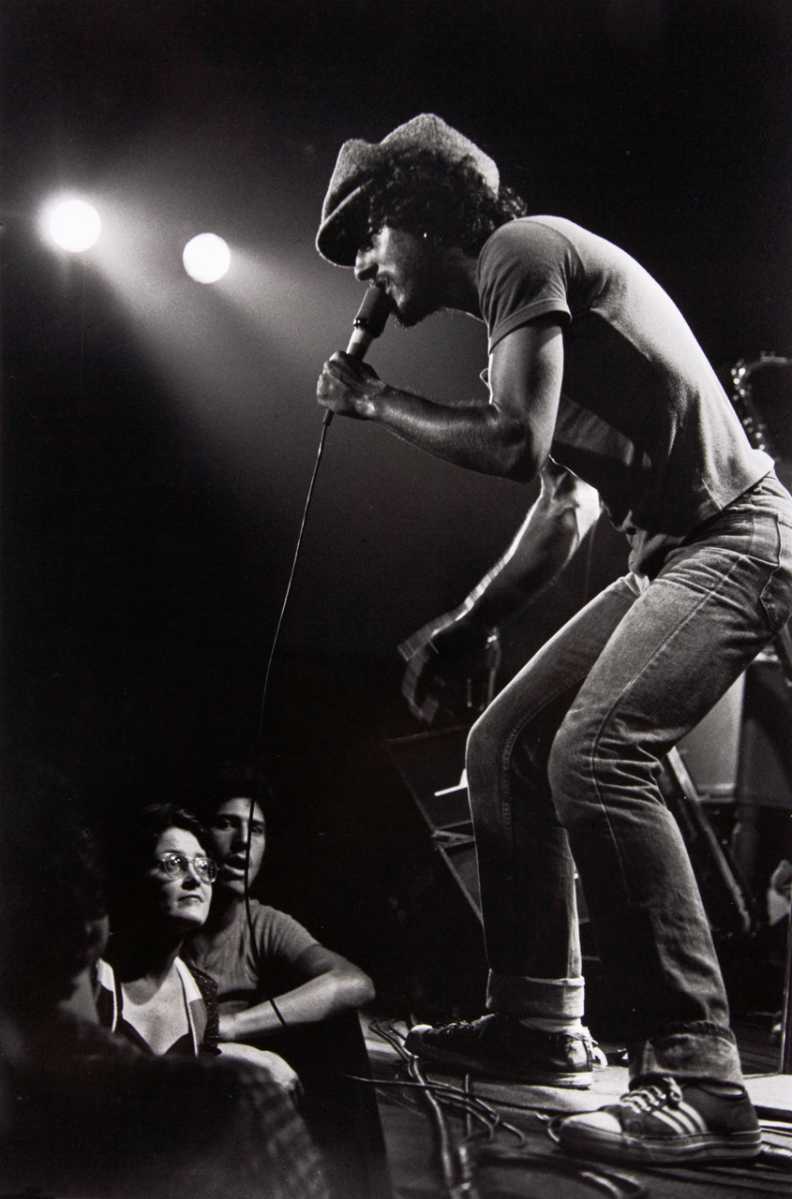
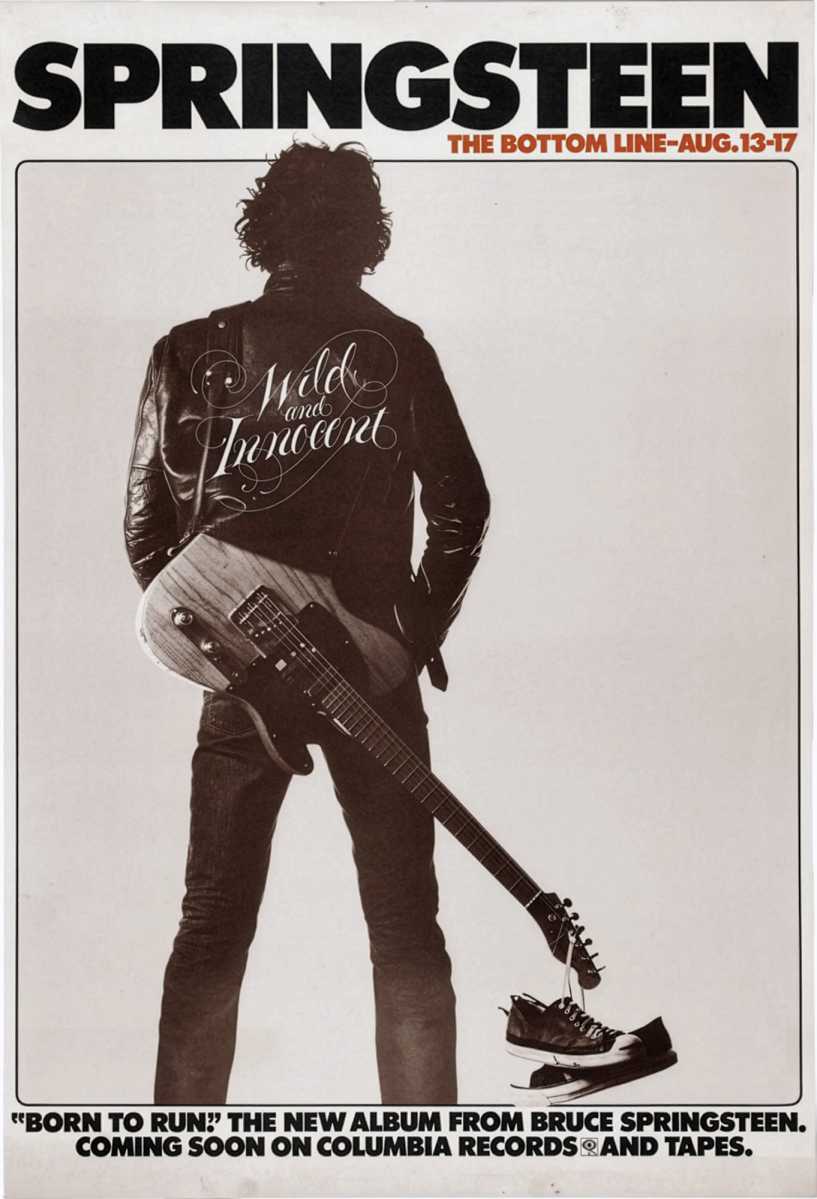
And, of course, there was the epic five-night run that cemented Bruce Springsteen’s reputation as a live performer, before the release of “Born To Run.”
“Springsteen’s engagement is very important on a number of levels,” Pepper explains. “One, it was obviously very important for him, and he acknowledges it. For us, it was for a different reason. Bruce Springsteen kind of validated what we were, what we were trying to do in the following way: the notion was, if you had a stage and you gave the artists the tools that they needed, a good sound system, monitors, stage room, and a place where audiences were urged to listen, not to hang out, not to pick up, not to get drunk, but they came to listen. We created a music room. That was our goal. So, Springsteen, and the way he exploded, and the way it happened, validated pretty much the notion of what we were trying to do.”
Additional validation came with the slew of bold-faced names who graced the stage over the years, including Lou Reed, Billy Joel, Eric Clapton, The Police, Linda Ronstadt, Van Morrison, Dire Straits, Neil Young, Peter Gabriel, Carl Perkins, Bo Diddley, Janis Ian, Muddy Waters, Miles Davis, Ravi Shankar, Dolly Parton, and George Jones. Fun fact: Pepper kept a handwritten record of every single gig over those 30 years.
The book, “Positively Fourth and Mercer: The Inside Story of New York’s Iconic Music Club The Bottom Line,” has been on Pepper’s to-do list since the club closed in 2004.
“I was very naive in how I went about it,” Pepper recounts. “I had an idea that the story of The Bottom Line should be told by the people who actually lived it, not just me, but the voices, the staff, the customers. I thought the idea was so obvious, an oral history. I didn’t have an agent, I didn’t have anything. I got some people to write, some people who worked at the club, to write stories. I threaded my own kind of stories through.”
Pepper sent the story out and got what he called “such an interesting reaction.”
“Every editor said, ‘I’ve got a great Bottom Line story! I met my wife there, I met my husband there, this happened, that happened.’ And they were very excited,” Pepper says. “Then they bring it into a meeting, because they had to get support from the company. And people would basically say… Well, who’s the potential audience for this?”
Long story short, it wasn’t a viable project until Pepper found the perfect collaborator, Altman, and a publisher, Backbeat Books, that believed in the project.
Altman interviewed over 100 people for the book in the two-year period that he worked on it.
“The amazing thing was just about everybody that we reached out to wanted to talk and was happy to share their memories and perspectives, which was really nice,” Altman says. “The only one that we didn’t get that we really wanted was Dolly Parton — too many gatekeepers.”
Everyone seems to have a favored memory from the club, and Altman is no exception. “I attended hundreds of shows at The Bottom Line and so many were really meaningful,” he says.
But one show does stand out: When Nanci Griffith performed Julie Gold’s “From a Distance,” long before it was a hit for Bette Midler.
“She finished the song and the entire audience gave her a standing ovation. I hadn’t seen something like that in a really long time, where one song stopped their own show. At the table next to me was Bill Murray. He got up like the rest of us, and I caught his eye. He just kind of shook his head like, boy, that was amazing.”
Photographer Ebet Roberts, who “loved taking photographs there”, recalls the moment when she showed up to shoot Roger McGuinn and the unknown warmup act still had a couple of songs to go.
“I just took about 10 steps into the room and almost dropped my camera bag,” Roberts recalls. “I stopped dead, Tom Petty was just so amazing! I’ll never forget that. I stayed for the second show to see his whole set.”
Peter Cunningham, who started shooting shows there on opening night, contributed most of the photos in the book. It was “not much of a job, I didn’t really walk away with a profit”, he confesses. “No, I was in love with performers, and I was aware that this was a very special seat that I was sitting in”.
Carol Klenfner was the venue’s PR person, “joined the team when the place was still a construction site,” and she knew from the beginning that it was going to be special.
“Even before the club opened its doors, I could feel that this was no ordinary project,” she says. “Allan and Stanley brought a vision that focused on delivering exceptional sound, lighting, and production, which set the venue apart. That quality spoke for itself, so introducing the new venue to the music industry was a breeze.”
It’s all in the book, from the days when the neophyte promoters Pepper and Snadowsky’s office was a parking meter on Bleecker Street to the club’s sad demise due to their landlord (NYU) doubling the rent.
Does Pepper miss those days, the great music, the Bottom Line family? He responds, “I told Billy the other day that I’m having dinner in the dining room of the Actors’ Fund Home and I think to myself, f**k! Dizzy Gillespie and B.B. King would have made a great show. So, I guess there’s a part of me that is still back there.”
“Positively Fourth and Mercer” is available from bloomsbury.com/us/positively-