If you know The Fugs, you’re going to love Chuck Smith’s brand new documentary “Fugs Film!” And even if you don’t, but you have an interest in 1960s culture, you’ll need to see this film.
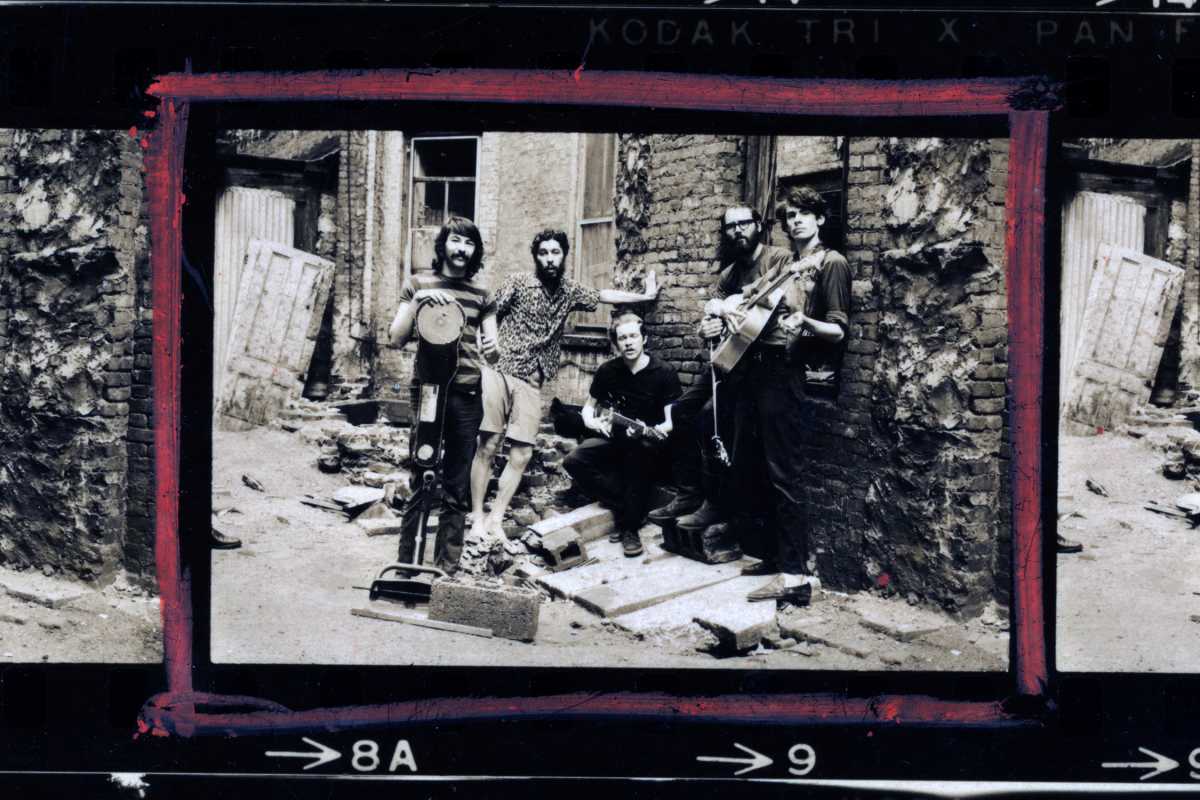
A product of the East Village in the mid-’60s, the band was led by the poets Ed Sanders and Tuli Kupferberg, who pretty much embodied the spirit of the ’60s well before The Summer of Love. Of course, this being New York City and not San Francisco, this was a somewhat different animal.
“They were sort of the original punks,” says Smith. “They were anarchists and musical polymaths. I think it was the beginning of theatrical rock — they literally were putting on a show with music, you know, before Alice Cooper.”
Their first album was recorded by the legendary Harry Smith ( of “Anthology of American Folk Music” fame) and released on Folkways Records and then again shortly afterwards on ESP-Disk. They caught the eye of Andy Warhol, who considered putting them in his “Exploding Plastic Inevitable” shows before settling instead on the Velvet Underground. (Fun fact: Gerard Malanga actually performed his whip dance with The Fugs before moving on to the VU).
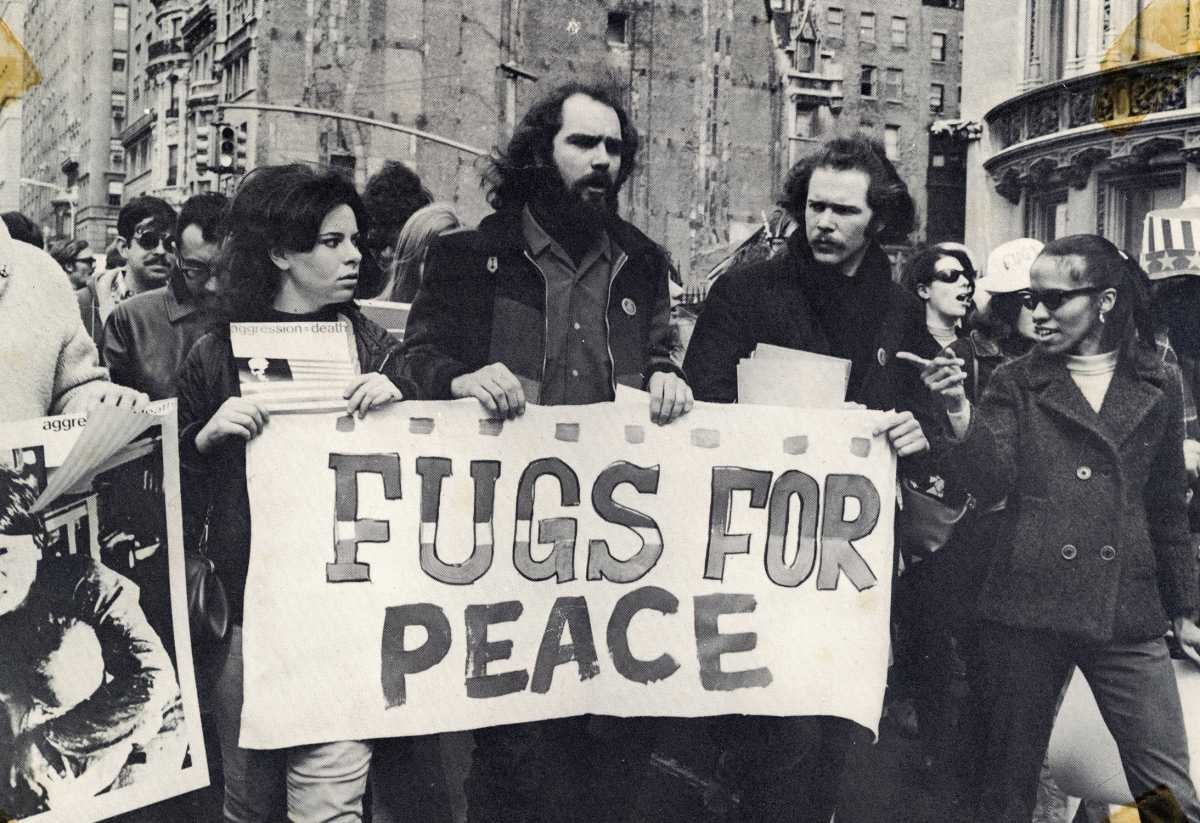
A fierce stance against the Vietnam War and the prudishness of society produced songs such as “Kill For Peace” and “Boobs A Lot” and somehow eventually — and somewhat inexplicably for such a controversial and non-commercial combo — landed them a record deal with Reprise Records, the label founded by Frank Sinatra (one can only imagine what Ol’ Blue Eyes had to say about that!).
An FBI file references them as “the filthiest and most vulgar thing the human mind could possibly conceive.” We think that John Waters might take issue with that pronouncement, but that’s another story.
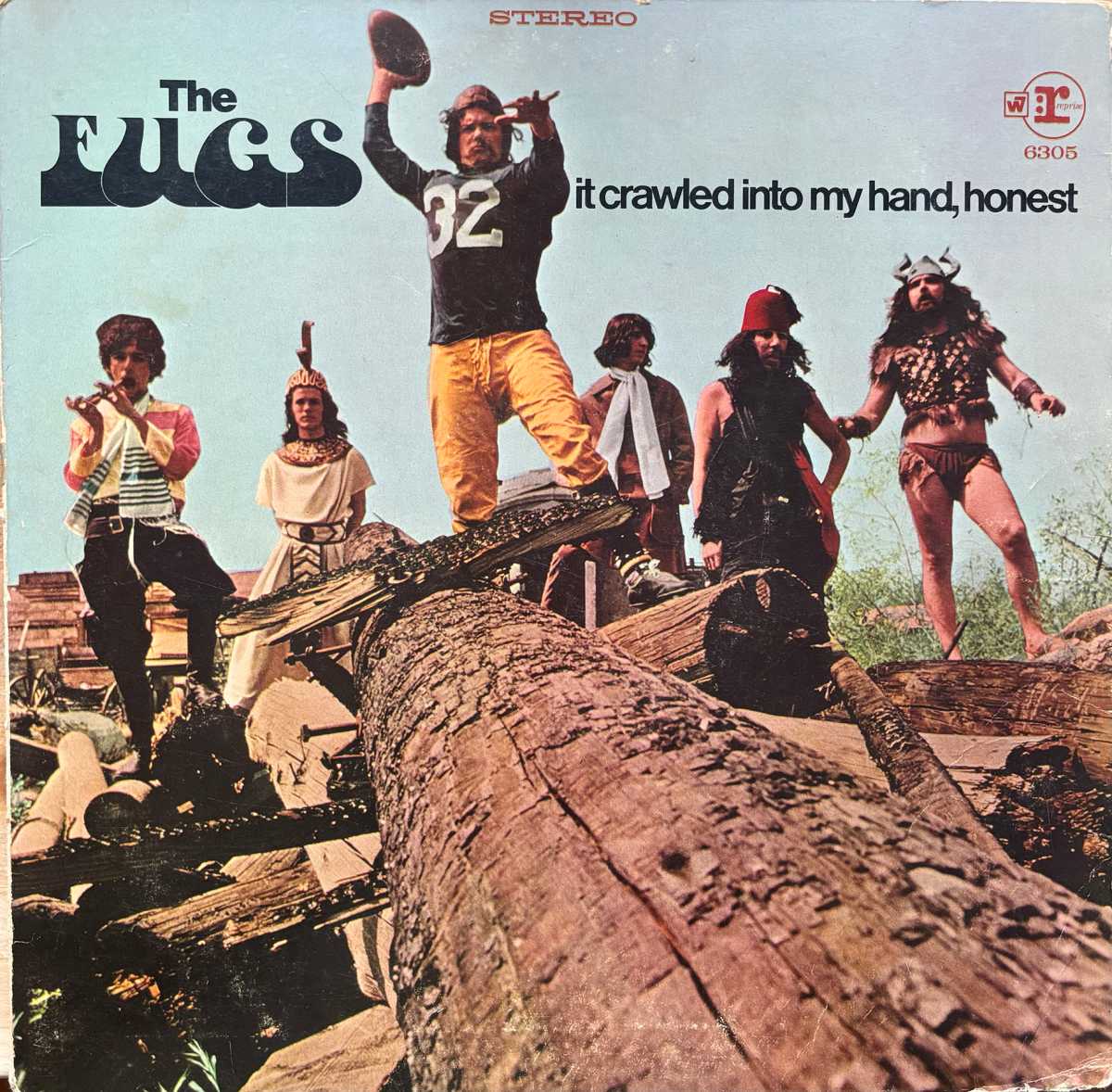
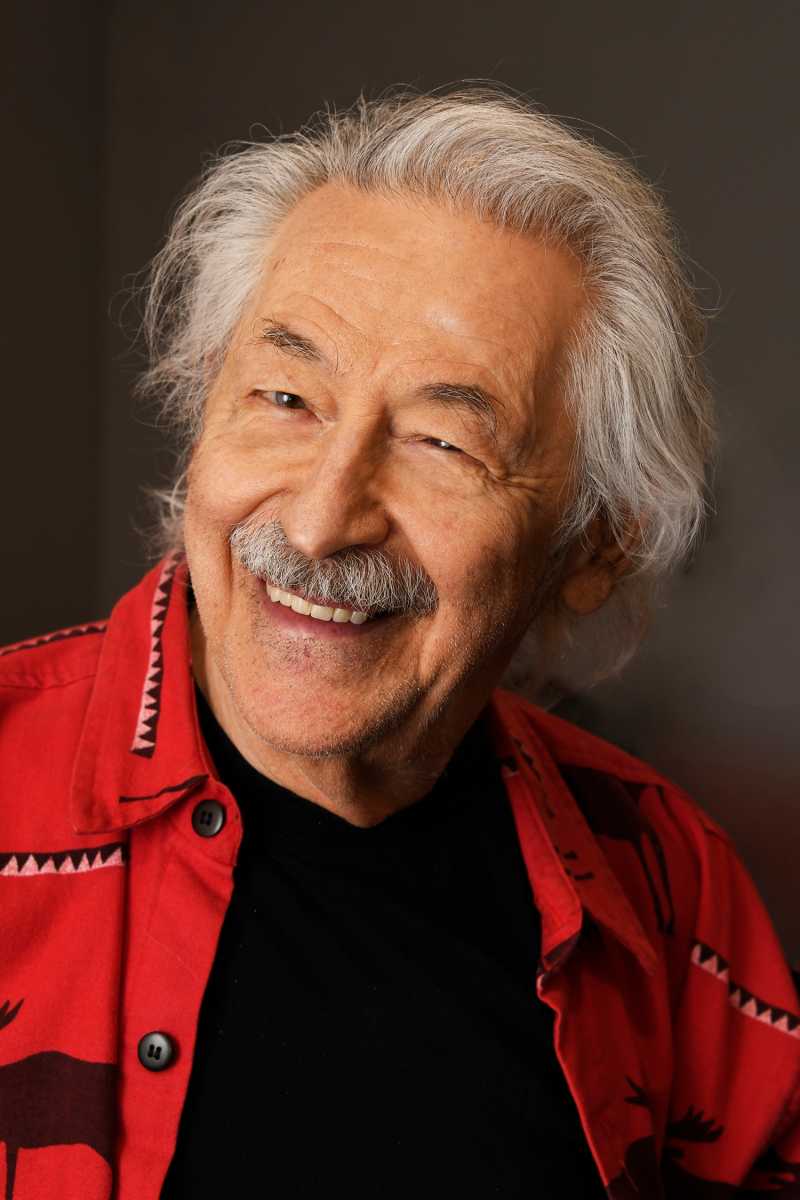
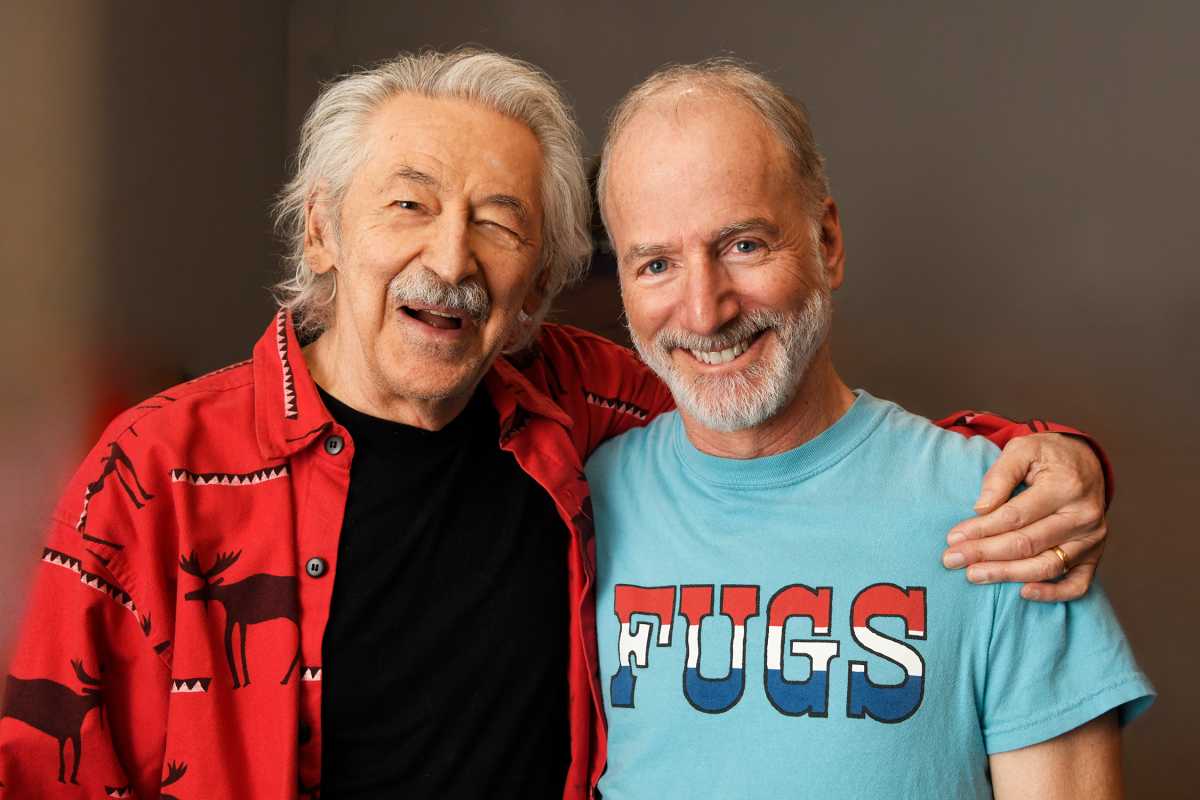
Not to diminish their scope, though, we should mention that the ambitious combo also spent some quality time setting William Blake’s words to music.
Smith, a filmmaker, TV producer and writer, has produced documentaries and series for National Geographic, Discovery, CBS and many others. His films include “Barbara Rubin & the Exploding NY Underground” (2019) and “Forrest Bess: Key to the Riddle” (1999). Smith ended up making this film as a result of the fact that Sanders liked the Rubin project as well as a video for The Fugs’ 2017 “Exorcism of the White House,” an anti-war protest that they reprised after having mounted it 50 years earlier.
“Ed liked me,” Smith explains, “and he knew that Jonas Mekas liked me. Ed just sent me an email that said, ‘Hey, do you want to do a Fugs film?'”
Although Smith thought that he had left the ’60s behind when he finished the Rubin doc, he had good reason to dive back in: “I thought, ‘Oh boy, that’s a really good topic.’ I knew Ed had most of the rights to all the Fugs’ music, so I wouldn’t have to deal with that. And I also knew he had a huge archive. And I knew that he was famously not someone who talks to the press much, so I felt honored that he would even give me the chance to do it. So I said, ‘Sure.'”
Armed with a surprising amount of archival film footage from filmmakers such as Mekas, Ken Jacobs and Rudy Burckhardt, Smith set about telling the story of the band’s formative years and ran into only one major problem: trying to decide what to leave out.
“There were so many great stories,” he says. They are told by a variety of people onscreen, including Lenny Kaye, Penny Arcade, Robert Crumb and Aline Kominsky-Crumb.
Smith feels that one of the reasons the film works so well is that he was “not an obsessive fan” when he agreed to take on the task.
“I tried to make it interesting for everyone, even if you didn’t even know who The Fugs were. I think a lot of documentaries, especially music documentaries, get compromised because they’re made by fans,” he says. “That’s a problem because you’re too in love with your subject.”

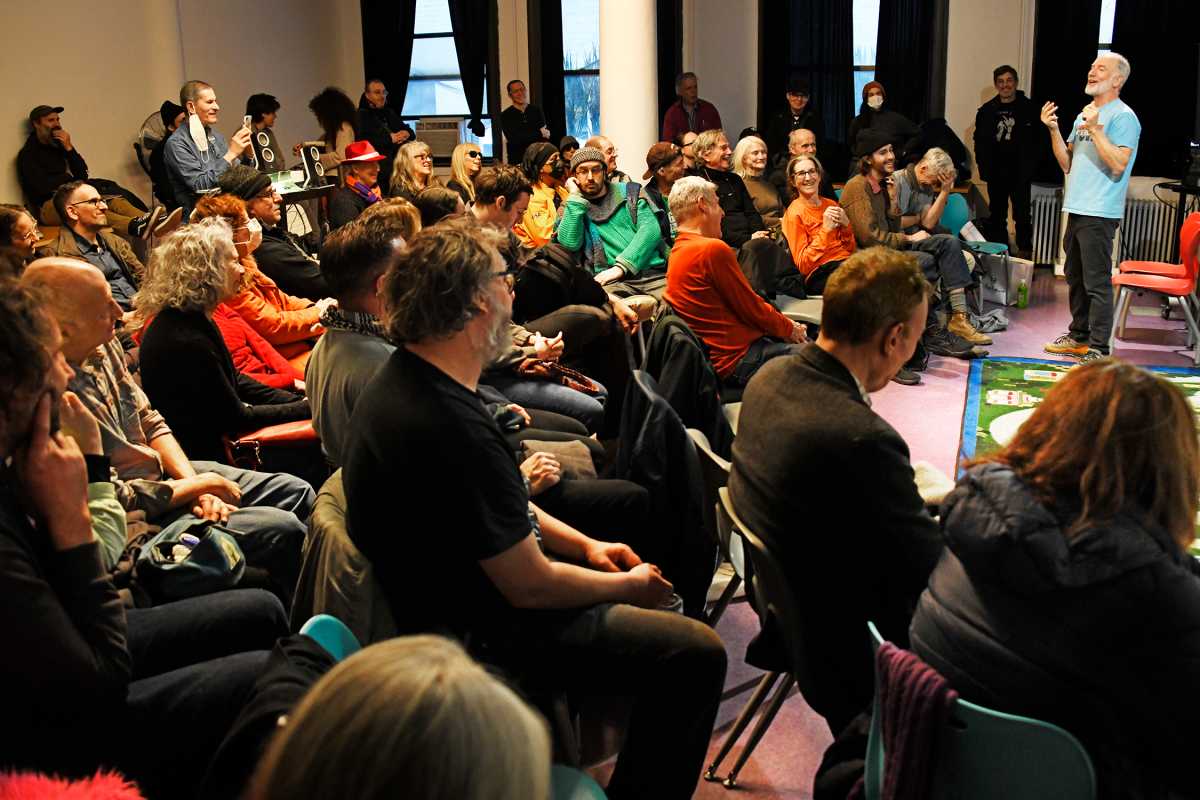
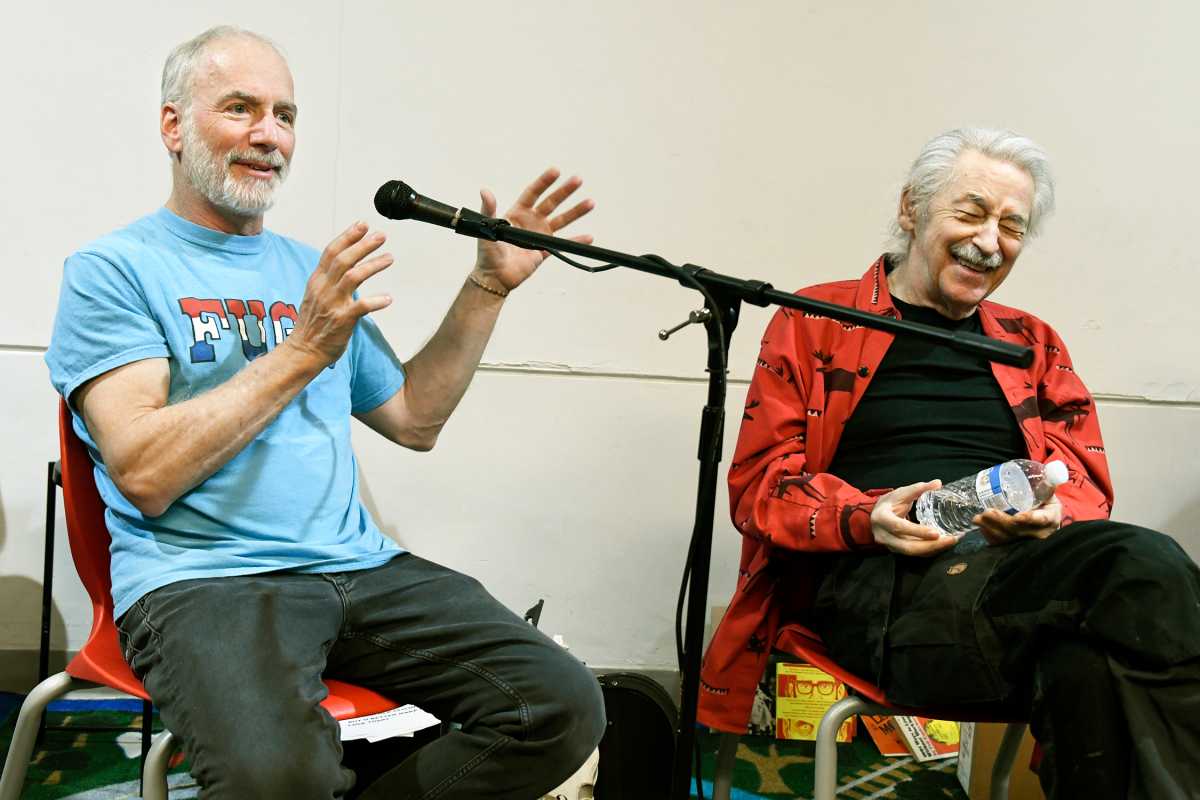
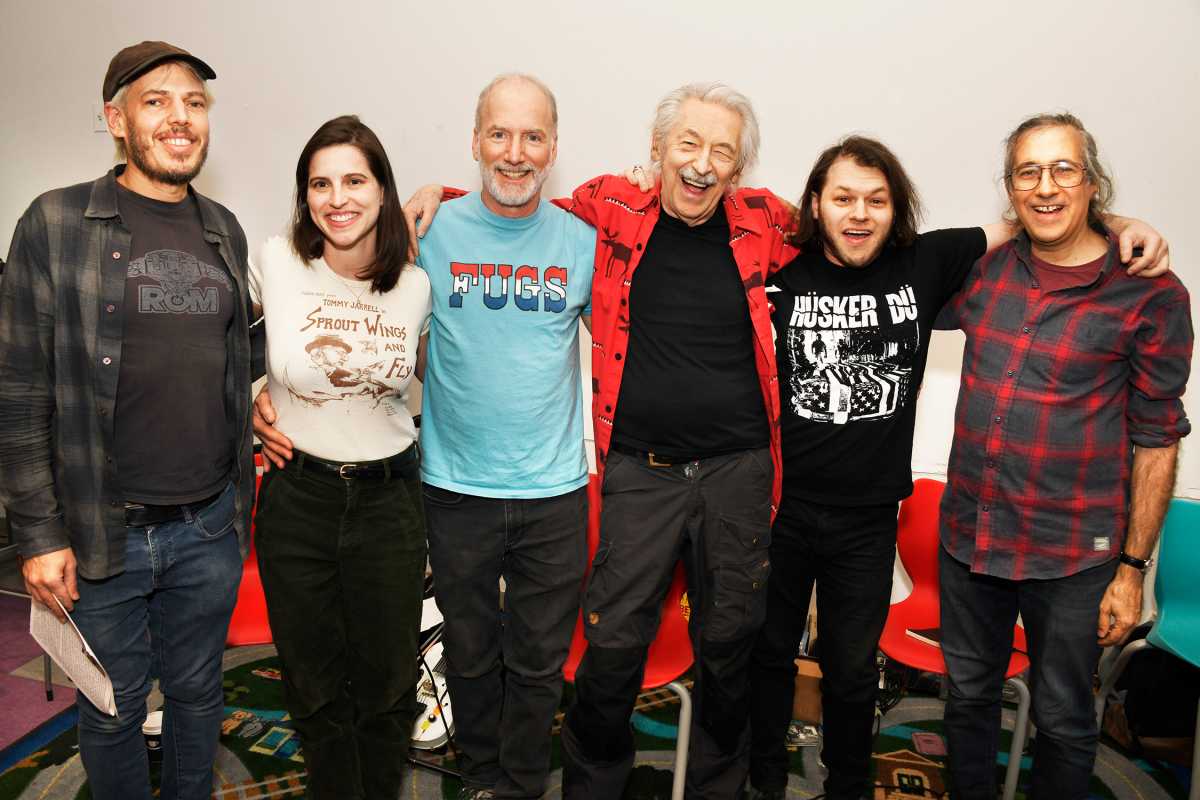
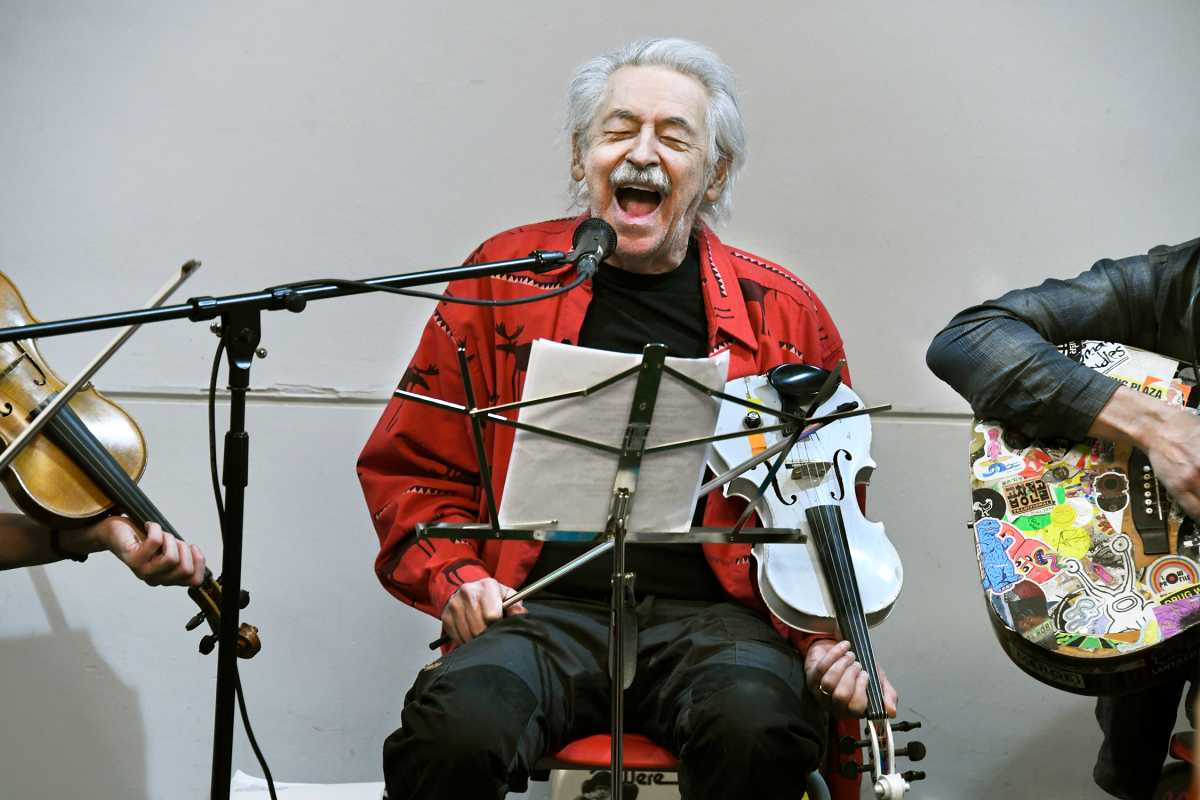
The Tompkins Square Library was filled with fans on Jan. 31 as the program included a screening of the film, a panel hosted by music historian Jesse Rifkin and performances of Fugs tunes by original Fug Peter Stampfel, who was accompanied by Stephanie Coleman, Jeffrey Lewis and Steve Espinola.
Stampfel noted that he had seen the film twice and that much of the story was new to him. “I am delighted to be a part of this,” he said. “It’s an excellent project.”
As for Smith, the director muses that, “I came out of it really admiring them, but still not loving all of their music. But I feel like it’s a great ’60s film.”
The most important opinion, however, was going to be Sanders, as he had contracted with Smith for the final cut.
“When I was near the end,” Smith admits, “I was like, ‘Oh my god, he may hate this.’ But after he watched it, he just said, ‘Don’t change a thing.’ I was overjoyed.”
“Fugs Film!” is currently looking for a distributor and may be available by spring. In the meantime, watch for news on the @fugsfilm and @the_fugs_official pages on Instagram and check out Chuck Smith’s YouTube page, youtube.com/@chucksmithNYC, which contains a panel discussion with Peter Stampfel, Lenny Kaye, Ira Kaplan and Smith.