


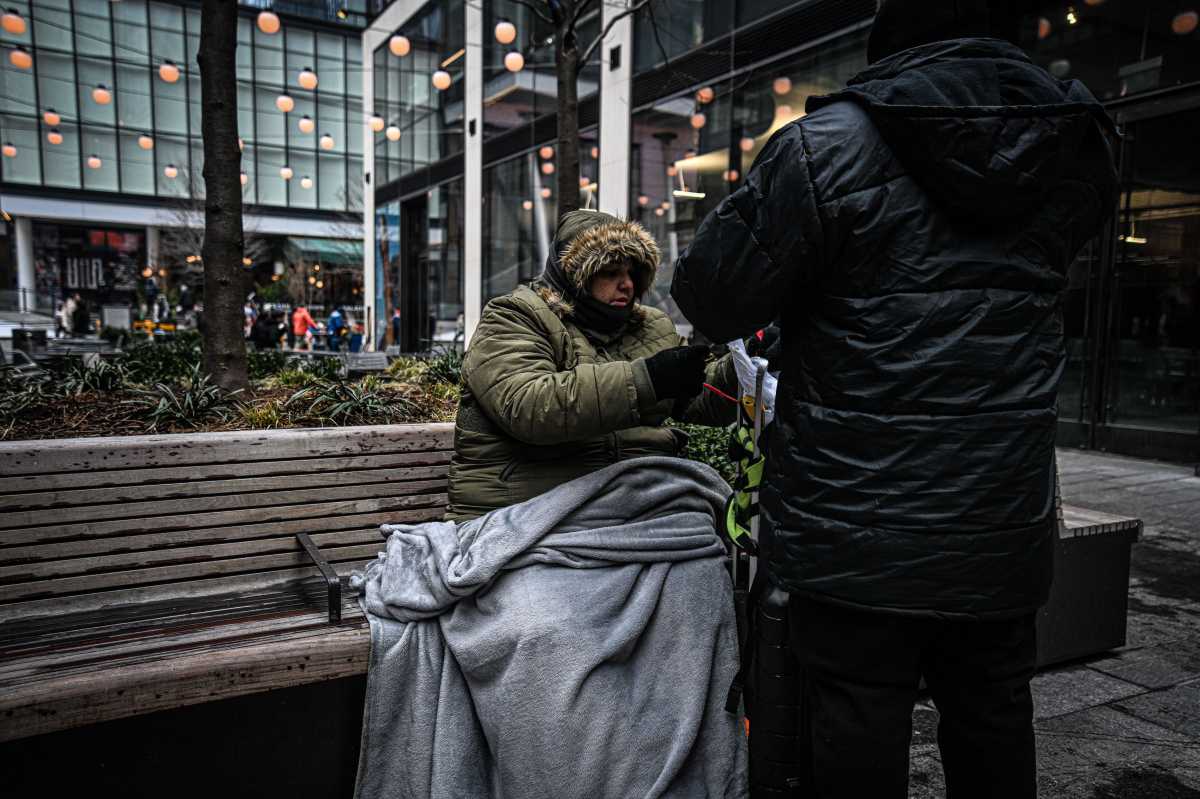
Mayor Zohran Mamdani confirmed reports Wednesday that he intends to restart homeless encampment sweeps after a historic cold snap resulted in the deaths of 20 New Yorkers — reversing his own stance on the policy.
Unlike the city’s previous policy under former Mayor Eric Adams, which charged the NYPD with sweeping homeless encampments, Mamdani will put the Department of Homeless Services in charge — a move in line with his efforts to shift responsibilities such as mental health response and homeless outreach away from the NYPD and toward other agencies.
Mamdani had previously ended the practice of homeless encampment sweeps, a practice of which he has long been critical, saying on the matter during his campaign: “If you are not connecting homeless New Yorkers to the housing that they so desperately need, then you cannot deem anything you’re doing to be a success.”
A March 2025 Gothamist report on the practice revealed that, of the 3,500 people moved out of homeless encampments between January and September 2024, only 114 were moved into shelters.
But at an unrelated news conference Wednesday, Mamdani announced that his administration would be continuing encampment sweeps after pausing the Adams administration’s policy, which he called a “failure,” on Jan. 5.
“I made a decision with my team to put a pause on that prior administration’s policy as we started to develop our own policy that would deliver far better outcomes for the city,” Mamdani said.
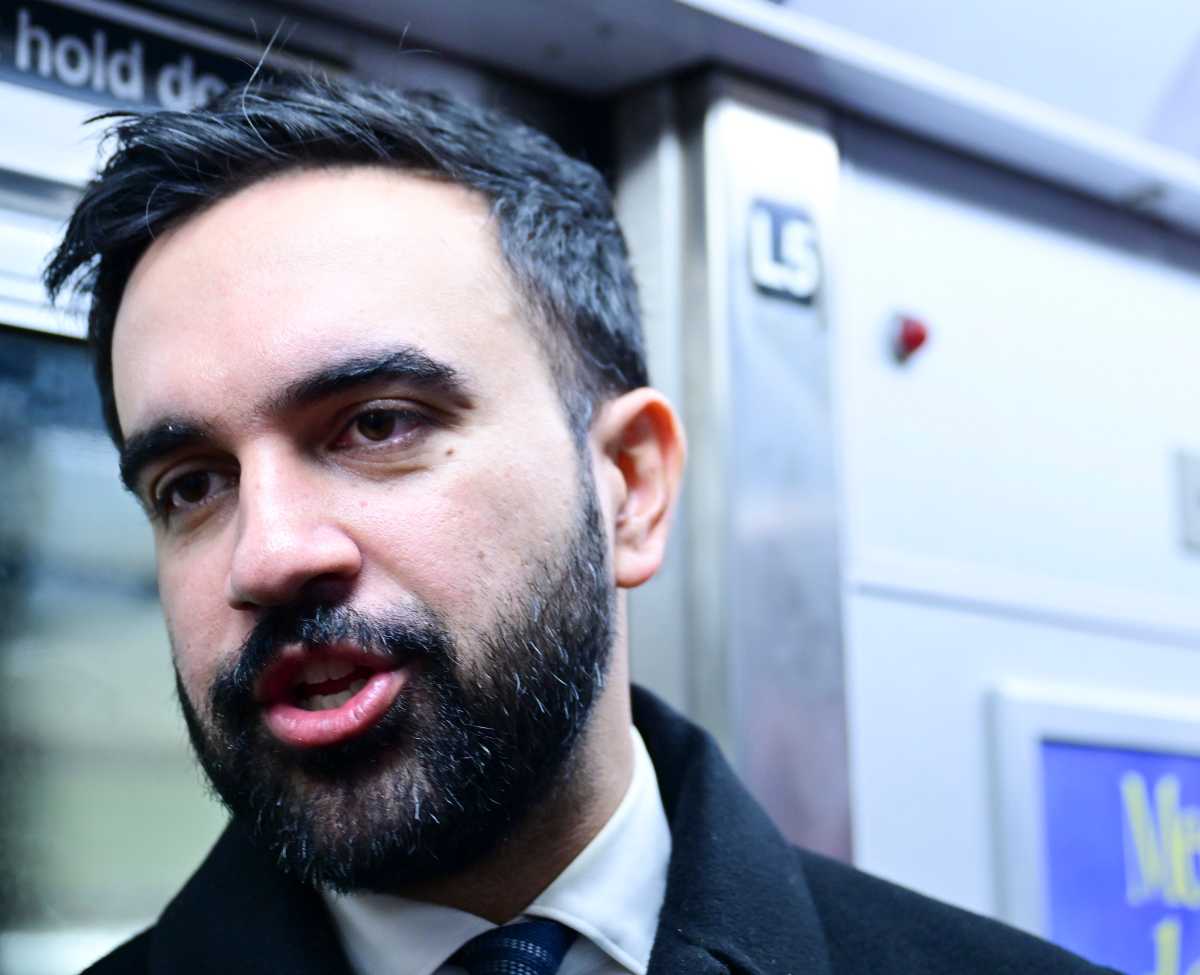
The mayor has faced scrutiny from other city elected officials over City Hall’s response to the prolonged cold snap, which was one of the longest spells of freezing temperatures in the city in recent memory. The administration declared a Code Blue that lasted several weeks, requiring city shelters to accept all people seeking refuge from the cold and triggering additional homeless outreach.
“We knew that that is a policy that we would only deliver on once the prolonged Code Blue came to an end, because, as we know, in a Code Blue, the focus should be on getting homeless New Yorkers inside, not on the question of how we respond to structures,” the mayor said.
City Council Speaker Julie Menin criticized the city’s response to the cold at a hearing on the matter last week. City officials testified at the Feb. 10 hearing that about 22% of Code Blue calls to emergency responders, primarily through 311, were closed without assistance between Jan. 19 and Feb. 10.
Responders sometimes could not find the individual reported by a caller. In other cases, individuals in the cold declined help or were deemed not to need it.
On Wednesday, she told amNewYork that Mamdani’s announcement was “an important step forward.”
“Allowing New Yorkers to stay on the street during extreme weather is inhumane,” she said. “After the Council’s oversight hearings, it was clear that the City needed to take a closer look at how this policy was being implemented. Protecting lives must remain our top priority.”
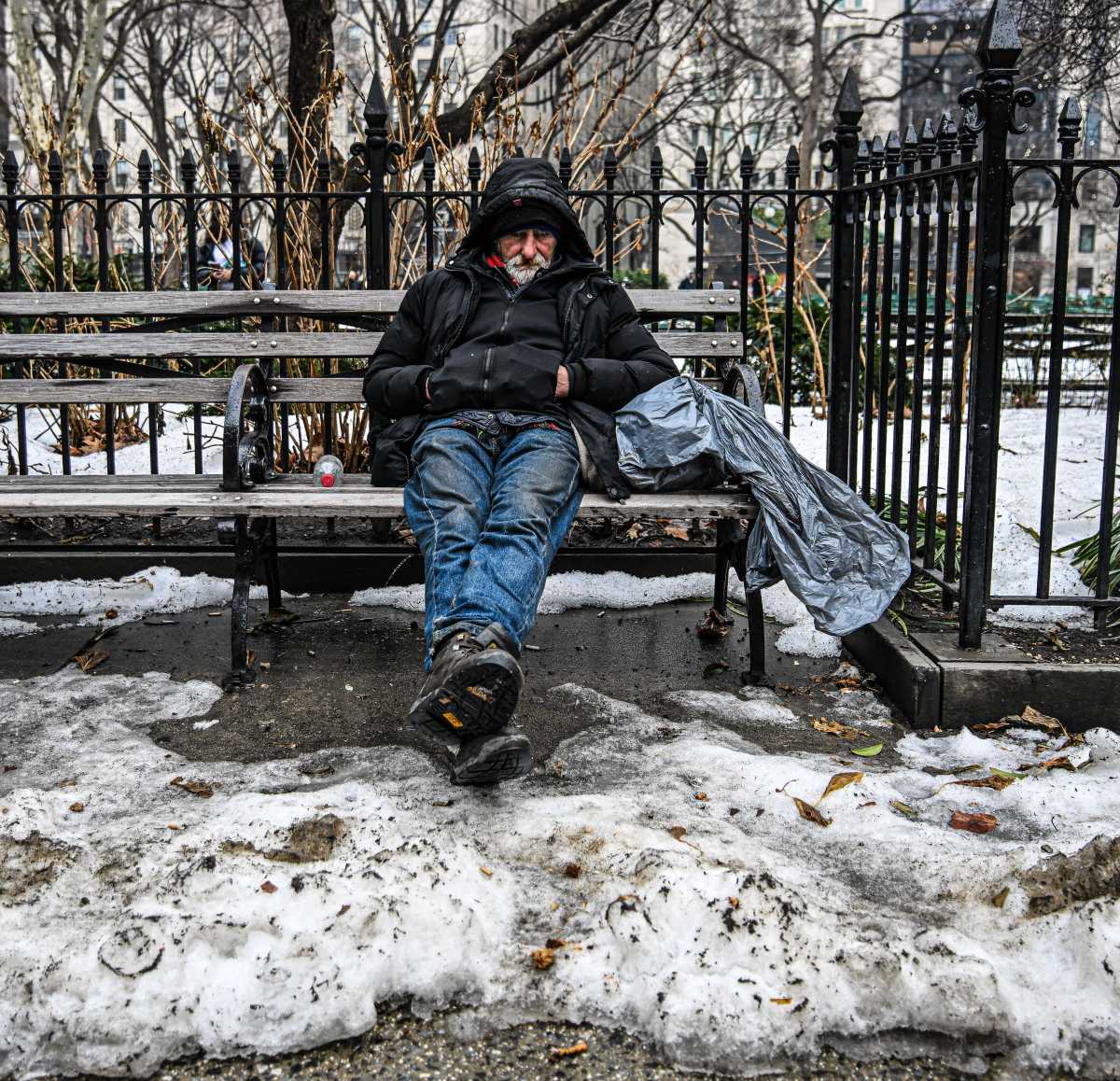
Throughout the cold snap, the Mamdani administration set up warming centers and vehicles, opened private hotel shelter units, and emphasized repeated outreach to get as many New Yorkers as possible inside.
After the New York Post first reported the policy change on Tuesday evening, the Legal Aid Society and the Coalition for the Homeless condemned the shift in a Wednesday morning statement.
“If the Mayor wants to see fewer encampments, the City should expand on the efforts of the last few weeks by increasing the number of outreach workers and offering unsheltered individuals low-barrier shelter beds, such as safe havens and stabilization beds, and immediate access to supportive housing,” the organizations wrote.
Legal Aid and the Coalition for the Homeless called the move “another broken promise” by the administration, citing Mamdani’s recent reversal of his previous promise to expand rental assistance through CityFHEPS.
“These sweeps failed on multiple fronts: they were inhumane, stripping unhoused New Yorkers of their few belongings and eroding trust in city services, and they were ineffective, doing little more than pushing people out of sight,” the organizations wrote.
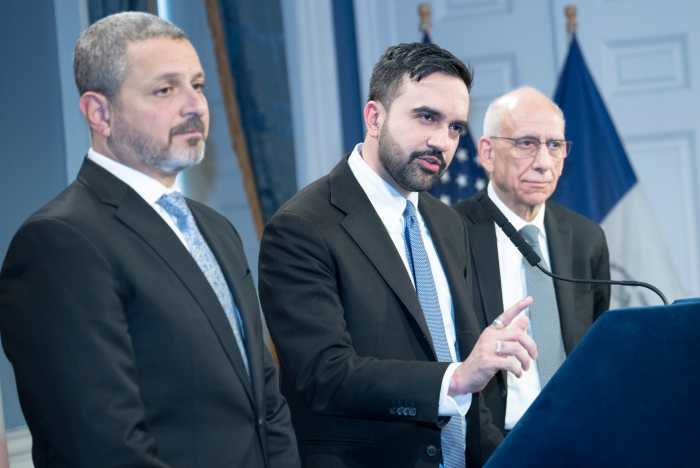
Mamdani said at his Feb. 18 news conference that moving the responsibility to the Department of Homeless Services would fundamentally change the practice, which he said will be “characterized by outreach” going forward.
Outreach teams, after providing initial notice on day one, Mamdani said, will repeatedly continue outreach to individuals in homeless encampments for seven days before initiating a sweep.
The mayor said that “relentless outreach” is essential to connect with homeless New Yorkers who might be skeptical or wary or working with the city to find supportive housing.
Mamdani noted that the city included a proposal for increased funding for homeless outreach in the mayor’s first preliminary budget, released on Tuesday.