

Peek beneath the spectacle of New York City’s creative industry — the viral videos and graphic designs, splashy ad campaigns and photoshoots, films and fashion shows — and you’ll find a constant: freelancers.
New York City is home to over 1 million freelancers, more than a third of our workforce. They are stylists, writers, photographers, designers, models, videographers, and animators. They are the self-starting creatives hustling across every borough, often powering the most influential brands in the most influential city in the world.
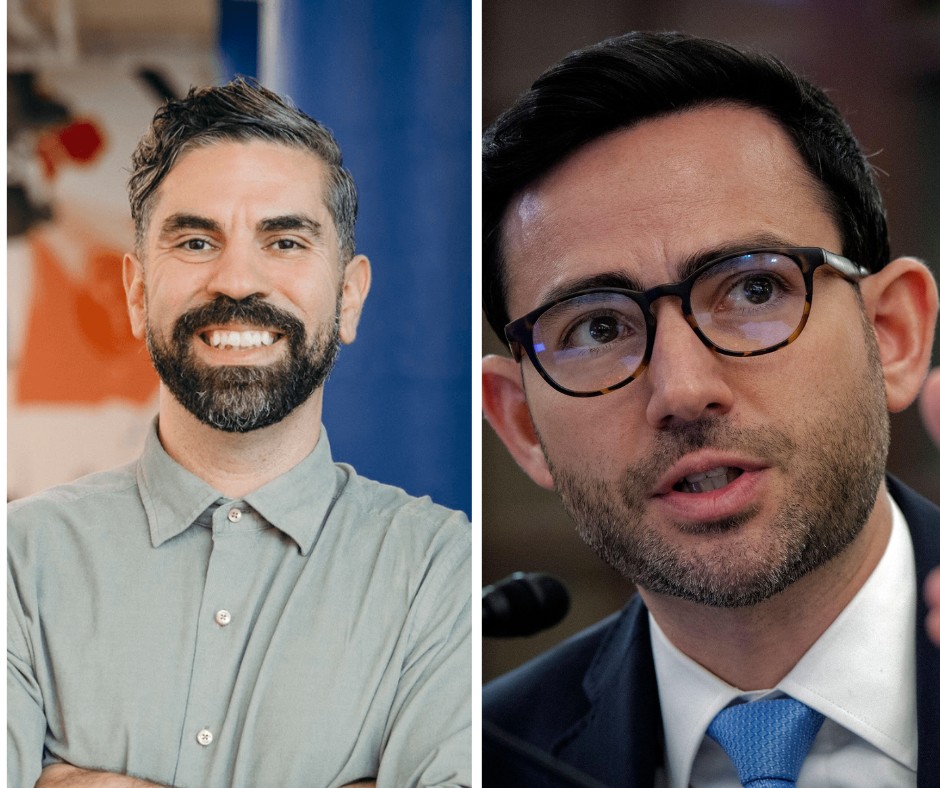
As commissioners of two Mamdani administration agencies working closely with the creative industry, we want to send a clear message to businesses: if you profit from creative labor in New York City, you must abide by the law. And to New York City freelancers: you have a right to be paid on time for your work, and the Department of Consumer and Worker Protection and Mayor’s Office of Media and Entertainment are here to fight for that right.
New York City has some of the strongest freelance worker protections in the country. In 2017, the New York City Council passed the Freelance Isn’t Free Act, which requires companies to provide freelancers with written contracts, timely payments, and redress for damages. Since then, other states and municipalities, like Los Angeles, have followed our lead.
Enforcing the Freelance Isn’t Free Act isn’t just good policy – it’s making a real difference in people’s lives. Consider Splashlight, a creative content production agency whose clients have included some of the world’s most recognizable brands, including Amazon, Nike, and Target. After over two dozen freelancers reported chronic late payments last year to DCWP, the city launched an investigation into the company’s practices. We uncovered a business model that treated freelancers as expendable and payment timelines as mere suggestions — textbook violations of the law.
Splashlight, we found, fulfilled less than twenty percent of its contracts on time. Hundreds of freelancers were paid late — or not at all. That’s why DCWP recently secured a $528,817 settlement with the company to compensate workers. This settlement will fully compensate New York City freelancers who were not paid initially and will provide additional compensation to freelancers who were paid late.
Freelancers generate over $1 trillion annually to the U.S. economy. Yet, for all the benefits that freelance work brings, what happened at Splashlight was not an anomaly: three-quarters of freelancers nationwide report not being paid on time. It’s the unfortunate result of an opaque system that, under the guise of worker flexibility and autonomy, has concentrated economic power at the top while diffusing responsibility for workers at the bottom.
Increasingly, major corporations have found new ways to skirt labor protections, subcontracting creative work through layers of intermediaries—management agencies, platforms, and third-party vendors. In practice, this creates a vacuum of accountability for the safety and rights of workers. When freelancers become dependent on nebulous contracts and arbitrary payment terms, the largest corporations evade responsibility while workers are left hung out to dry.
The City’s investigation into Splashlight laid this reality bare, but the future of work is not predestined to be this way. Not while we’re in charge, and not with the Freelance Isn’t Free Act as the law of the land. Under Mayor Mamdani, New York City is committed to ensuring that companies like Splashlight can’t rip off hardworking freelancers.
That starts with clear standards. Freelancers deserve certainty around payment timelines, intellectual property, dispute resolution, and fundamental workplace protections.
It also requires robust enforcement. There are consequences for businesses that subvert the Freelance Isn’t Free Act. In this administration, there will be penalties for lack of compliance with the law, just as with Splashlight.
As we are inundated with AI-slop content, this moment calls for real, substantive investment in creative careers and skills. Freelancers thrive when they can access training, opportunities, and networks that keep pace with evolving industries. Supporting creative workers means supporting the very fabric of New York City, the very promise of what it means to make it here.
Some have argued that the Freelance Isn’t Free Act stifles business. That’s false. A fair, transparent labor market builds trust—and trust fuels growth. Businesses that value creative labor should welcome clear, enforceable rules that reward ethical, consistent conduct. New York, after all, has always been a city built by independent thinkers and creative risk-takers. The question isn’t whether freelancers deserve protection, but whether a city that flourishes on their labor can afford not to protect them. The answer is clear as day to us.
When you see a luxury billboard towering over midtown Manhattan, your favorite new television series shot in Brooklyn, or a global brand campaign born out of a NYC production studio, we want you to know this: freelancers were there. It’s our job to make sure they’re paid, protected, and treated with dignity. In this new era of worker justice, we will.
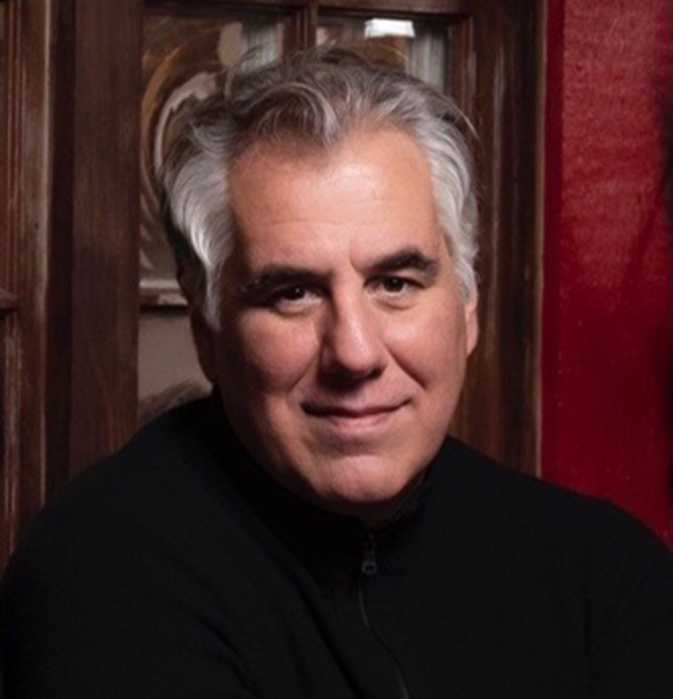
Rafael Espinal is commissioner of the New York City Mayor’s Office of Media and Entertainment and former executive director of the Freelancers’ Union.
Sam Levine is commissioner of the New York City Department of Consumer and Worker Protection.