

Approval of all three New York City-area casino proposals became official on Monday when the state Gaming Commission green-lit plans for full table games and billions of dollars of new investment at three sites in Queens and the Bronx.
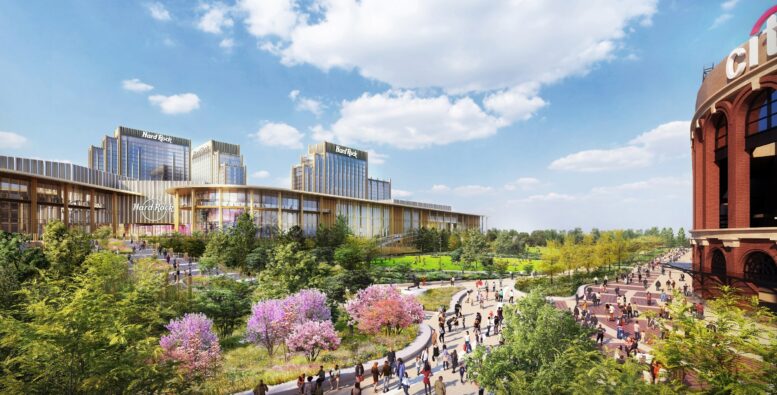
The impending opening of the new casino and other amenities at Resorts World New York City in South Ozone Park, Metropolitan Park near Citi Field in Flushing, and Bally’s at the former Trump Links in the Bronx, is projected to generate $7 billion in tax revenue to the state over the next decade. This new revenue stream will largely be split between public schools and the MTA.
The three new NYC-area casinos will provide yet another big revenue stream for the MTA, which also collects billions of dollars in fares from riders every year — a figure that will grow in 2026 when the latest round of fare hikes takes effect.
The MTA has also gained hundreds of millions of dollars more this year through the congestion pricing program in Manhattan and is gaining support for its ambitious five-year capital plan through funding from a payroll mobility tax increase that the state Legislature and Gov. Kathy Hochul approved earlier this year.
With the MTA among the big winners out of the years-long casino bidding process, it’s time for the authority to share those winnings with the riders in the form of improvements beyond those outlined in the capital plan — which includes upgrading subway cars and buses, expanding subway station accessibility, and building out the Interborough Express (IBSX) light rail line.
One such additional investment should be made toward enhancing safety on subways and inside stations, as well as on public buses.
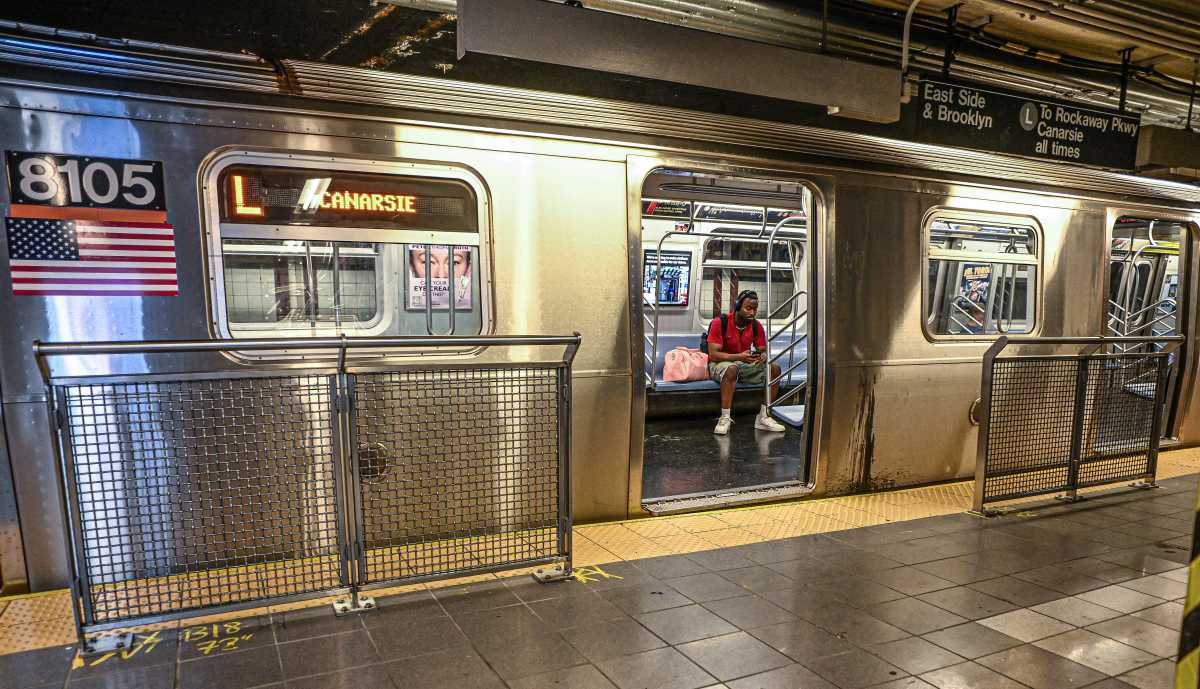
This should include hiring additional security personnel to patrol the stations, buses and cars, and the installation of floor-to-ceiling platform barriers at high-traffic stations such as Times Square, Herald Square and Atlantic Avenue-Barclays Center to prevent people from being pushed or falling onto the tracks (the MTA reports 150 people are struck by trains every year).
Another improvement should be working with the city not only to expand the bus route network but also to implement new Express and Select Bus Service (SBS) routes serving transportation deserts such as eastern Queens, southern Brooklyn and the eastern Bronx — providing quicker service to and from Manhattan for residents lacking easy access to subway and commuter rail.
Efforts to expand commuter rail service where feasible could also be funded through casino-generated revenue. This may be particularly helpful for Brooklyn and Queens communities served by the Long Island Rail Road. Adding new stations and more trains along existing or underused lines can be a real boon for all residents and businesses.
New York City casinos can make some big winners in the years ahead. The millions of commuters moving through the city every day should be among them.