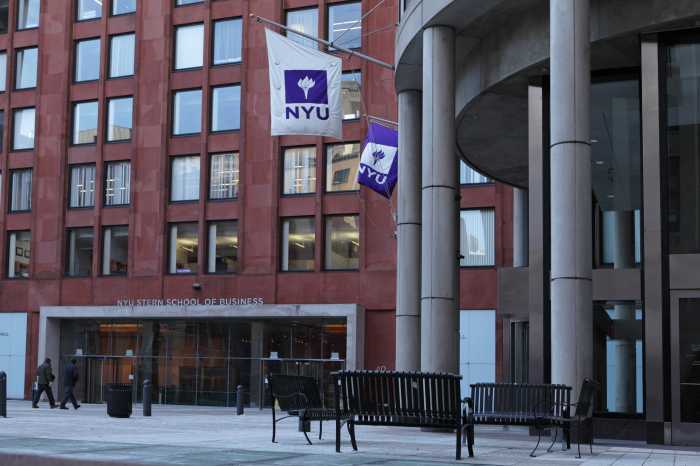



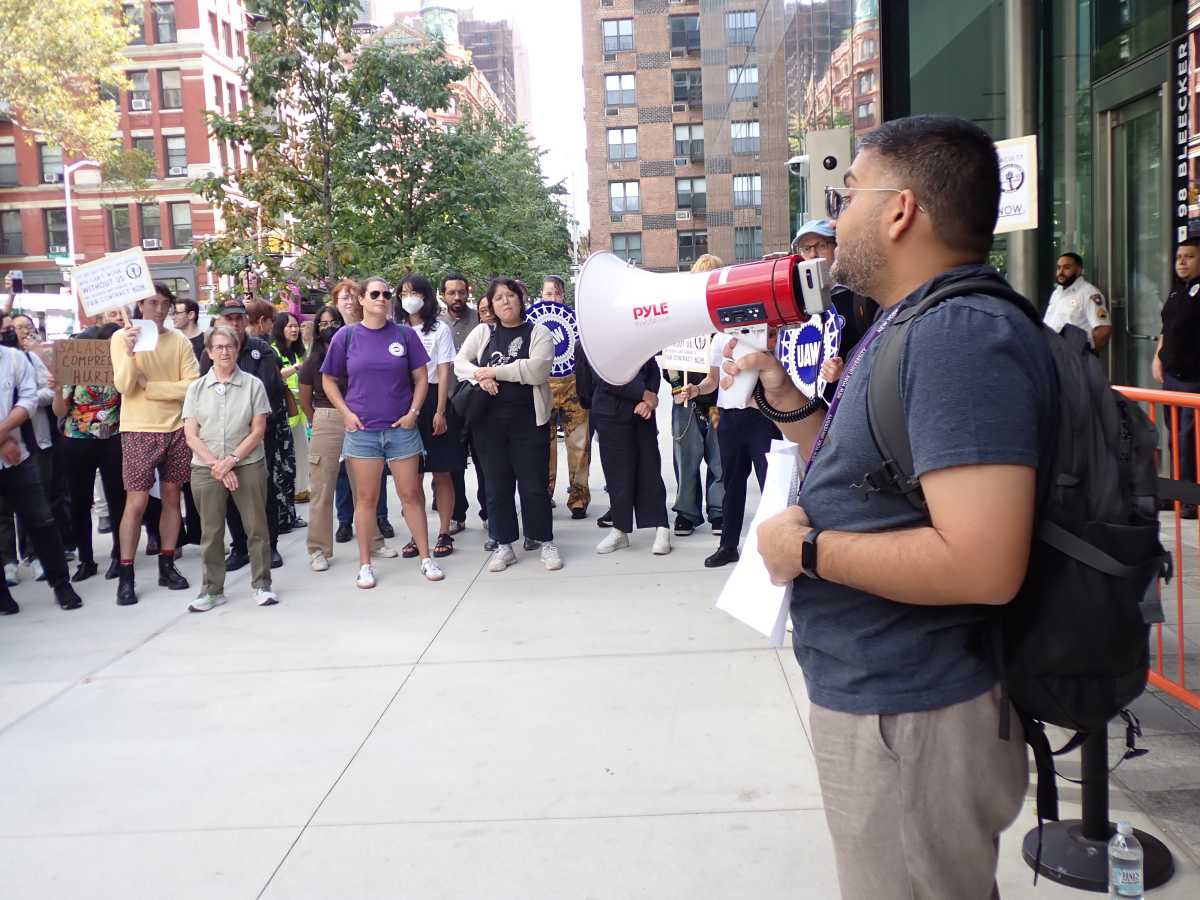
New York University (NYU) faculty, including associate professors, could walk off the job as early as next month if their union and university management do not see eye-to-eye on contract negotiations soon.
Contract Faculty United (CFU) – UAW, the union of full-time, non-tenured faculty at NYU, has threatened school leadership with a strike authorization vote if the administration continues to “slow walk” negotiations.
This would be the first contract for the professors since their union was formed in February 2024. The union and administration have held 22 bargaining sessions so far.
Jacob Remes, an elected member of the union’s bargaining committee, told amNewYork that management has continued to delay, reject, or ever-so-slightly move on the educators’ demands, which he said are not unreasonable and on par with staff benefits at other institutions. The demands focus on compensation, job security, academic freedom, artificial intelligence, and workload.
Remes explained that the union’s wages lag far behind those of its tenured colleagues. Members are asking the administration for a fairer compensation structure that addresses salary compression and corrects inequities to match the city’s cost of living.
“Our lowest-paid colleagues are paid less than post-doctorate fellows at Mount Sinai and Weill Cornell,” the professor said. “And, there is a really sizeable pay gap between men and women, and between White professors and professors of color.”
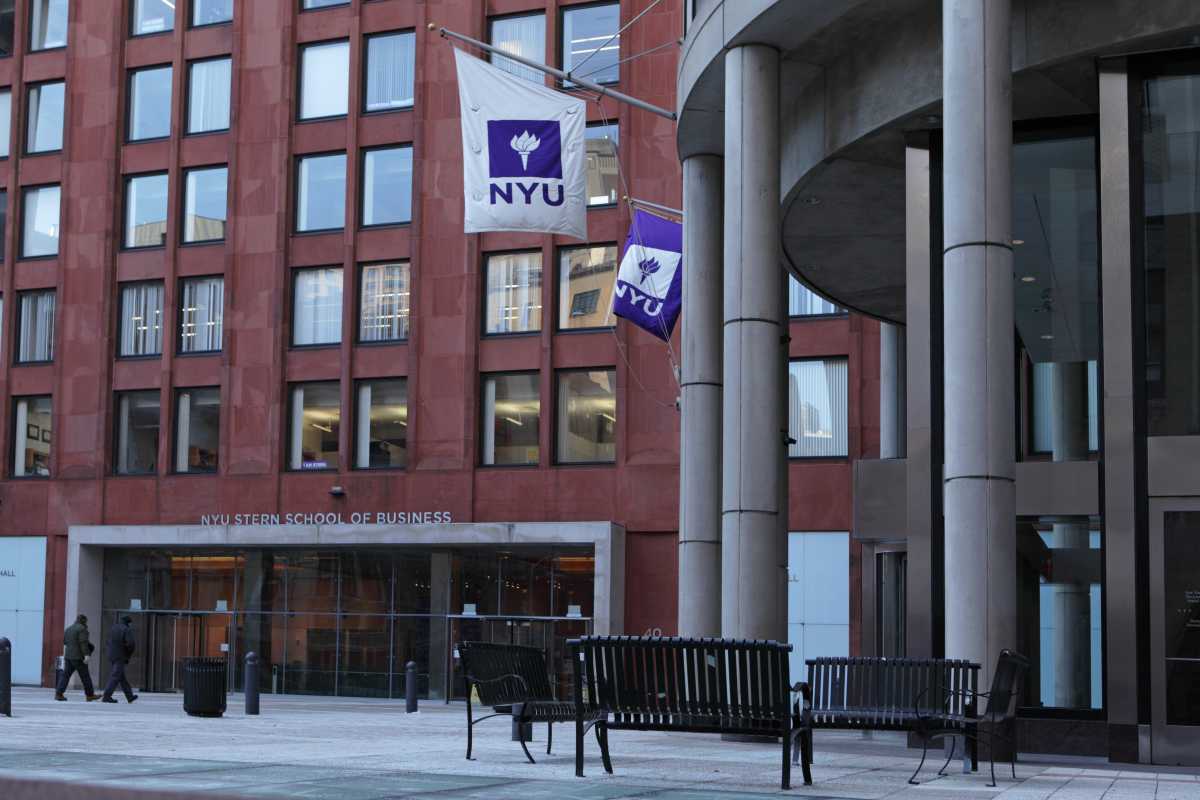
According to the union, members’ work generates about 23% of NYU’s tuition revenue, excluding schools where they do not teach, but their salaries are just 2% of the school’s salary expenditure.
The union has been actively bargaining with the NYU administration since Nov. 1, 2024—nearly 15 months ago.
Though it is not unusual for a first contract to get off the ground, Remes, who is also a clinical associate professor of history, said this one stands out because the administration is not providing much in the way of counterproposals.
“When they do, they make tiny little movements,” he said. “It has been disappointing.”
NYU professor says academic freedom is on the table
Elisabeth Fay, a clinical associate professor in the expository writing program, faculty of arts and science at the school, explained the reasons behind fighting for academic freedom, which refers to the liberties of faculty to teach, research, and publish without outside interference from entities including administrations or boards of trustees.
“Education is under attack across the United States, and the NYU administration needs to decide which side they’re on,” Fay, who is another elected member of the union’s bargaining committee, said. “The administration has an opportunity to stand with faculty and students by protecting the integrity of research and teaching at NYU. Our union is fighting to ensure that academic decisions will continue to be made by faculty experts, and not over-reaching administrators or politicians.”
Management responds
amNewYork contacted NYU’s communications office to inquire about the negotiations and counterproposals. Joseph Tirella, a spokesperson for NYU, said the school has made multiple offers that would put union members in an advantageous position.
“NYU has already made generous proposals that would position its unionized contract faculty at or close to the top of the market in terms of wages and benefits, including minimum salaries that are among the highest for unionized contract faculty in the nation,” he said.
Tirella added that the union’s salary demands are “dramatically out of step” with settlements reached with contract faculty bargaining units at other universities, noting that their concessions have been minor.
“NYU reiterates its call for the CFU to agree to mediation, which the union has repeatedly rejected,” he said. “Both sides owe it to NYU’s students to agree to enlist a mediator before a potential disruption to the students’ education.”
Tuition for a standard four-year undergraduate at NYU starts at about $65,000 a year.
Both the administration and union have another bargaining meeting on Jan. 30. Contract talks will resume, but if the administration does not respond, the union could vote to strike.
“We’ll keep assessing, and if we think they aren’t making movement, then we will call a vote. Then we’ll see what happens,” Remes said.
He added that the strike is a last resort if talks do not get moving.
“We love our students. We don’t want to disrupt the university,” Remes said. “All of us went into this profession because we really care about our students, about research, about the arts. No one becomes a professor to become rich. But we do expect to be able to live and raise a family in the city where we are teaching.”