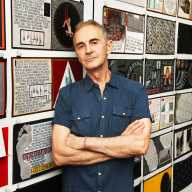



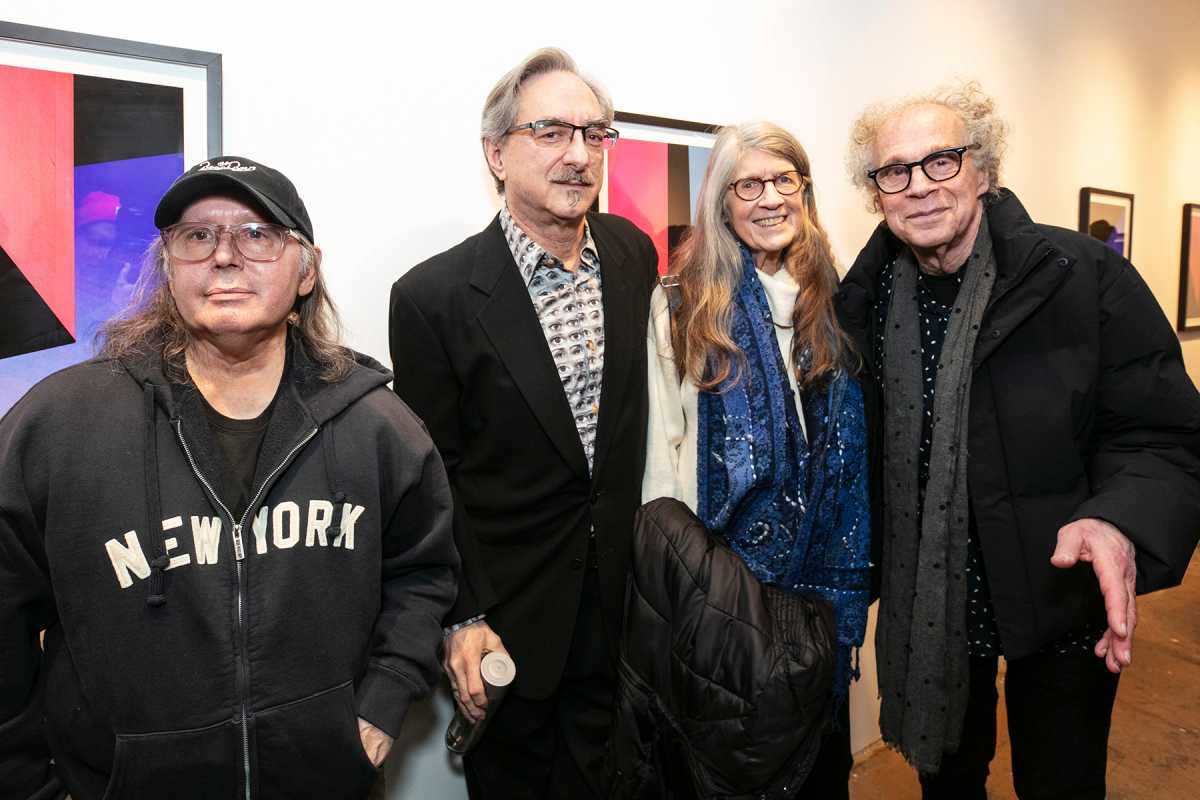
Bob Krasner has spent years training his eye to resist the obvious. While the city screams for attention, his photography work insists on quiet.
The result is a photographic practice rooted in restraint, patience, and a near-radical commitment to looking slowly. His latest body of work, unveiled last week and now on view through Feb. 22 at Ki Smith Gallery on the Lower East Side, feels like a controlled exhale inside one of the most visually aggressive environments on earth.
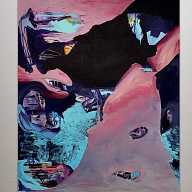
These photographs emerge from Times Square, yet they refuse its mythology. Krasner’s images are not about crowds, scale, or spectacle. They are about isolation within excess. Working from a fixed location, he turns his attention to billboard surfaces, cropping tightly, abstracting relentlessly, and allowing color, light, and geometry to do the heavy lifting.
What remains are compositions that feel closer to painting than documentation. Noise collapses. Serenity arrives.
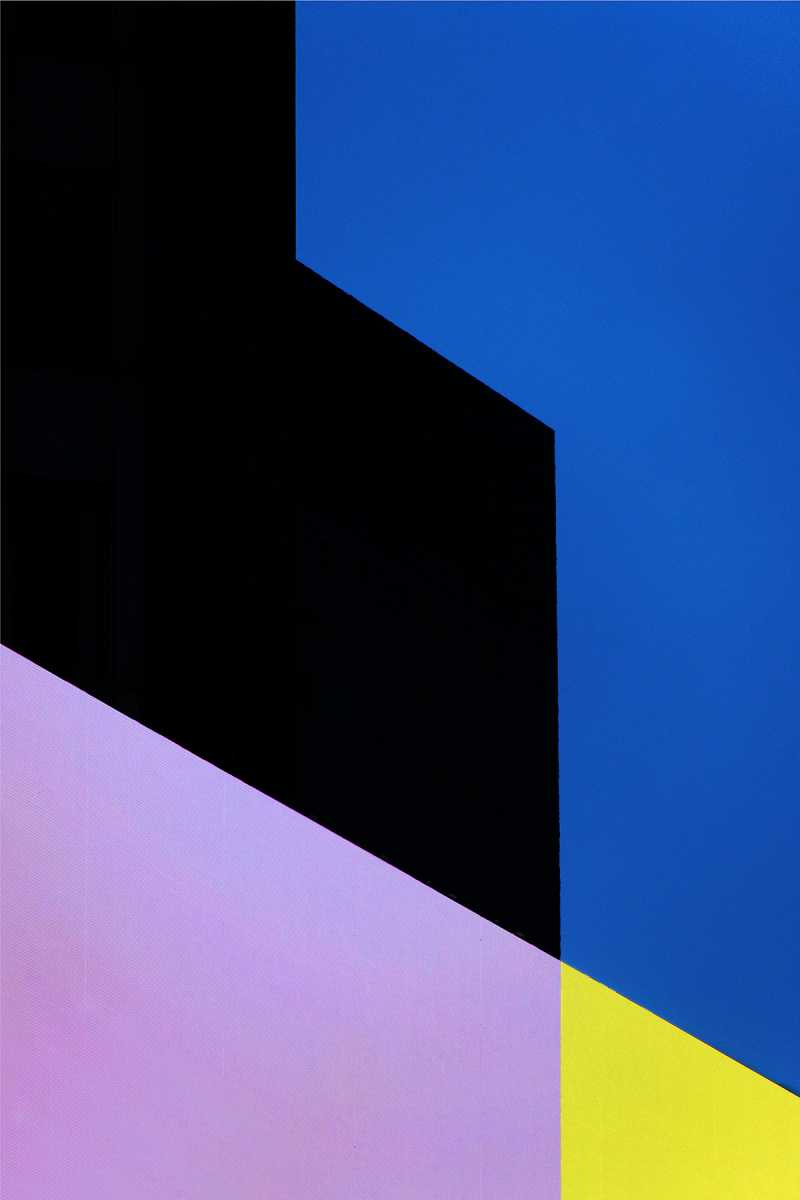
As Krasner, a freelance contributor for The Villager, shared in our recorded interview, this project is a natural progression from the minimal city views he has been refining for years, but it is also more focused and more demanding. Times Square is one of the most visually overloaded places in the world. Finding quiet there is not accidental. It requires discipline.
These are views of Times Square that have not been seen before because they require sustained looking rather than consumption.
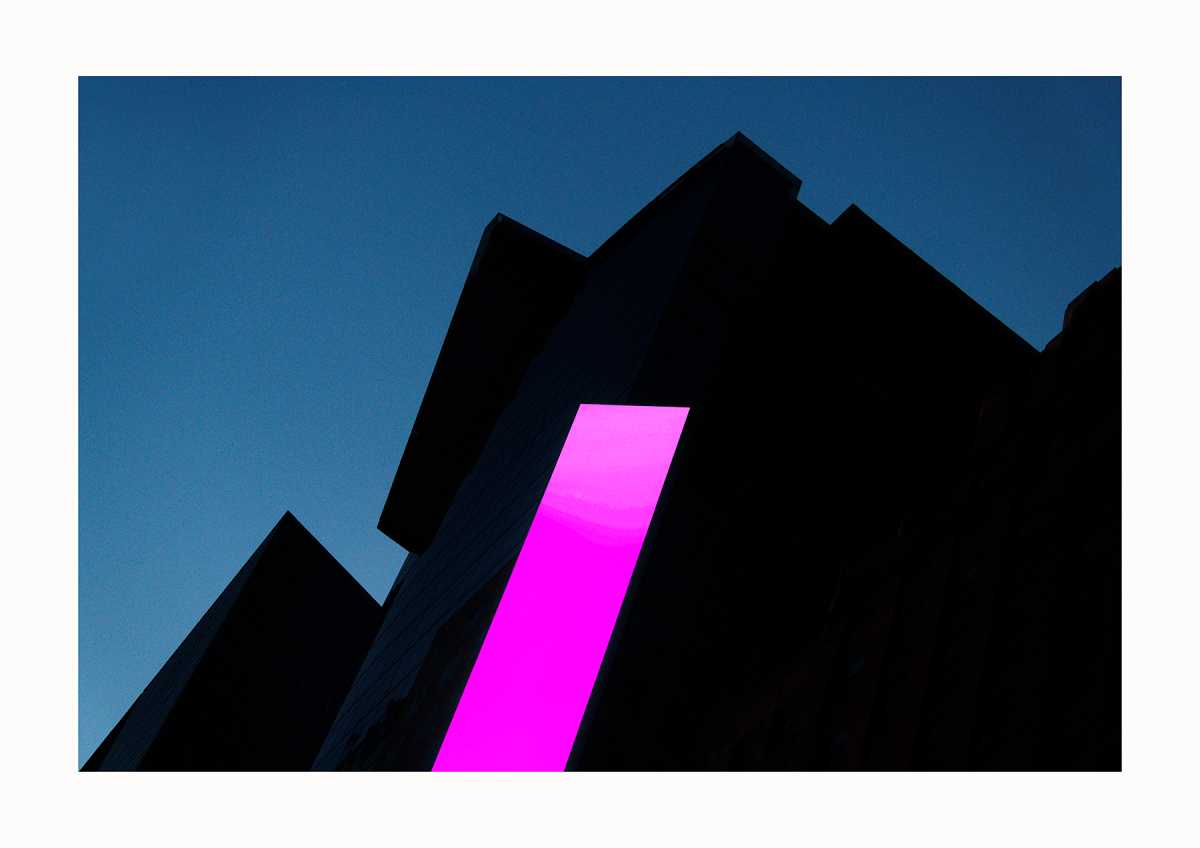
This exhibition marks the first time these images have been shown together, and their collective strength is undeniable. Seen as a group, the work reads as a single visual argument for reduction. Color fields replace signage. Fragments replace narratives. The photographs hold space rather than filling it.
Krasner envisions the series living at a monumental scale—four-by-six-foot face-mounted prints that allow color and surface to assert themselves fully. The ambition feels precise rather than inflated. These images want room. They want walls that let them breathe.
Music runs quietly through the work, particularly jazz, which Krasner cites as a key influence. The connection is structural rather than literal. Timing matters. Silence matters. Restraint matters. His admiration for photographers such as Lee Friedlander, Arnold Newman, and Ralph Gibson is evident in the intelligence of the framing and the confidence of omission. Nothing is accidental. Nothing is decorative.
Krasner is equally clear-eyed about where this work belongs next. He sees it living in public-facing spaces—corporate offices, hotels, environments where people linger rather than rush. He is open to commercial representation and views this project as a foundation for a future book, ideally with a more established publisher. The clarity of that vision mirrors the clarity of the work itself.
In a city addicted to saturation, Bob Krasner has made photographs about restraint. He has extracted calm from chaos and abstraction from overload. At Ki Smith Gallery, that discipline reads not as minimalism for its own sake, but as conviction. These images do not compete with Times Square. They outgrow it.
For more information, visit Krasner’s Instagram account. @bobkrasner