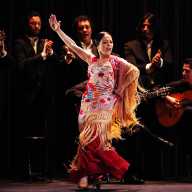



Last week at the David Geffen Hall did not whisper its arrival—it blazed. The ceilings were draped in imperial red and molten gold, fabric cascading into shimmering lunar chandeliers that seemed to hover like suspended harvest moons above the crowd. The entire hall glowed as if lit from within, a cathedral of silk and sound welcoming the Year of the Horse with unapologetic splendor.
From the first downbeat, this was not simply a program—it was a cultural embrace rendered orchestral.
Elliot Leung’s Chinese Kitchen crackled to life with percussive bravado. One could almost hear the ecstatic hiss of a thousand sesame seeds colliding with hot pans, the rhythm snapping and popping with culinary joy. The expanded percussion section felt theatrical, deliciously audacious. Aromas seemed to vault from stage to balcony. The music was textured, celebratory, profoundly rooted—proof that culture can be translated into vibration.
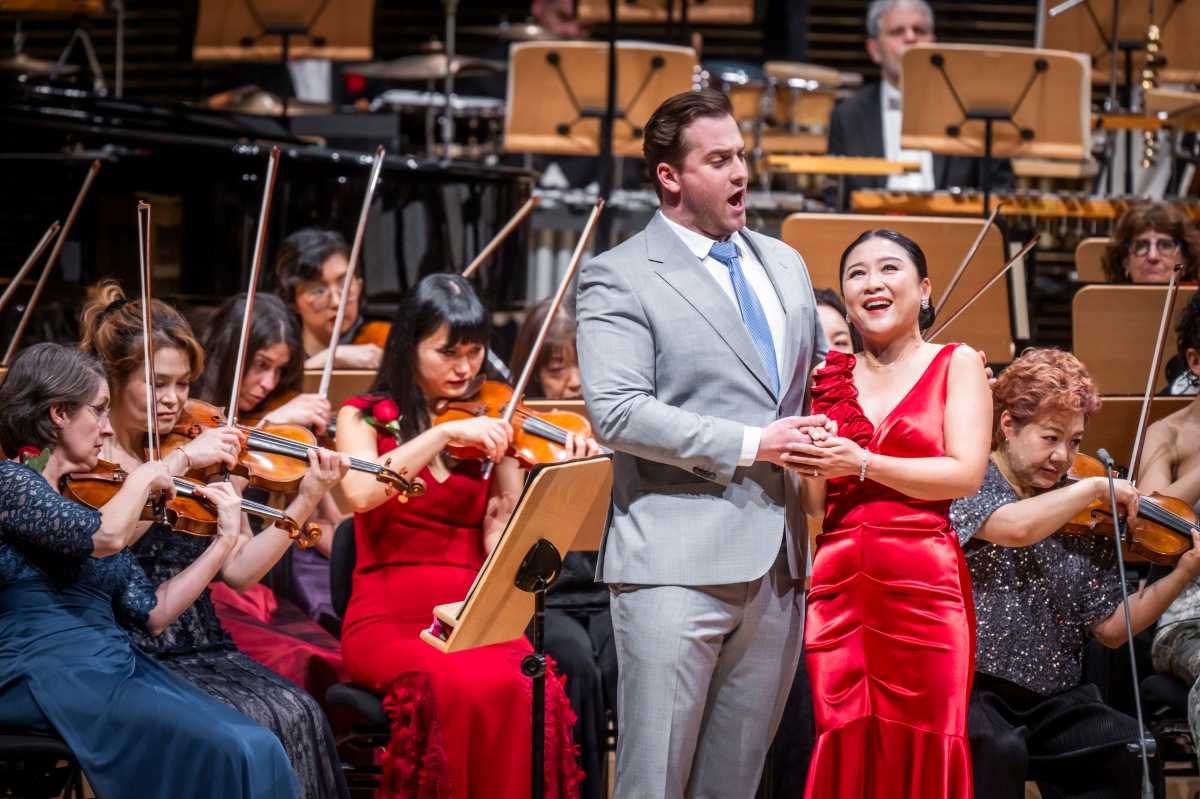
Then Rossini arrived, warm and familiar, like a beloved guest who knows precisely how to charm a room. Soprano Kathleen Kim delivered Una voce poco fa with crystalline mischief and technical supremacy, her voice ringing through the hall with bell-like brilliance. Diamonds caught the red-and-gold light and scattered it across the audience as she soared, sumptuous sound pouring from a frame that radiated both elegance and command. Grandeur, distilled and incandescent.
Baritone Andrzej Filończyk matched that energy with a charismatic Largo al factotum, his performance rich with theatricality and masculine flourish, reminding us that opera is at once athletic and intoxicating.
Then… Hasibagen.
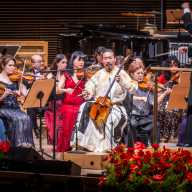
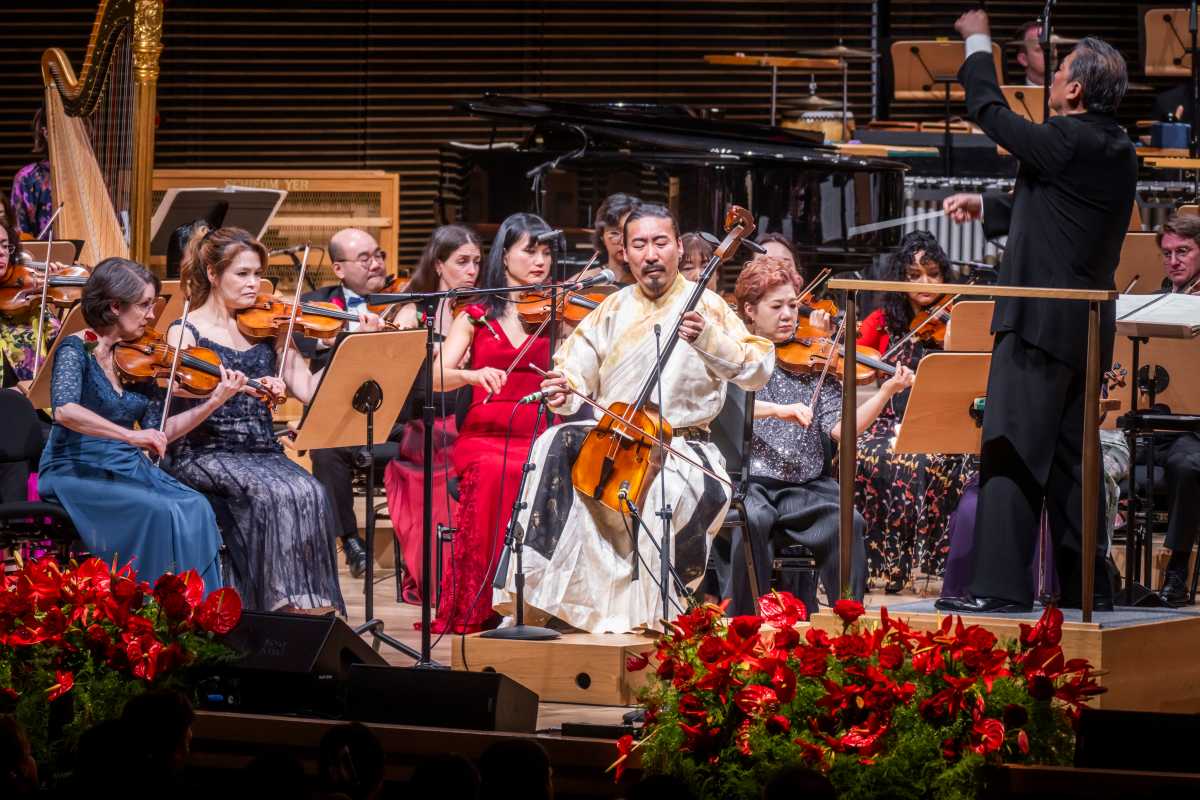
Hasibagen stepped forward with the morin khuur, that horsehead-shaped instrument steeped in Mongolian history, and something ancient stirred in the room. His guttural vocalization was met with an immediate, reverent hush. A smile gripped my lips—half astonishment, half gratitude—for I had never experienced anything quite like it. When the orchestra entered beneath his tone, the sound expanded into vast emotional plains: longing, migration, endurance, triumph. It felt elemental, as though the wind itself had joined the Philharmonic.
Conducted with expansive authority by Long Yu, the orchestra moved between continents with seamless conviction, weaving Copland, Rossini, Bernstein, and traditional works into a tapestry that felt global yet intimate.
I must confess: Huang H.’s Horse Racing, arranged by Xiao F., was visceral and damn good fun. It galloped. It thundered. It persuaded. The strings tore forward with reckless joy, percussion snapping at their heels. Music has a persuasive element when it is played with that kind of abandon—it takes hold of the body before the mind has time to intellectualize it. I had a hard time keeping my heels from clicking against the floor in rhythm. The urge to move was irresistible. Civilization may demand composure; rhythm demands surrender.
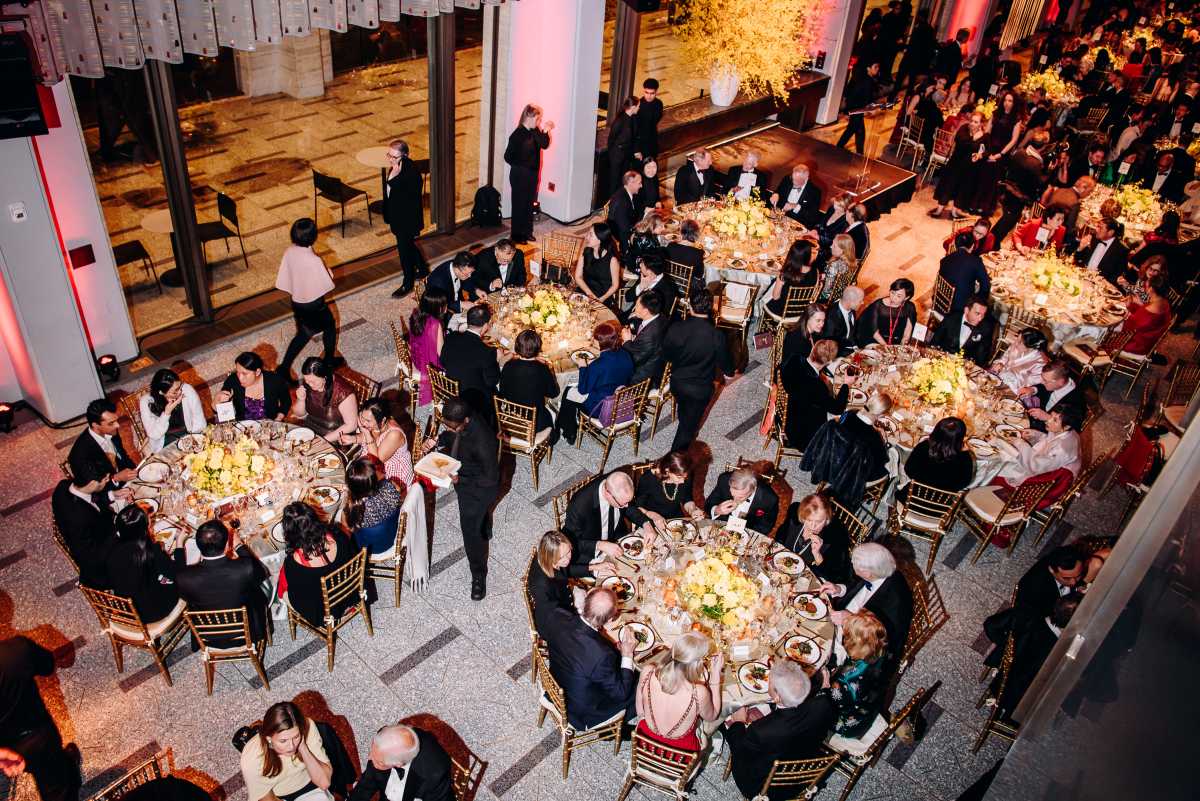
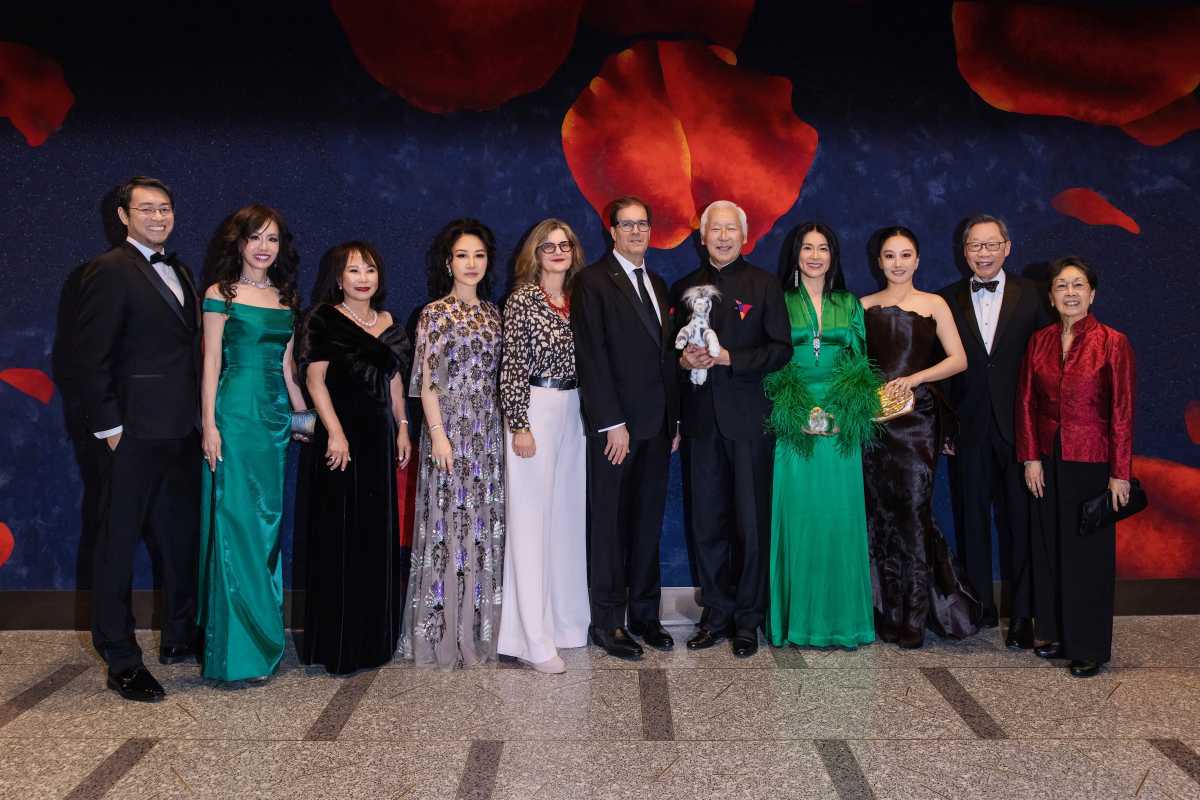
Dinner unfolded in full flourish before the evening’s formal reflections. Beneath the glow of those lunar chandeliers and in the playful company of a stuffed horse named Genghis, we sipped martinis that caught the candlelight like liquid crystal and were served rice cracker–crusted char, delicate and celebratory in equal measure. The table felt like an extension of the stage—culture not only performed, but tasted.
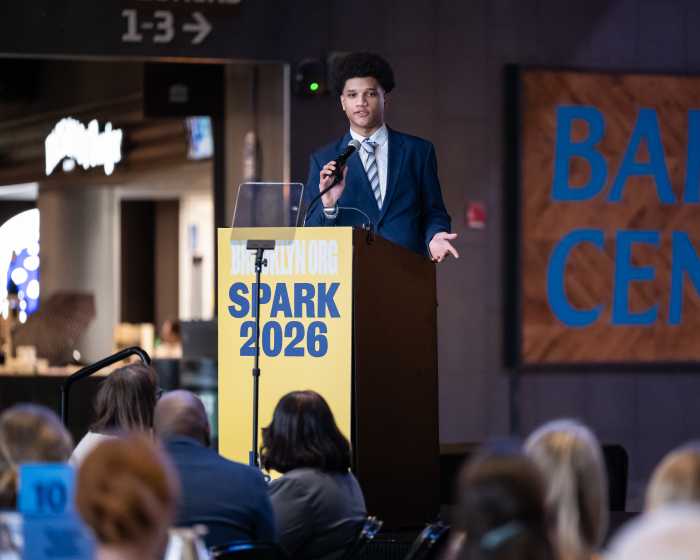
It was during this elegant procession of courses and conversation that Oscar L. Tang rose to speak, offering words that carried the quiet gravity of a patron who understands that art is not decoration, but destiny. He spoke of music’s transcendental force—its ability to elevate humanity beyond the temporal, to dissolve division, to remind us of our shared interior life. Art, he insisted, is infrastructure for the soul.
The truth is this: institutions like the New York Philharmonic are not static monuments to tradition. They are living organisms, evolving cultural engines that absorb the world’s histories and rearticulate them in sound. Their willingness to expand repertoire, to honor ancestral instruments beside Rossini and Bernstein, to drape their ceilings in red and gold and invite the globe into their resonance—that evolution is essential.
The Philharmonic’s future depends on this expansive embrace. So does ours.
Transcendence does not happen in isolation. It requires institutions bold enough to stretch, patrons courageous enough to believe, and audiences willing to be moved beyond the predictable. When those forces converge beneath one gilded ceiling, music becomes more than performance. It becomes passage.
Year of the Fire Horse, indeed—and may we continue to ride forward.
NYPHIL.ORG