

Voters want what every great city needs: affordability, safety, and basic quality of life.
This is bigger than Albany bureaucracy — it’s about lives
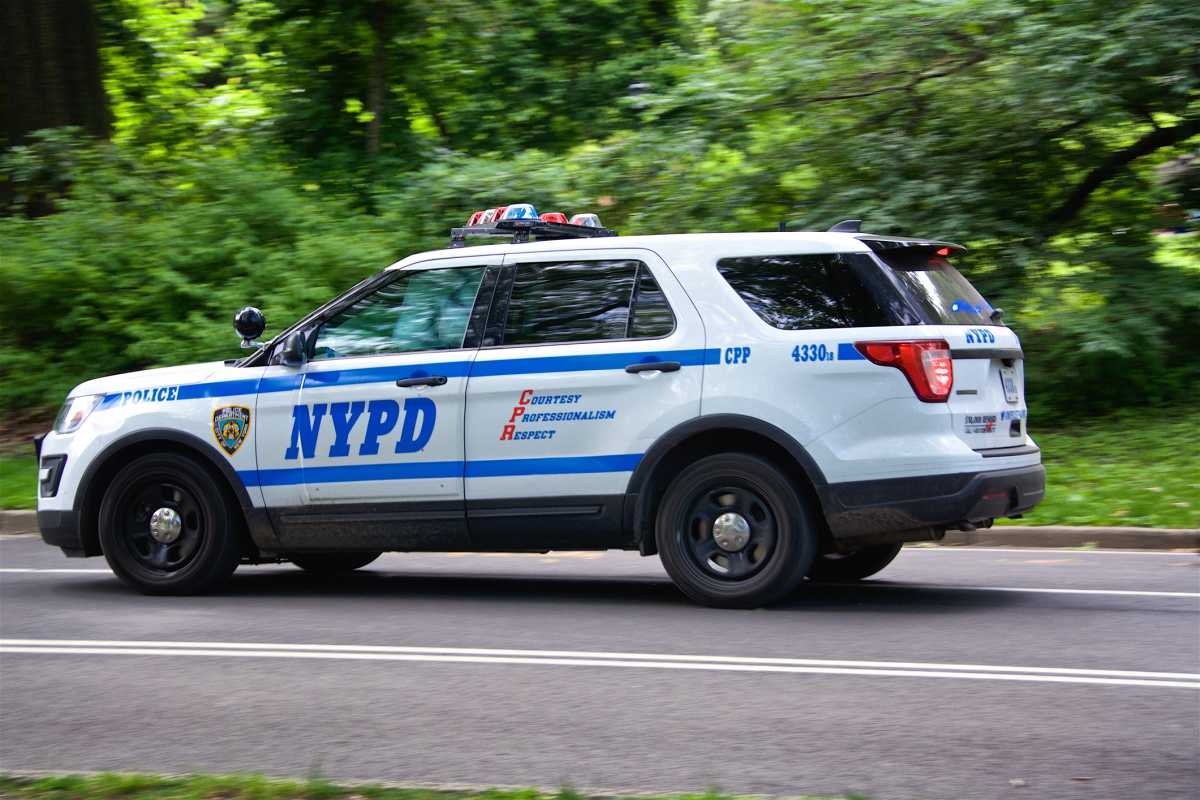
Supporting our brave officers shouldn’t mean ignoring the small number who tarnish the badge. For years, police with repeated, verified histories of lying, coercion, and abuse have funneled innocent New Yorkers — including disabled residents — into a justice system that rarely fixes its own mistakes.
This isn’t ideological. It’s a moral crisis.
The issue isn’t policing — it’s the officers who refuse to honor their duty and make the job harder for everyone. Many get away with misconduct, but many more have been identified clearly and publicly by the New York State Attorney General.
When AG Letitia James created the Law Enforcement Misconduct Investigative Office (LEMIO) in 2022, it finally named “Pattern Misconduct Officers”: individuals with five or more verified complaints whose records taint every case they touch. But Albany gave LEMIO a mandate without enforcement power.
LEMIO can flag misconduct — but district attorneys aren’t required to act on it. Many don’t. And New Yorkers pay the price.
Albany is letting misconduct hide in plain sight
LEMIO only reviews two years of misconduct. If you were arrested a decade ago by the same officer, you have no guaranteed right to a review. Unless you can afford years of litigation, justice is out of reach.
That’s not how fairness or safety works in a world-class city.
A common-sense fix
The solution is simple:
-
When an officer is designated a pattern misconduct officer, DAs must review linked cases within 60 days.
-
Anyone currently on trial must receive a mandatory bail hearing within 30 days.
This would be the first time prosecutors are legally obligated to act when the state deems an officer unreliable. That’s not radical, it’s being a responsible government.
New Yorkers must speak now — because 2026 is already here
As a communications strategist, I’m ringing the alarm: 2026 will arrive far faster than Albany wants to admit. The political calendar moves faster than the public realizes — which is why voters must demand accountability now, not next session or next summer.
When New Yorkers call, email, post, organize, and speak with volume and clarity, Albany listens. That’s how public safety conversations change. That’s how disability protections strengthen. And that’s how the voices of families harmed by misconduct finally break through the noise.
If New Yorkers want real reform — mandatory review of tainted cases, consequences for officers with documented misconduct, and equal justice for disabled residents — this is the moment to campaign. Not in 2026, not after the primaries. Now is our moment.