


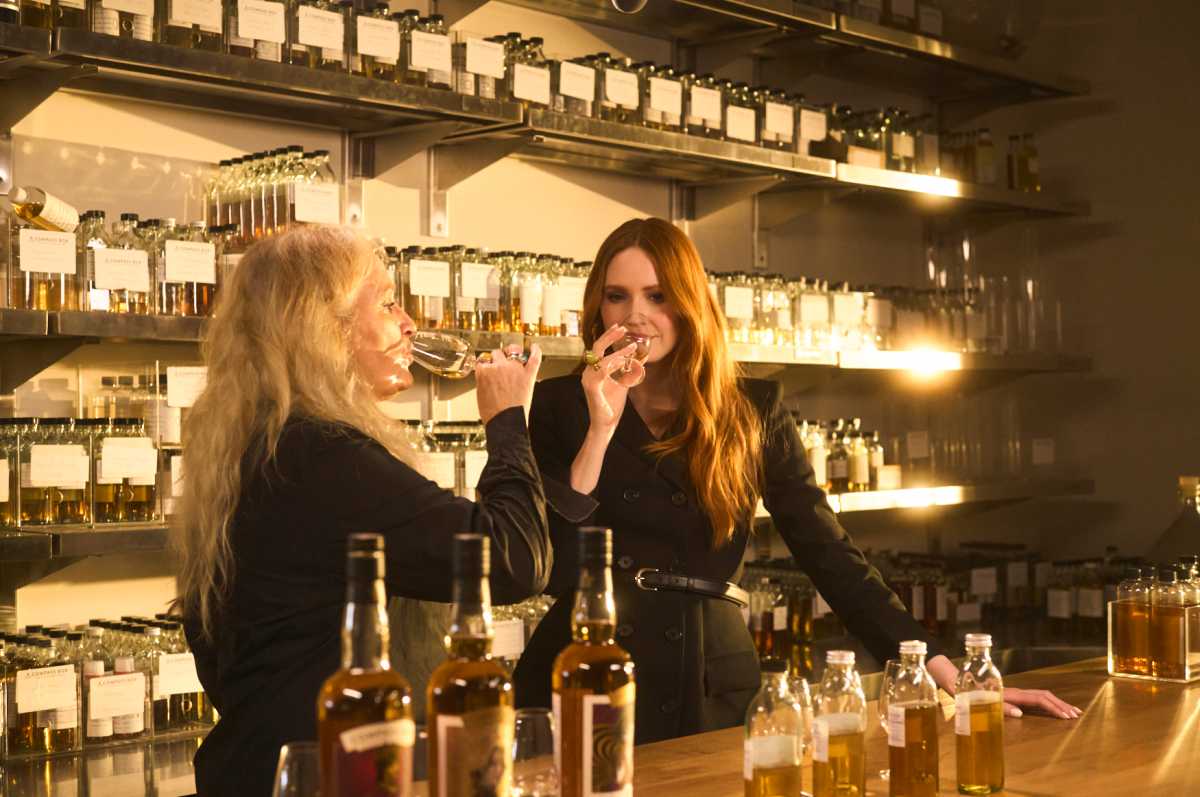
London has always known what the Puritans only theorized: pleasure is not the enemy of discipline. Pleasure is discipline refined. Pleasure is the moment rigor loosens its collar, steps into candlelight, and remembers it was meant to be felt.
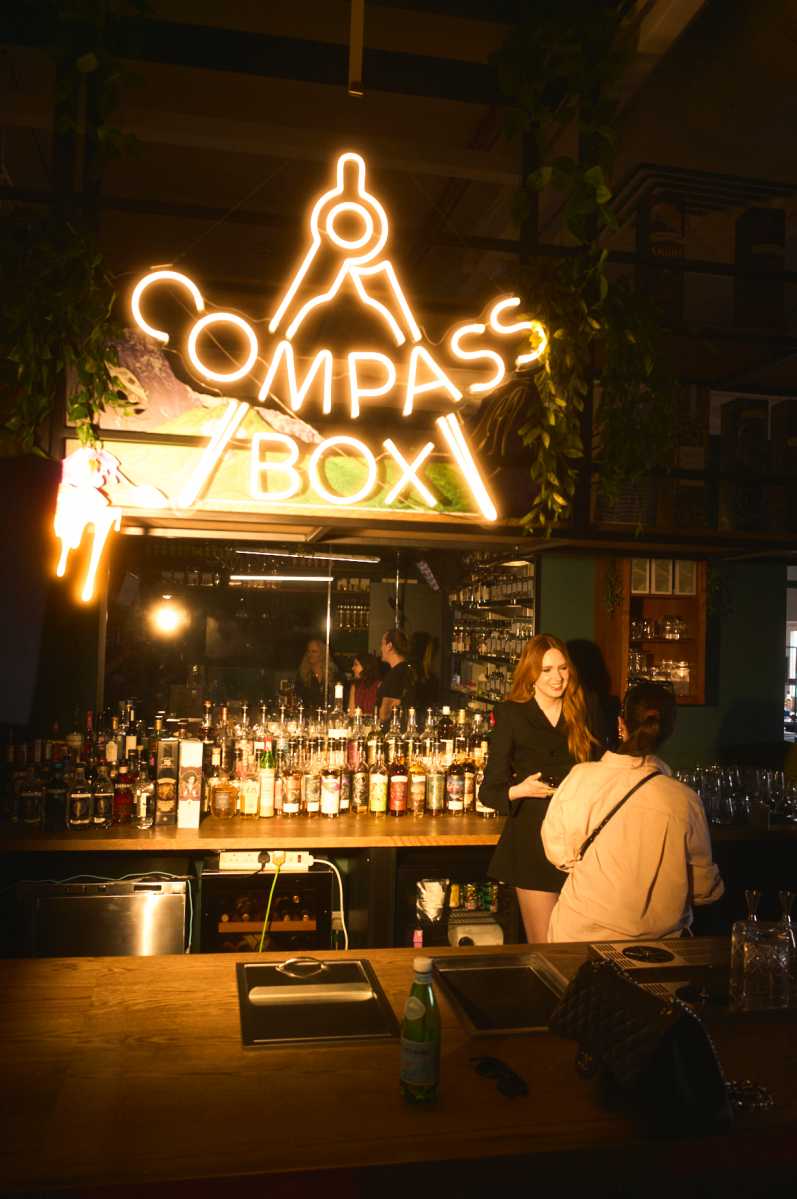
On February 24, 2026, Compass Box released the third edition of Hedonism: Limited Annual Release, and with it, a reminder that whisky can be more than heritage recited in sepia tones. Hedonism has placed a woman at the center of its visual identity since its debut in 2000, an act that once felt daring and now feels inevitable. The brand understood, long before the market language caught up, that magnetism is not frivolous, that storytelling is not secondary, and that sensuality—when shaped with intellect—becomes architecture.
Hedonism has always carried the whisper of its Greek origin: the disciplined pursuit of pleasure. Not excess. Not chaos. Discernment. The art of knowing what to savor and how to savor it. In Compass Box’s hands, that philosophy becomes tactile. It becomes something you can raise to your lips.
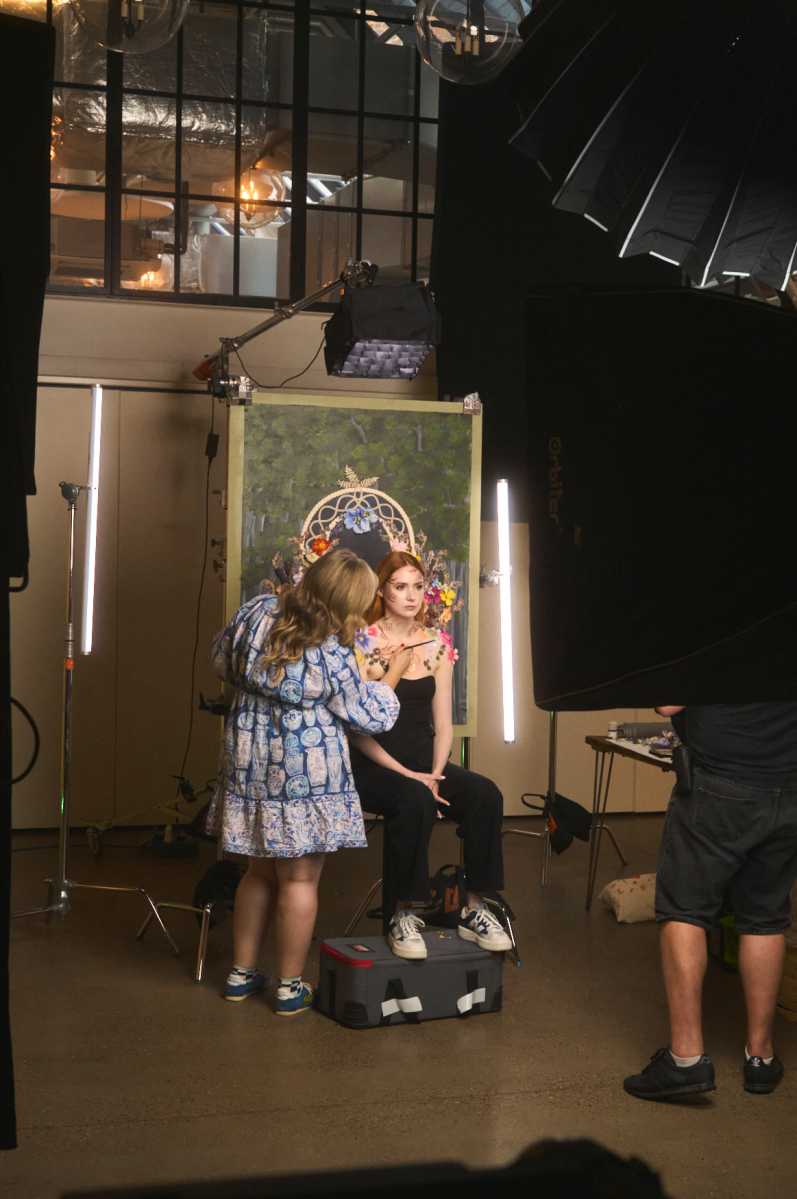
The 2026 edition is shaped as deliberately by art as by craft. Australian artist Emma Hack, whose body art dissolves skin into pattern and myth, transforms Scottish actress and director Karen Gillan into the Hedonism Muse. Wheat arcs across the composition. Wildflowers press gently against the body. Embroidery-like textures recall patient hands and ancestral memory. A symbol rests over the heart like a private invocation. The portrait does not posture. It breathes. Gillan, raised in Inverness and honed through roles from Doctor Who to Guardians of the Galaxy to Jumanji, carries a composure that feels mythic without being theatrical. The image suggests lineage without announcing it. It suggests power without insisting on it.
The bottle becomes a vessel not only for spirit, but for narrative.
Inside, Compass Box Creative Director of Whiskymaking Angela D’Orazio composed one of the most intricate Hedonisms to date, drawing on a rare 30-year-old grain whisky from Strathclyde alongside parcels aged between 20 and 24 years from Port Dundas and Cameronbridge, anchored by historic blended grain casks. A measured sherry component lends shadow and spice—cherry, cumin, raisin—deepening the profile rather than sweetening it. The aroma unfolds with clove-spiced fruitcake, dates, and polished toffee. Across the palate, the signature Hedonism texture—soft, melting, almost silken—moves into darker territory: coffee, roasted almond, dry sherry, tart raisin, cocoa-infused cream. The effect is not confectionary indulgence. It is contour. It is depth given grace.
Yet what lingers most profoundly is not merely the composition, but the manner of its creation. D’Orazio speaks of blending as listening. Grain whisky, more restrained than malt, does not declare itself. It reveals its nature gradually, rewarding patience. To work with it demands attention without force, calibration without ego, a willingness to return to the glass until the structure begins to speak.
One rarely considers the poetic act of dancing within this type of creation. The image of whisky-making tends to conjure stillness—quiet warehouses, aging casks, the solemn patience of time. Yet Angela D’Orazio is a somatic dancer, and that dimension of her life enters the work in ways both subtle and profound. She blends with music in the room. Movement threads through the process. Rhythm travels through breath, through instinct, through the quiet conversation between body and craft. The act of composition becomes kinetic rather than static, guided as much by feeling as by formula. That sensibility seems to reveal itself in the finished expression. The experience of this whiskey happens across the palate and carries a kind of choreography—notes rising, folding, and resolving with the ease of practiced movement. Grace disguises the discipline beneath it, the way great dancers make precision look like instinct.
For generations, Scotch was narrated through the language of weather and endurance. Those stories were necessary. They built the foundation. Hedonism does not reject them; it expands them. It introduces art as collaborator, atmosphere as co-author, and experience as the ultimate proof of excellence. Compass Box underscores this evolution with the short film Hedonism: Brought to Life, documenting the collaboration between Hack, Gillan, and D’Orazio. The bottle becomes artifact. The creation becomes cinema. The spirit becomes memory in motion.
To encounter Hedonism 2026 is to enter a particular mood. D’Orazio describes a northern summer evening beside a fjord or lake, a small fire steady in the distance, mist lifting slowly, something exquisite cooking nearby. Nothing abrupt. Nothing hurried. Even the air seems to listen. That is precisely how this expression behaves. It invites surrender, not through force, but through refinement.
Hedonism does not beg for admiration. It earns it.
It is a love letter to patience, to narrative, to the subtle intelligence shaping the future of whisky. It honors its origins while allowing women not merely to appear in the story, but to author it. It understands that pleasure, when approached with rigor, becomes its own form of mastery.
Hedonism 2026 is not an argument. It is an embrace.
And once you taste it, you will understand why discipline, when dressed in silk, is irresistible.
For more information, visit www.compassboxwhisky.com.