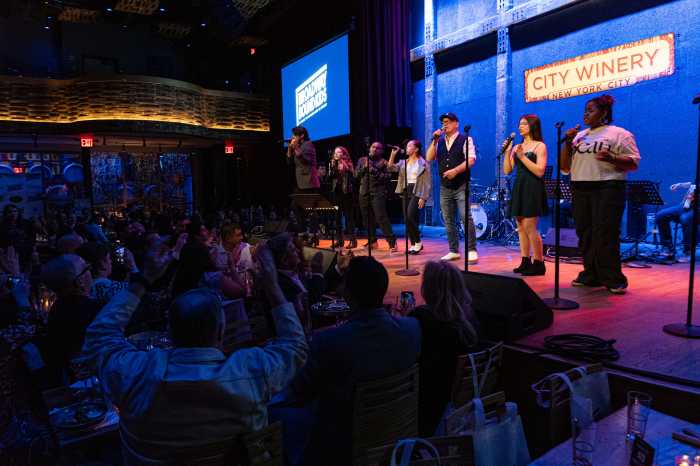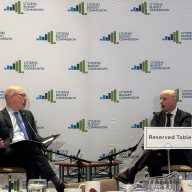


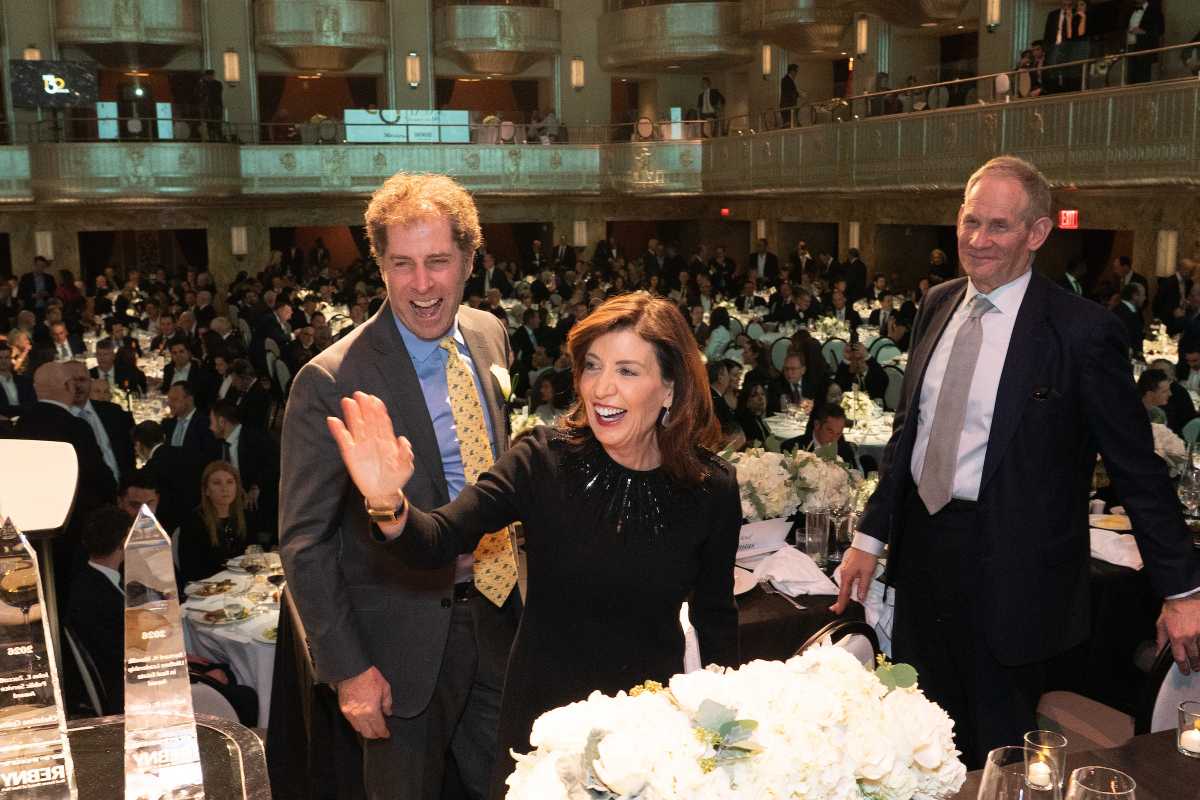
More than 1,000 builders, brokers, developers, bankers, attorneys and officials involved in the New York City real estate industry recently united to honor each other as Gov. Kathy Hochul said construction needs to be part of the solution to some of New York City’s problems.
The crowd at the Real Estate Board of New York’s 130th awards ceremony at the newly renovated Waldorf Astoria New York sat in a building whose comeback itself is one of the city’s bigger real estate stories in recent years.
Attendees walked a red carpet, networked, talked shop and discussed tax abatements, the rising cost of materials, need for affordable housing, and challenges and rewards of building in and beyond New York City.
Hochul was one of the featured guests and addressed the movers and shakers, saying that “the future of real estate in New York City is as strong as it’s ever been.” She said that construction needs to be a key part of building a still better future for New York City, and vowed to work “with all of you as an ally and to break down barriers.”
“We’re not going to be wasting time anymore, my friends. We’re going to build, baby build here in the great city of New York and I’m going to be your partner,” Hochul said. “You never gave up on us. And therefore I will never give up on you.”
REBNY looks to ‘meet the opportunities and challenges’
REBNY President James Whelan said this was a moment to look at how to “meet the opportunities and challenges facing our City’s economy in 2026 head on.”
“One thing you all share is that you believe in this city and invest in it and plan and build for its long-term success,” he told the crowd. “New York can be a tough place. But as the phrase goes, when the going gets tough, the tough get going.”
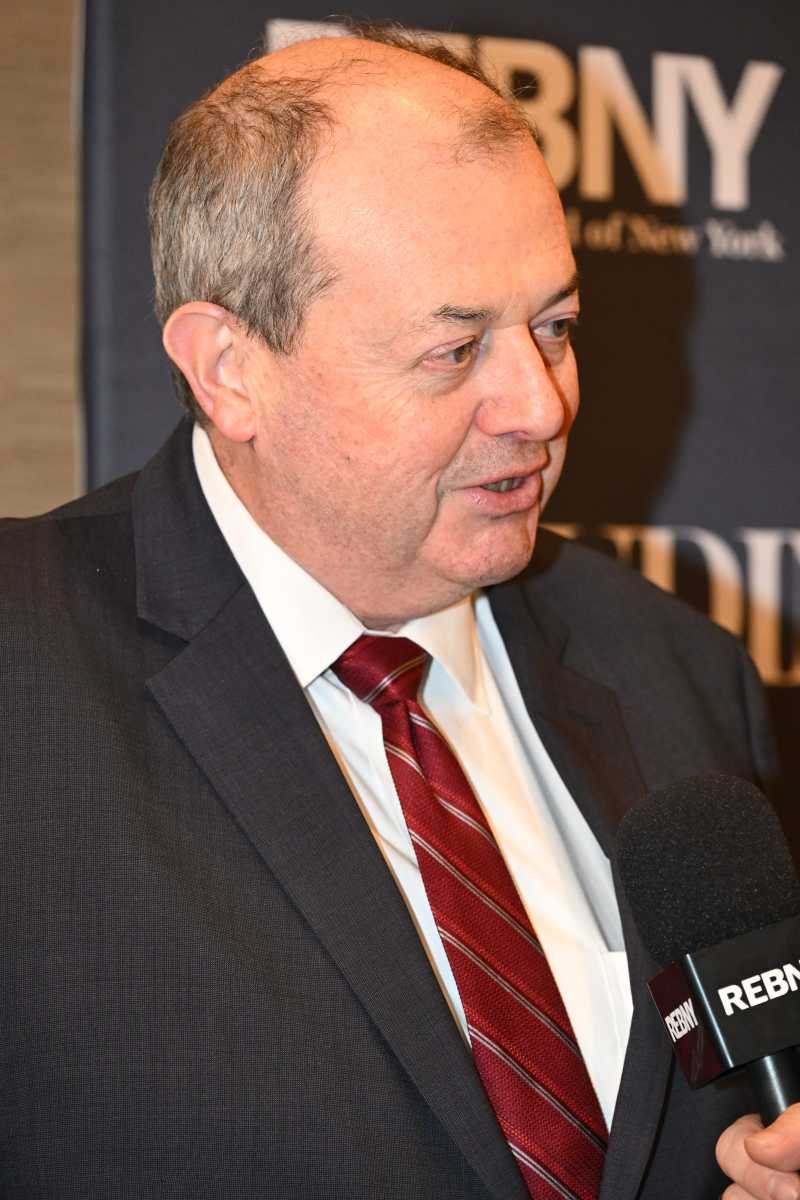
Although construction can breed controversy, this was a night when the real estate industry focused on successes, as well as struggles.
REBNY Chairman Jed Walenta said the 130th REBNY annual awards for the real estate trade association founded in 1896 provide “an excellent opportunity to take stock of our industry’s goals, the challenges New York City faces,” and how leaders can “make our city the best it can be.”
Some discussed how taxes, inflation and new regulations could make development more difficult, even as advocates not in the room sometimes call for change.
But many talked about a robust real estate market and a desire to live and work in New York City amid a post-pandemic recovery.
“I think it’s a great time to build and buy,” said Hal Fetner, CEO of residential developer Fetner Properties. “There’s an insatiable demand to live in New York City. We have not created a lot of new supply.”
Fetner said he had built 1,100 units in New York City over two years, including many in Long Island City, although he said he relied on tax incentives and certain financial forces constrained construction.
“It’s not the regulation that’s killing us,” Fetner said. “It’s construction costs and taxes.”
Others talked about New York City and, in particular, Manhattan as having a local and global appeal to businesses, as well as residents, driving demand in a post-pandemic economy.
“Financial service firms are booming. Law firms are booming. Tech firms are back in force, especially AI,” said Mary Ann Tighe, a commercial broker and CEO of the New York Tri-State Region for CBRE. “Where do they want to be? In Manhattan.”
David Shechtman, senior executive managing director at Meridian Investment Sales, said he had sold $4 billion in real estate in two decades.
He added that the Community Opportunity to Purchase Act (COPA) giving certain nonprofits the first right to buy certain real estate could delay deals
“Financing is good for 30, 60, 90 days,” Schechtman said, adding that “a 6– to-12-month pause” for a nonprofit could destroy transactions. “No contract will stick with a first right of refusal,” he said.
Schechtman added that capping limits on reimbursement for renovations of rent regulated apartments could disincentivize work.
“Why would the city say the landlords have to bear the lion’s share of that?” Schechtman asked.
One REBNY report found housing production in the Big Apple not on track to meet the goal of 500,000 new units by 2034 after about 66,000 units since the first quarter of 2024.
“The current tools for housing production are not adequate to meet the needs of New York City,” Whelan said as he called for “new incentive programs and comprehensive rezonings” to help to build 500,000 new homes by 2034. “This city needs a much more aggressive set of proposals to drive new housing production.”
There, however, were positive signs from RBNY’s Building Construction Pipeline Report for the third quarter of 2025, showing an “uptick in overall construction” as multifamily housing surged, particularly with 99-unit projects.
There were 507 new building filings, up 56% year over year and 11,746 proposed multiple dwelling units in 207 proposed buildings, up 69% from the previous quarter and the fourth most proposed units since the third quarter of 2015.
REBNY Executive Vice President of External Relations and Advocacy Zachary Steinberg said these “strong results come following a decade-plus of underproduction.”