

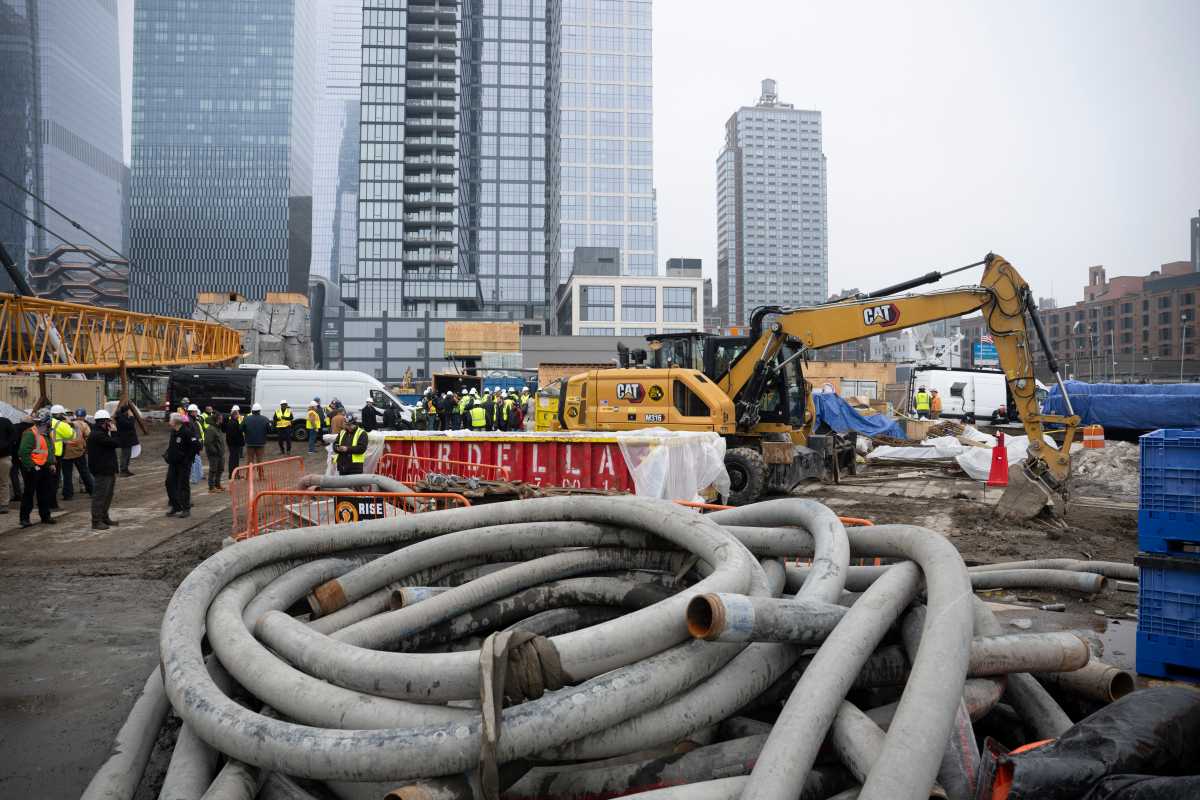
Work on the Gateway Tunnel rail project, which resumed last week after a nearly month-long pause, could be at risk of halting once again if a federal appeals court relieves the Trump administration of having to continue temporarily funding the project.
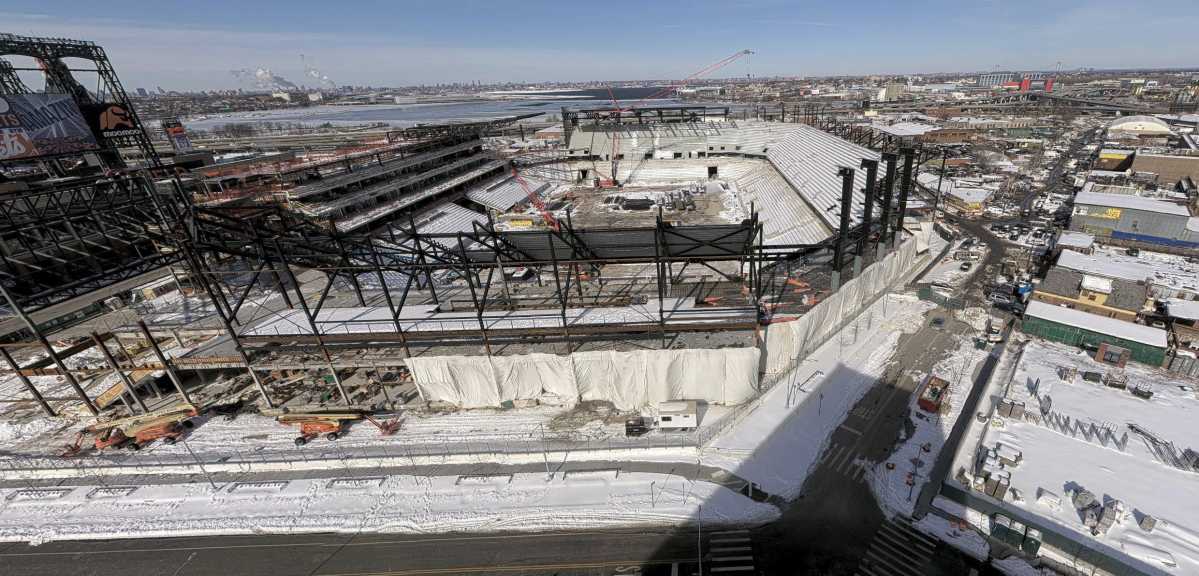
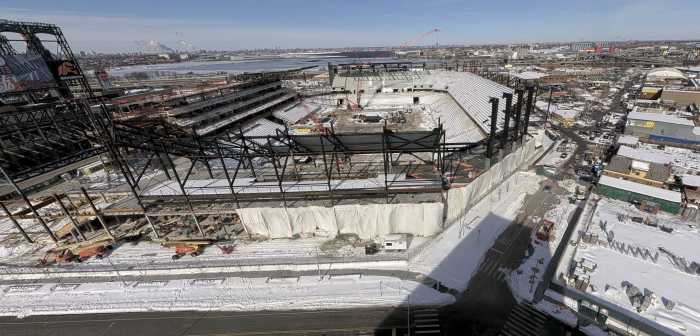
Work on the $16 billion effort, which will create a new two-tube rail tunnel between Penn Station and New Jersey, was temporarily halted in January after the Gateway Development Commission (GDC), the authority in charge of construction, ran out of federal funds. GDC said it needed $205 million in federal reimbursements by Feb. 6 in order to keep construction going, but the feds did not pay up on their own.
Construction workers returned to the job last week after the feds were compelled to resume funding GDC — to the tune of $235 million — by a federal judge. The judge ruled last month that the government must temporarily fund Gateway as a suit from New York and New Jersey Attorneys General Letitia James and Jennifer Davenport over the Trump administration’s October f move to halt funding plays out.
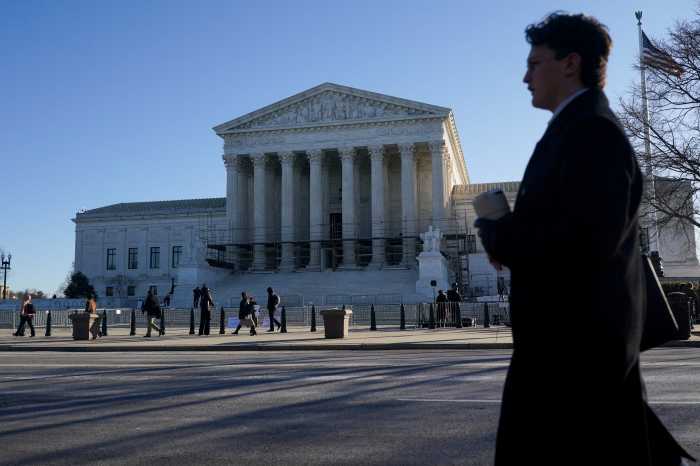
During oral arguments on Tuesday in front of the U.S. Court of Appeals for the Second Circuit, Assistant U.S. Attorney Tara Schwartz argued to a three-judge panel that the Trump administration would face “irreparable harm” if forced to fund the project prior to a more permanent decision in the case.
“We may be paying money we may not need to pay,” Schwartz told the judges. She said she believed the feds wouldn’t be able to recoup the money they paid out if it was ultimately decided they weren’t obligated to fund the project.
As it stands, the federal government must release another round of funding in late March or early April. The parties are due back in front of U.S. District Judge Jeannette Vargas on April 16, when a more permanent decision on the case is expected.
Judges questioned Schwartz on how much irreparable harm the federal government would experience if it continued to temporarily fund the project before a final ruling. Schwartz said it wasn’t the government’s plan to completely nix the project, just put it on hold until it was sure the GDC complied with the administration’s new diversity, equity and inclusion regulations.
Trump’s Department of Transportation initially withheld the funds pending an agency review of the GDC’s contracts with minority-and-women-owned businesses to ensure they were in-line with new federal rules. GDC officials have said they have answered all of USDOT’s questions regarding its contracting in letters sent late last year.
Lawyers for New York and New Jersey argue their states will suffer if they don’t continue receiving funding for the project, saying they become financially liable for maintaining GDC’s unmanned construction sites if work is forced to stop.
Furthermore, they argue continued work stoppages caused by funding shortfalls could derail the project altogether, which would in turn raise the risk of the 116-year-old existing rail tunnel collapsing. A failure of the current tunnel would impede hundreds of thousands of daily commutes and could deal an economic blow to the region and beyond, they say.
Jeremy Feigenbaum, an attorney with the New Jersey Attorney General’s office, argued that, because the states aren’t parties in the contract between GDC and the federal government, but experience their own separate harms from funds not flowing, the states couldn’t sue in a contract court but did have the right to file suit against the federal government separately from GDC over its policy to halt funds.
Feigenbaum emphasized the states were suing the USDOT over its policy of suspended funding and that the contract’s existence was simply part of the facts of the case.
“The fact that this suit is related to a contract isn’t the same as being founded on a contract,” Feigenbaum told judges who suggested there’d be no harm to the states if there wasn’t a contract in the first place. “Our remedy is not a better contract … We get an order to vacate the [funding halt] policy.”
It is unclear when the Second Circuit panel will rule on the temporary funding issue.