


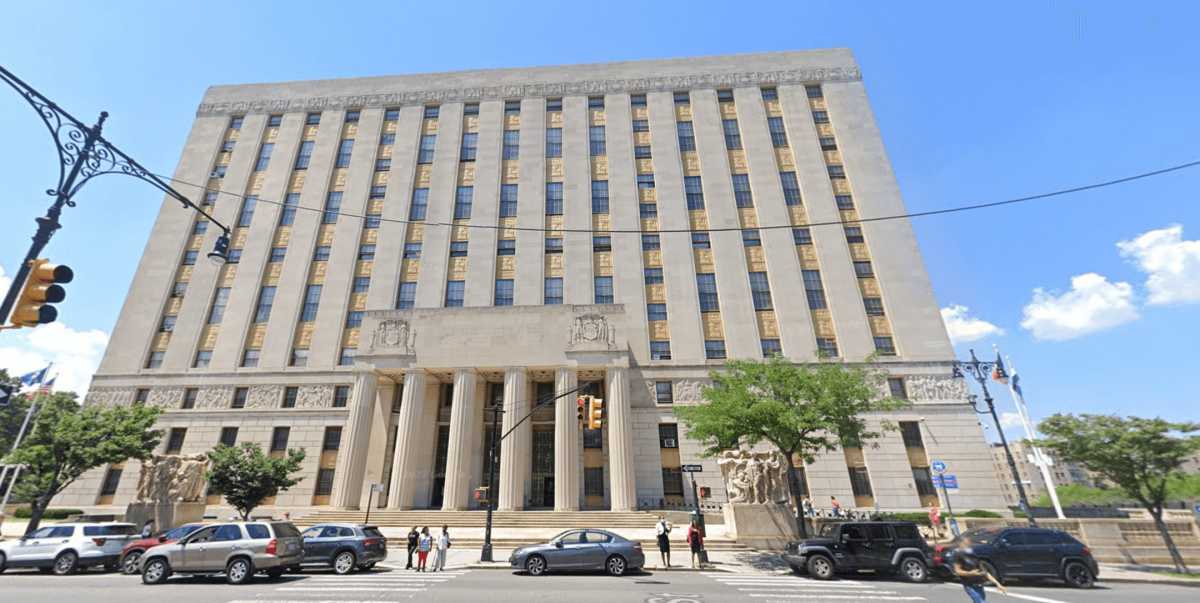
Judicial advocates say Bronx Judge Ralph Fabrizio’s time on the bench should end when his term expires this year, citing a record of his being vindictive and volatile towards attorneys and defendants and employing questionable legal judgment.
Calling Fabrizio’s court conduct erratic and pointing to over a dozen complaints filed against him by attorneys, the Center for Community Alternatives sent lengthy letters to New York City Mayor Zohran Mamdani and Gov. Kathy Hochul, asking them not to grant him any additional terms. While it’s unclear whether he’d be eligible for mayoral reappointment due to his age — state retirement age for judges is 70, and public records indicate he’s currently 69 — Hochul could nominate him to a six-year term on the Supreme Court any time before he turns 70, and he’d be allowed to serve its entirety.
Fabrizio’s chambers declined to comment and referred amNewYork Law to the state’s Office of Court Administration, which said it trusts the Mayor’s Advisory Committee on the Judiciary “will thoroughly and fairly evaluate his long and productive career on the bench” if Fabrizio seeks reappointment.
Neither Mamdani’s nor Hochul’s offices responded when asked for comment on the letters the Center for Community Alternatives sent or to questions on whether their offices would grant Fabrizio additional time on the bench.
Fabrizio, who was initially appointed by former Mayor Rudolph Giuliani, has been a judge in New York City’s Criminal Court since 2001 and on the Bronx Supreme Court bench since 2010. One of his most egregious actions during that time, the Center for Community Alternatives says, was on defendant Norberto Peets’ case: Fabrizio vacated Peets’ conviction, then reversed himself and reinstated it in an unpublished decision that misstated facts from the case, then re-vacated the conviction after THE CITY reached out to the judge with questions on the procedure.
“The multiple self-reversals, the fact that Judge Fabrizio’s written order mischaracterized key facts from the trial record, and the timing of his final reversal all raise serious questions about his judicial decision making,” the center writes. “This … demonstrates either profound instability in judicial reasoning or a willingness to reverse course to avoid negative press coverage. Either possibility is deeply troubling.”
The center also drew attention to a case where Fabrizio threatened and criticized a prosecutor’s strategy, suggesting he’d tell the jury the attorney was to blame for delays when issues arose with witness scheduling, then “delivered a sweeping, categorical condemnation of the defendant’s worth as a person” before imposing the maximum sentence.
“There is nothing redeeming that I find in anything I’ve read about you, anything I’ve heard about you, anything that I have experienced by being in your presence, in this courtroom, testifying at a trial,” Fabrizio told the defendant. “Nothing. You are beyond redemption. You are beyond rehabilitation. You are beyond any hope of leading a life that is not a danger to anybody else.”
Another particularly problematic instance, according to the center, involved Fabrizio “shutting down” the Bronx Freedom Fund in 2009, a charitable organization that posted bail for indigent defendants charged with misdemeanors who otherwise wouldn’t have been able to afford it. When he learned of the fund, he opened an investigation into it and determined it was a business operating illegally, even though it didn’t take money from its clients.
“[He] slammed the door on the first effort in New York City to give poor defendants the same chance as wealthier New Yorkers to fight their cases from home rather than from Rikers,” reads a letter from the center.
Legislative action overturned his ruling in 2012; the state government passed a law making charitable bail funds expressly legal in New York.
A survey of the judge’s conduct elicited attorneys saying he’s “biased against the accused,” “assumes everyone is guilty,” “sadistic and cruel,” “mentally unwell, capricious, unethical, biased to an astounding degree” and “does not have the appropriate demeanor to be a judge.”
Another attorney said they “fear every appearance in front of him … I know there will be screaming.”
When Fabrizio was up for reappointment in 2018, criminal defense attorney Alice Fontier submitted a complaint about his behavior to the Mayor’s Advisory Committee on the Judiciary.
“Attorneys have to walk on eggshells,” Frontier’s complaint said. “He is prone to being erratic and his rulings seem to depend more on his mood than anything else.”
Despite the complaint, then-Mayor Bill de Blasio decided to reappoint him.
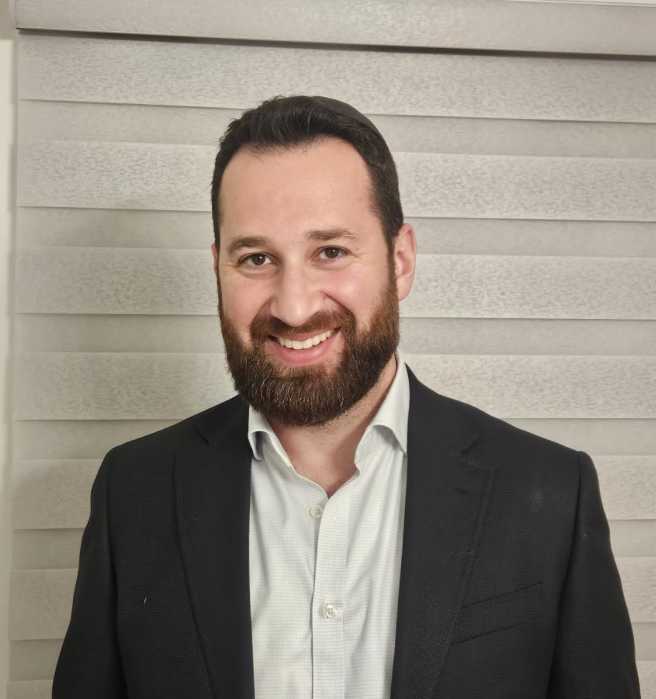
Peter Martin, the director of the Center for Community Alternative’s Judicial Accountability Project, emphasized how rare it is for a judge to receive formal complaints from attorneys and said it spoke to how imperative it is officials decline to reappoint Fabrizio.
“I’ve been doing judicial accountability work for a little over four years now. Judge Fabrizio has been on my radar for most of that time,” Martin said. “It’s clear that he does not deserve any more time on the bench.”