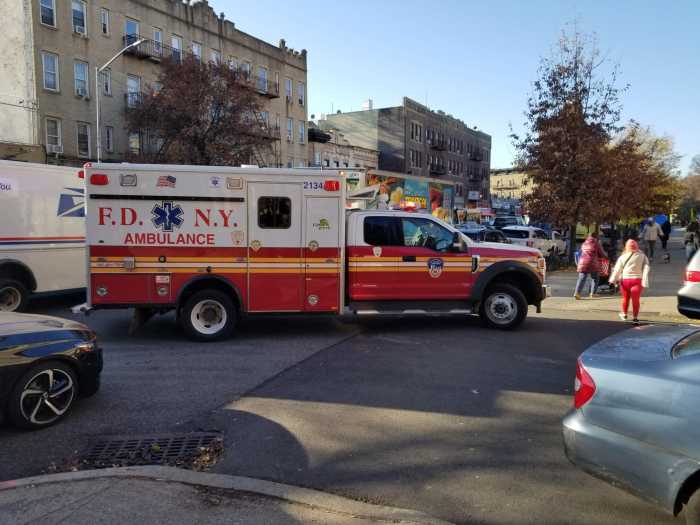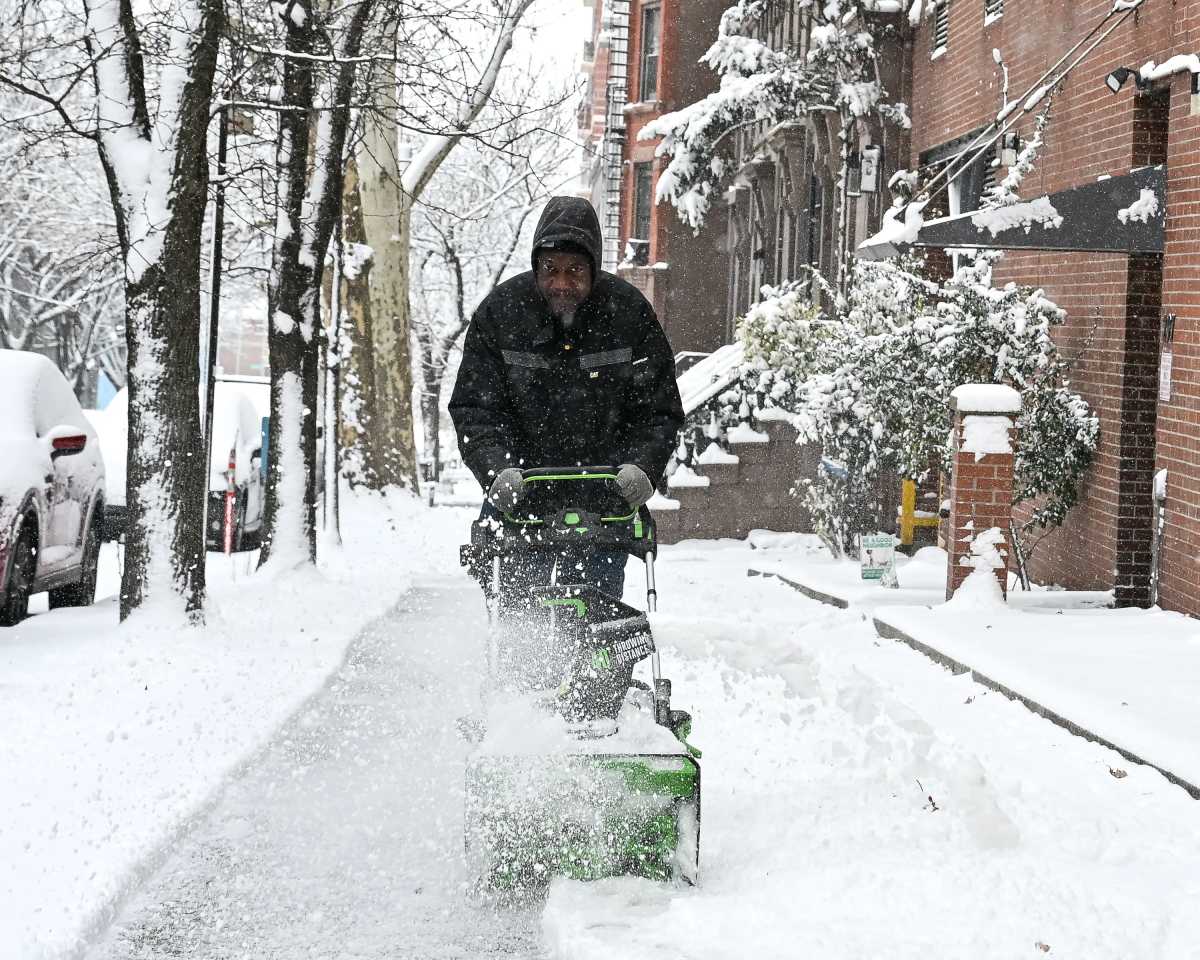



When emergency responders answered Code Blue calls in New York City during the recent cold snap, roughly one in five cases were closed with a determination of “no assistance needed,” according to testimony at a City Council oversight hearing Tuesday.
At least one of those cases involved a man who was reported sleeping outside during a freezing night but was not located at the time of the response and later died, the Council heard at its joint oversight hearing on Code Blue operations, which was held in response to the deaths of 18 people outdoors during a prolonged stretch of extreme cold that began on Jan. 19.
Jason Graham, the city’s chief medical examiner, said Tuesday that preliminary findings indicate at least 15 of the 18 outdoor deaths were directly caused by hypothermia, and that the number could increase as investigations continue, noting that the cold weather is not over. He also said investigators are looking into additional deaths in a range of residential settings where hypothermia may have played a role.
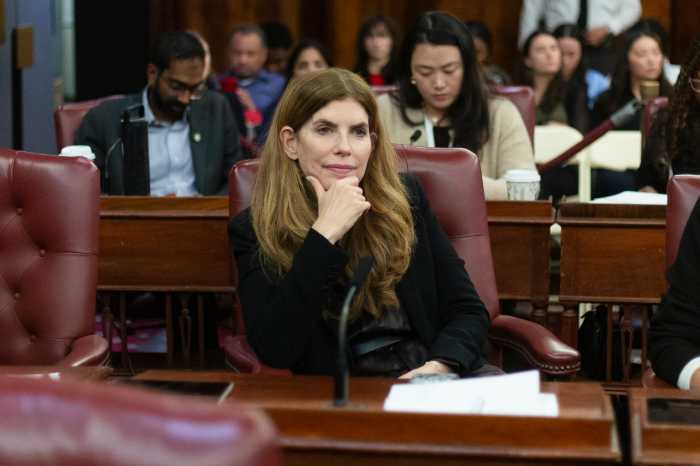
“These deaths are not inevitable,” Speaker Julie Menin said of New Yorkers who died outdoors. “They are the result of gaps in outreach, shelter capacity, mental health services, and follow-up.”
City officials testified on Feb. 10 that roughly 22% of Code Blue calls to emergency responders were closed without assistance over the period. In some cases, responders could not find the person reported by callers. In others, individuals declined help or were deemed not to need it
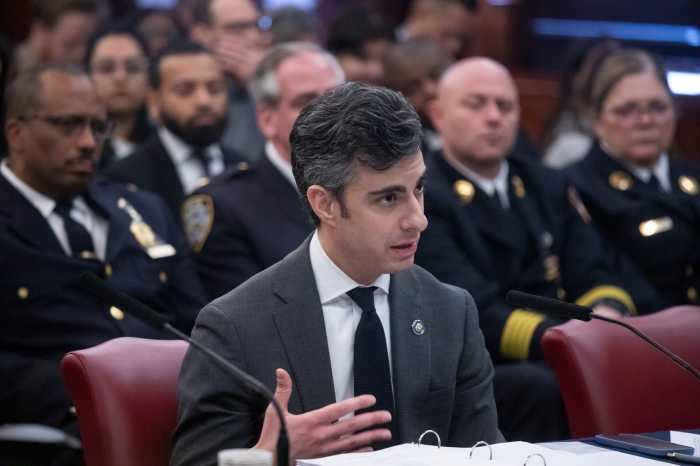
“Since Jan. 19, the NYPD has responded to 2,679 Code Blue calls as of midday on Feb. 8, in 22% his officers determined that EMS response was unnecessary because the individual either was not at the location or was not in need of assistance, that information is related to EMS, which then removes the Code Blue call from its queue and enables EMS direct ambulances where they are in fact necessary,” said Alex Crohn, deputy commissioner of strategic initiatives at the NYPD.
But council members pressed officials on whether those determinations were reliable, particularly in freezing temperatures. The example of the man cleared during a Code Blue check and later found dead was repeatedly cited as evidence that the system may be missing people at the highest risk.
Speaker Menin identified the individual as Frederick Jones, 67, of Midtown Manhattan, who was under Adult Protective Services guardianship and was found by emergency workers about a mile from his building.
Crohn said that officers canvassed the area for “a number of minutes” and remained in their vehicle “to cover a larger geographic area because they knew that the individual moved from place to place over time.”
That was really their judgment. I won’t second-guess their judgment in that scenario; they do the best they can. They weren’t able to locate him at that time,” said Crohn.
Crohn also noted that NYPD officers had been instructed not to remove homeless individuals from the subway system into freezing temperatures over the weekend. “Over this past weekend, we put a complete stop to all ejections, even people who could potentially be causing problems in the subway system,” he said.
Cold weather exposed discrepancies in policies, City Council members say
Brooklyn Council Member Alexa Avilés raised concerns with Crohn over discrepancies in the policy and what her office had heard over the weekend, saying they had reports of widespread instances of homeless people being ejected from subway stations.
Crohn said the directive had been “communicated clearly” through the chain of command, but that he was happy to look into those instances, noting that they “try to use [ejections] as conservatively as possible.”
Crystal Hudson, another Brooklyn City Council member who chairs the Committee on General Welfare, also questioned why the city did not move sooner to an “enhanced 24/7” Code Blue response, which includes more frequent outreach and around-the-clock operations.
“Why did you wait to offer 24/7 assistance…until roughly five days after the worst of the storm?” Hudson asked about the Jan. 31 declaration.
Department of Social Services Commissioner Molly Wasow Park, who submitted her resignation to Mayor Zohran Mamdani on Monday, said outreach was ongoing throughout the cold spell and that operations were adjusted on Jan. 31 as conditions persisted.
“It was this understanding that the cold really wasn’t going anywhere — that the Arctic temperatures weren’t going anywhere — and we continued to innovate and address concerns as much as possible,” Park said. “But I don’t want it to seem as if we were not doing very serious outreach in the days before that, because we absolutely were.”
Council members also questioned administration officials on whether the city has enough outreach workers to prevent cold-weather deaths.
Speaker Menin pushed Park on whether the numbers reflected a decline in frontline outreach capacity, and pointed to earlier testimony Park provided in 2021, in which she said the city had 600 “boots on the ground” conducting outreach.
At Tuesday’s hearing, however, Park clarified that the figure includes both outreach and administrative staff. She said about 400 workers are dedicated to direct outreach, while roughly 200 hold administrative or support roles.
Another flashpoint of Tuesday’s hearing was the case of a man who was discharged from Elmhurst Hospital during the Code Blue period and later died from exposure. The hearing also surfaced sharp disagreements over the city’s policy on involuntary removals during extreme cold, a practice officials described as a last resort, but which Council Members suggested may be used too sparingly.
Nolberto Jimbo Niola, 52, originally from Ecuador, was found on a park bench in Queens with discharge papers from Elmhurst Hospital, according to Speaker Menin, who said his case was an example of what needs to be fixed.
Hudson pressed NYC Health + Hospitals Senior Vice President Dr. Ted Long on how an individual might end up discharged from a hospital during Code Blue, who, while not commenting on Niola’s case specifically, said an individual is not obligated to take the city up on their resources if they “have the capacity to make their own decisions.”
“Our job and our mission in the hospital is to take care of you, take care of you medically, and offer you all of the resources and all the hard work that we’ve put into making sure those resources are the best they can be, meeting you where you are, including literally bringing the warmth to you,” Long said. “But patients don’t have to take us up on those resources if they again have the capacity to make their own decisions. It’s their choice how they want to interact with us.”
Park said that during the most recent Code Blue season, which began back in November, a notice was sent to all of the city’s hospitals reminding them not to discharge patients without a plan, but noted that the city does not have direct regulatory authority over hospital discharge decisions. Park noted that a notice “with stronger language” was reissued on Jan. 26.
City officials testified that since the cold streak began on Jan. 19, the city carried out 85 involuntary removals of people living outdoors. Of those, 33 were conducted by the DSS through its outreach teams, while 52 were carried out by the NYPD, typically when officers determined an individual posed a danger to themselves due to exposure or mental health concerns.
City officials emphasized that involuntary removal is governed by state mental hygiene law and requires a determination that a person is mentally ill and at imminent risk of serious harm — a standard they said cannot be met solely by someone being outside in freezing temperatures.
During the testimony, Queens Council Member Phil Wong raised a case with Park from Jan. 29 in which a homeless man remained outside in near-freezing temperatures despite multiple reports. Wong said the individual was observed wrapping himself in newspapers to stay warm and argued that the man lacked the capacity to care for himself, calling for an immediate, involuntary removal.
Park responded that while the situation was concerning, outreach teams are constrained by state law. She said the man had previously refused services and that involuntary removal requires a clinician’s determination that a person is unable to make sound decisions and is in imminent danger — criteria she said were not automatically met in this case.