

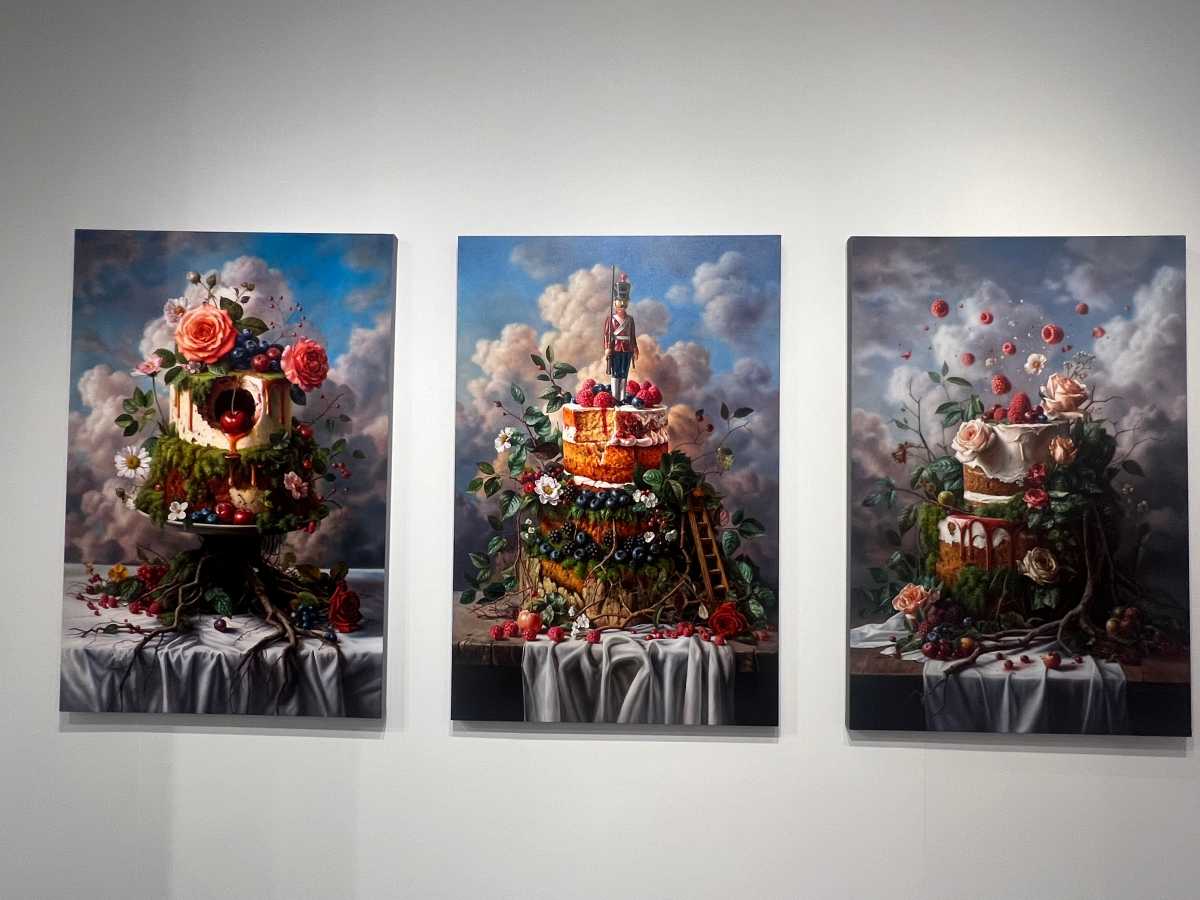
Miami Art Week has always acted as the art world’s unofficial stress test, revealing the market’s true temperature with tropical honesty. This year, after months of predictions forecasting hesitation, contraction, and collector fatigue, Miami offered something entirely different.
The fairs did not simply endure. They surged with renewed energy, proving that the art world—much like the city itself—has a talent for rising at the precise moment it is expected to stall.
The week’s tone was set early at the ARTFORUM design event — led by editor in chief Tina Rivers Ryan, which felt less like a sidebar and more like a thesis. Ten years ago, design hovered at the margins of art-world discourse. Today, it stands shoulder to shoulder with fine art, dictating taste, influencing value, and shaping how collectors experience their environments. The room made that shift undeniable.
Design objects, lighting, furniture, and spatial concepts functioned not as accessories, but as central players in a new cultural economy. The reason is deeply generational. Millennial collectors—my own “geriatric millennial” cohort included, although the emotional fallout from that label will be processed in private—have redefined what luxury means.
As the last analog generation, raised in physical worlds before being catapulted into digital ones, we crave tactility, authenticity, and sensory depth. We want pieces that do more than exist. We want them to live with us.
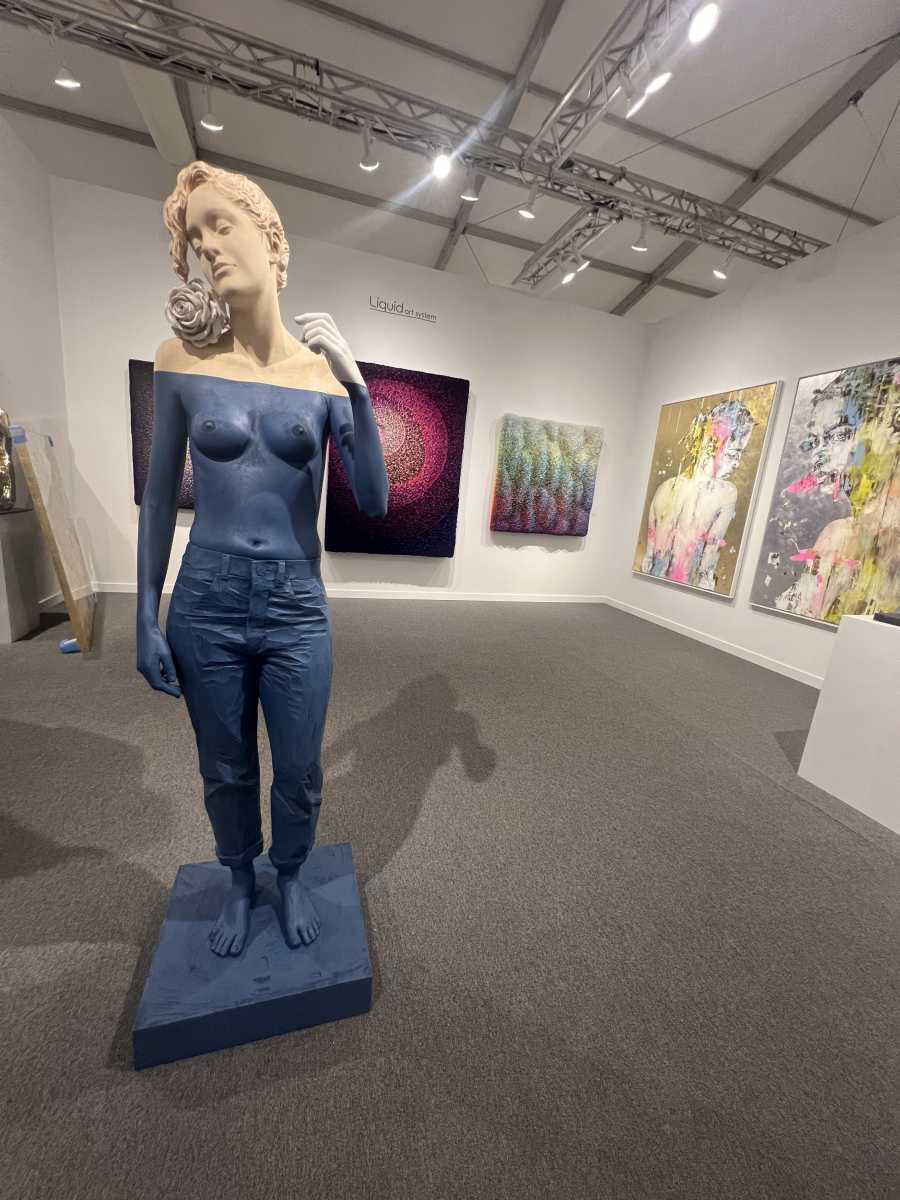
That framework carried directly into NADA, which has long served as one of the purest barometers for emerging momentum. The fair felt taut and intentional. Galleries presented work that balanced experimentation with structure, signaling that risk in 2025 comes paired with rigor.
NADA revealed where the energy is moving next: toward artists and spaces that understand cross-pollination—between art, design, technology, and social history—not as a trend, but as a new default setting. The booths read like laboratories of future canon, yet the mood remained grounded, almost pragmatic. Innovation, there did not shout. It shimmered.
Untitled extended that shimmer into a beachfront dissertation on contemporary practice. The fair presented a thoughtful interplay of abstraction, figuration, and global narrative, with each booth emphasizing engagement over passive viewing.
Works pushed color, form, and history with a kind of muscular restraint that felt distinctly of this moment. The tent’s proximity to the ocean added a sensory hum to everything; the light, the sound, the heat all conspired to make each encounter feel heightened without ever tipping into spectacle.
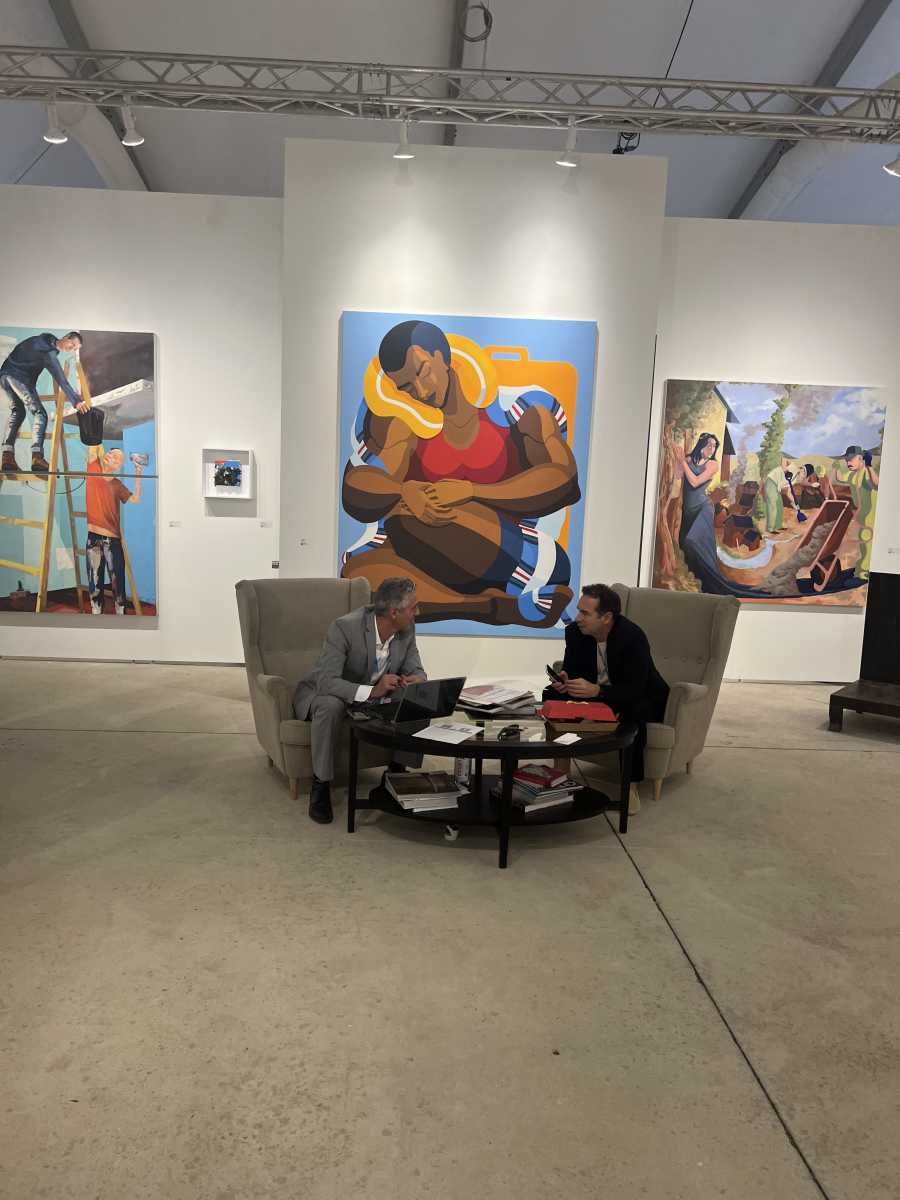
Art Miami brought a more overtly commercial charge, although the energy here was anything but superficial. Conversations were targeted. Advisors moved fast, yet not frantically. The fair operated as a live demonstration of a market that is narrowing its focus rather than shrinking its scope. Within this environment, certain presentations stand out with unmistakable force. Ethan Cohen Fine Arts commanded attention with Aboudia, whose canvases pulsed with urban symbology, post-conflict memory, and the kinetic restlessness of global youth. His work read as both archive and prophecy, reminding viewers why his voice is now central to contemporary discourse.
DTR Modern Gallery replied with the luminous composure of Kozo, whose spiritual geometry and disciplined color fields created what felt like a sanctuary inside the fair. His work drew collectors into a slower, more contemplative mode, proving that transcendence, when anchored in mastery, holds as much market power as any maximalist gesture. The pairing of Aboudia and Kozo across fairs illustrated the range of what this market now rewards: intensity and stillness, documentation and devotion, urgency and grace.
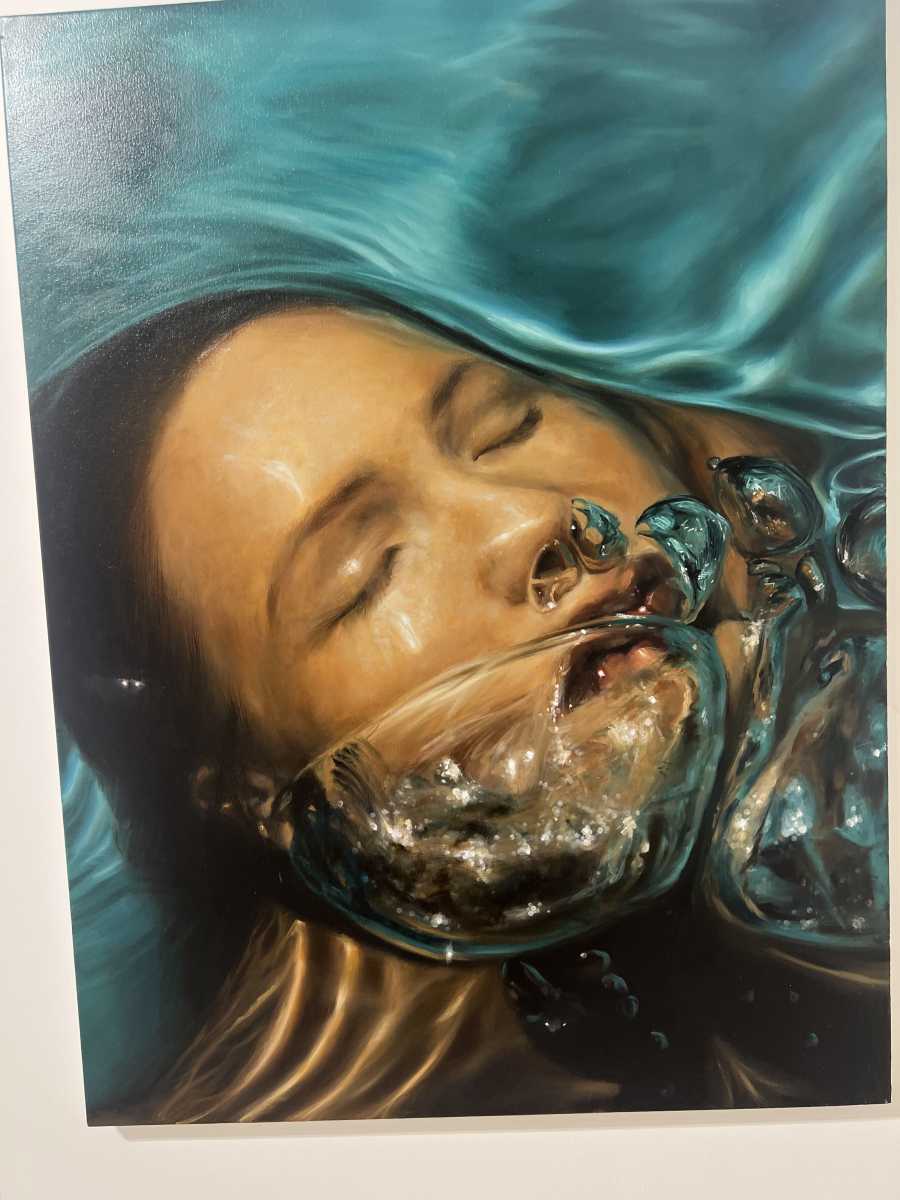
By the time Art Basel Miami Beach opened its doors, the city already felt fully charged. Basel then confirmed what the week had been quietly building toward. The fair unfolded with cool, steady confidence. Blue-chip works anchored the proceedings, yet the curatorial spine kept the experience from lapsing into predictability. Collectors moved with intention rather than impulse. Advisors spoke in the language of placement, strategy, and long-view portfolios. The atmosphere rejected panic and spectacle in favor of precision, suggesting that power in 2025 manifests as clarity.
Threaded through all of this was the generational shift that began at the ARTFORUM event and echoed across every aisle. The new collector—millennial, hybrid, digitally fluent yet materially hungry—demands immersion rather than ornament. They want environments, not isolated trophies. They gravitate toward collaborations that merge art, design, architecture, and technology into cohesive worlds. Miami made that desire vivid and unavoidable, signaling that the next evolution of the market will favor those who build ecosystems of experience, not just inventories of objects.
This moment does not exist in a vacuum. It sits firmly in the lineage of art-market evolution. The late-1980s correction reshaped collecting habits. The post-2008 recession fortified the global fair model. Basel’s expansions in the 1990s—and its Miami Beach debut—reoriented the map of influence. Each period of pressure yielded new structures, new appetites, and new forms of patronage. Miami Art Week 2025 continued that pattern with intelligence and heat.
As the week closed, one conclusion felt inescapable. The market is not faltering. It is refining. Collectors are not retreating. They are sharpening their gaze. If this is the overture to Q1 of 2026, the coming year will belong to those who embrace complexity, collaboration, and a kind of sensual rigor—where scholarship, atmosphere, and desire share the same room.
Miami did not simply revive confidence. It reminded the art world that it is, at its best, a living organism: unruly, luminous, studious, and thrillingly alive.