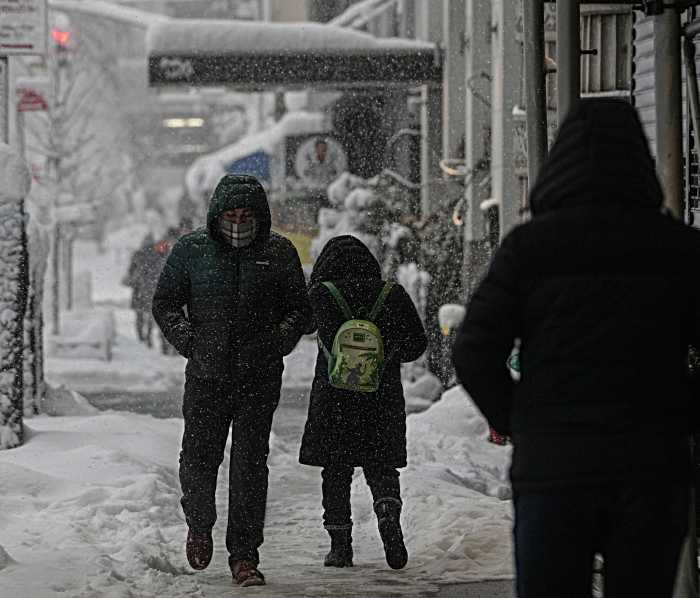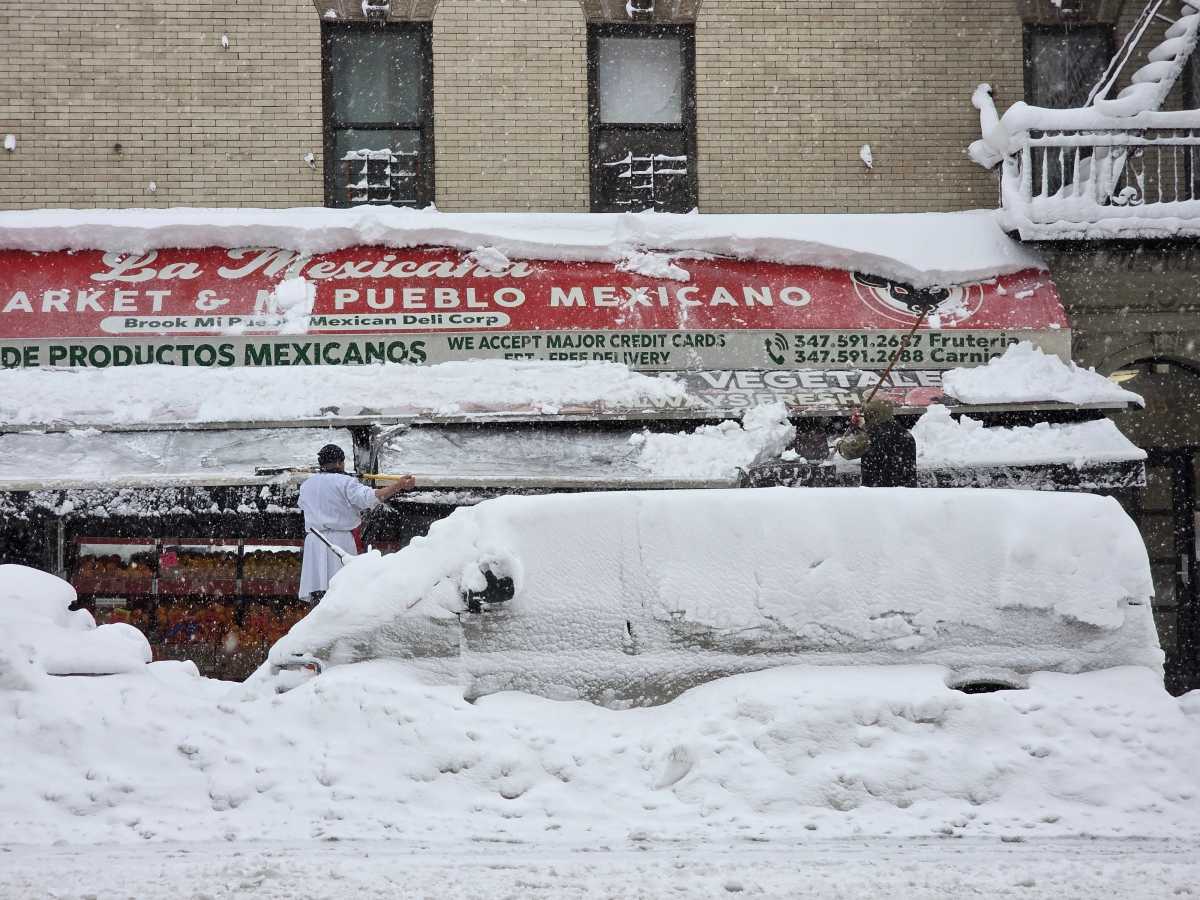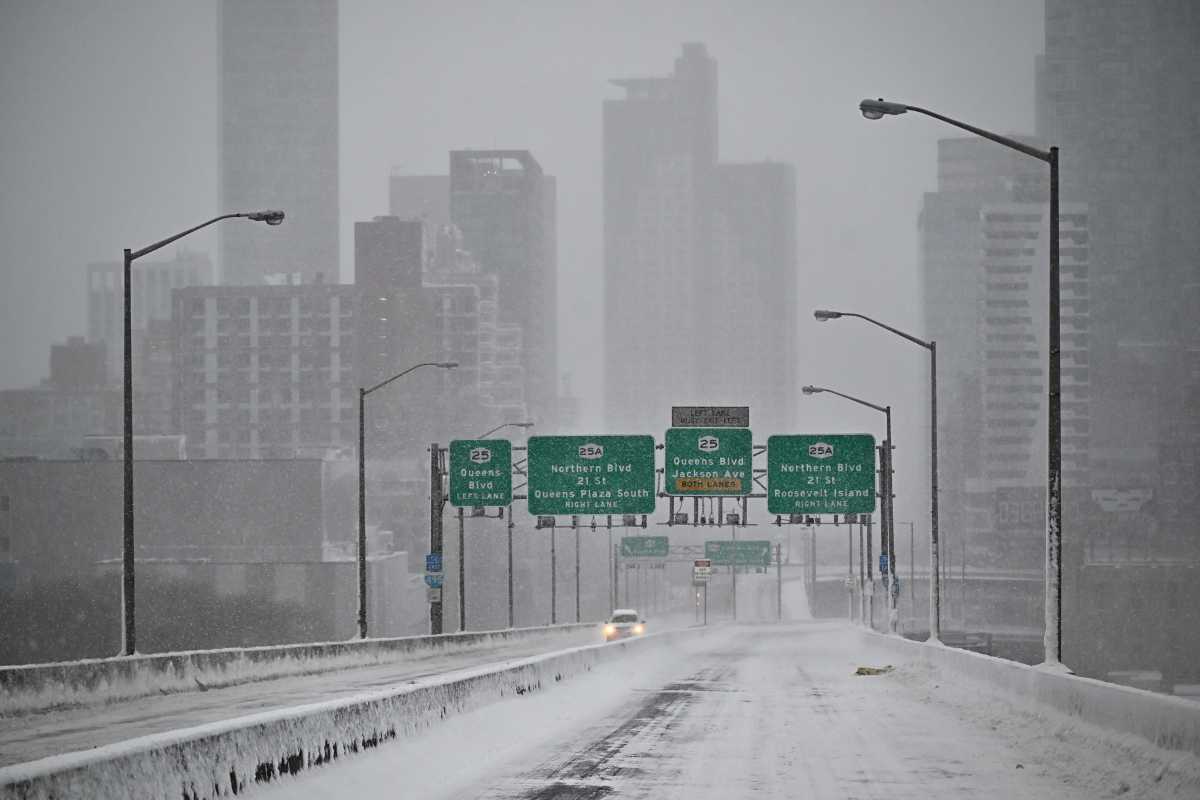



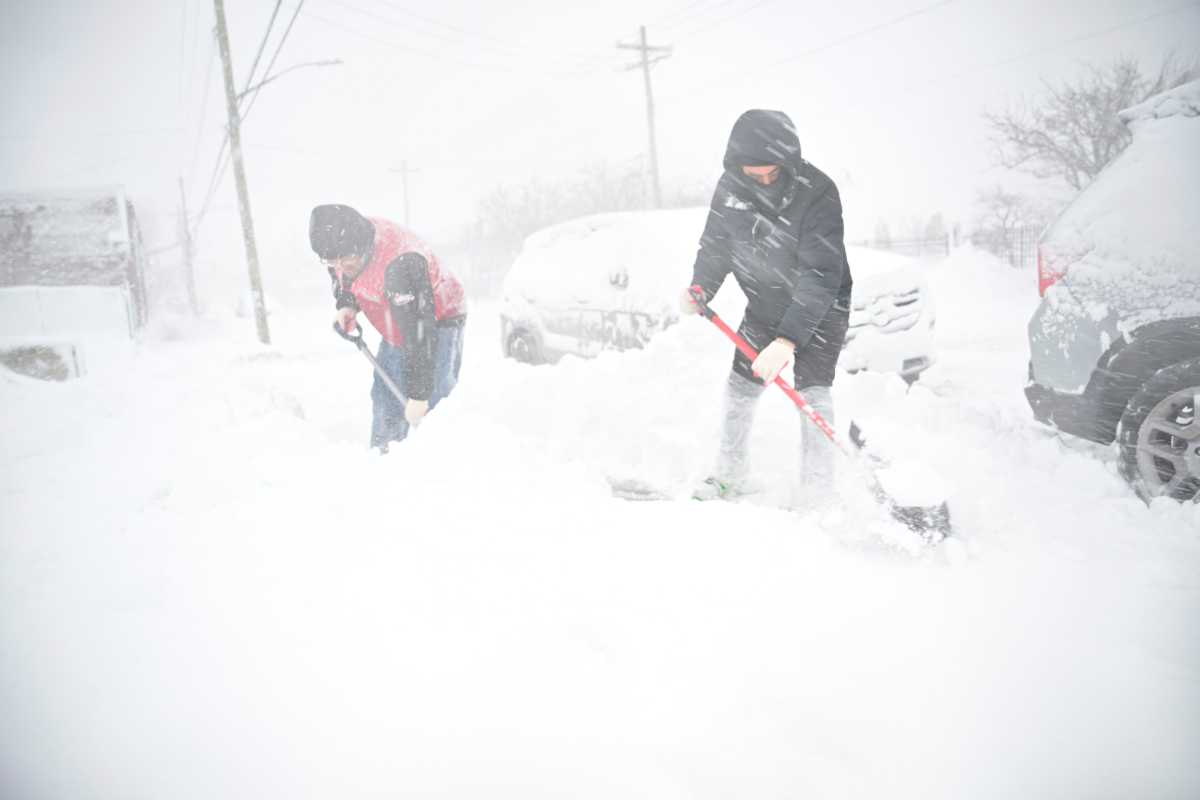
As the “Blizzard of 2026” buried the Big Apple under as much as 24 inches of snow in some neighborhoods between Sunday and Monday, Mayor Zohran Mamdani delivered a pointed reminder: clearing sidewalks is not just the city’s job.
“It is snowing now, and the snow will continue to accumulate,” the mayor said from the city’s Emergency Operations Center on Feb. 23. “When the snow does stop falling, property owners will be required to clear a four-foot path along sidewalks wide enough for pedestrians, wheelchairs, and strollers to pass.”
The warning comes just weeks after the Jan. 25 storm, when inspectors issued more than 4,000 violations to property owners who failed to shovel within the required time. Officials say they do not want a repeat.
Snow removal in the five boroughs is split between city crews, private property owners and, during major storms, emergency workers and volunteers.
The New York City Department of Sanitation (DSNY) is responsible for plowing streets, salting roadways and clearing certain public infrastructure. Property owners, residential and commercial, must clear the sidewalks in front of their buildings, including bus stops and curb ramps that abut their property.
If they don’t, they can face escalating fines.
At Monday’s briefing, DSNY’s acting commissioner, Javier Lojan, said enforcement would follow this storm.
“While we are stepping in to assist in this work, we will be issuing summonses after the storm for property owners who do not meet this responsibility to keep their neighbors safe,” he said.
Beyond its full-time workforce of 2,600 sanitation workers per 12-hour shift, DSNY has ramped up its emergency snow shoveler program.
Overnight, 575 emergency snow shovelers were deployed across the city, with more than 800 working the morning shift, according to Mayor Mamdani. By Monday afternoon, the department had expanded supervision capacity and said it could deploy up to 1,800 shovelers per shift. Pay has been increased to $30 an hour during the storm, officials said.
These workers began clearing pedestrian infrastructure earlier than in previous storms, tackling crosswalks, bus stops and fire hydrants while plows focused on roadways.
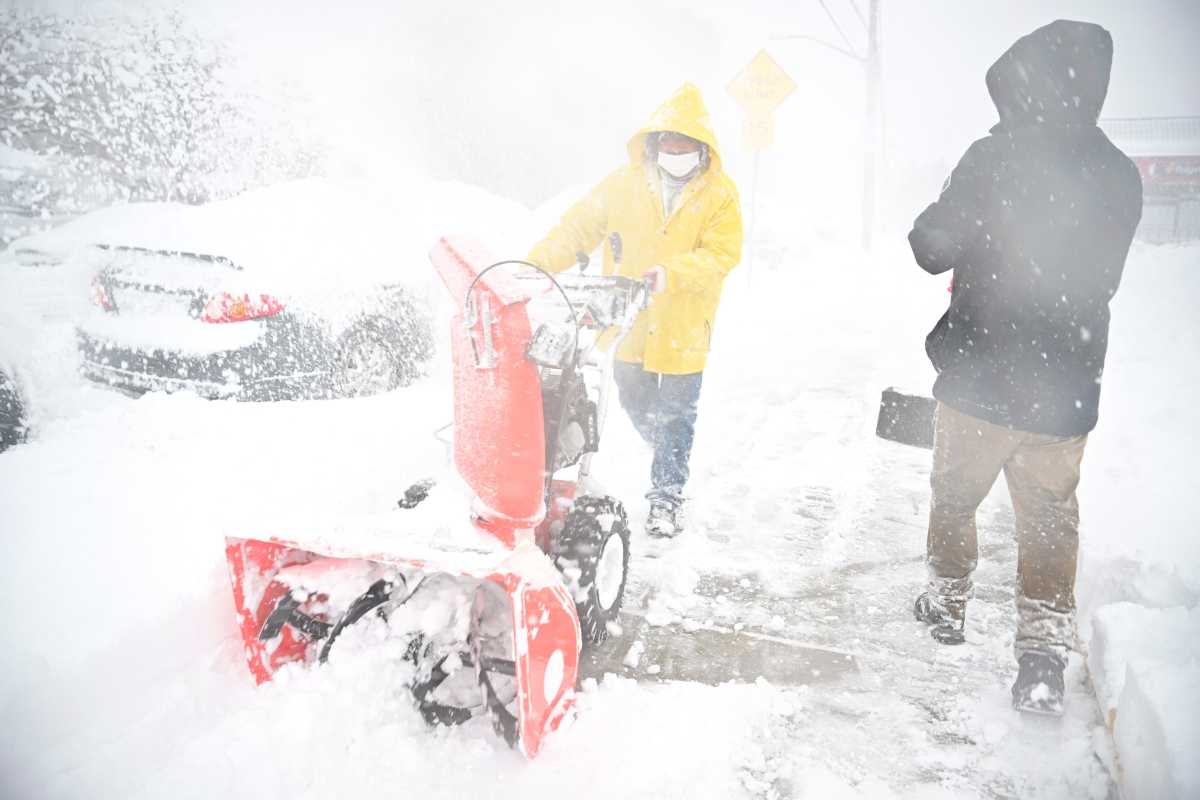
Overnight alone, crews cleared more than 1,600 crosswalks, 419 fire hydrants, and nearly 900 bus stops. And that total did not include work completed Monday morning, said Mamdani.
In addition to paid shovelers, volunteers were also activated.
Commissioner Christina Farrell of New York City Emergency Management said the city’s Community Emergency Response Team (CERT) members were assisting across the five boroughs, including helping clear fire hydrants to support potential Fire Department operations.
More than 2,100 neighborhood networks were also activated ahead of the storm through the city’s “Strengthening Communities” program, reporting local conditions and assisting with response efforts.
What ‘cleared’ means for sidewalks
Under city rules, sidewalks must be shoveled to at least four feet wide where possible, creating a passable path for foot traffic, strollers and wheelchairs.
Property owners are also required to clear fire hydrants, curb cuts and pedestrian ramps, and unsheltered bus stops. Shoveled snow cannot be pushed into the street, where it can block traffic or interfere with plowing.
City rules set different deadlines depending on when snowfall stops. If the snow ends during the day, owners generally have four hours to clear sidewalks. If it ends in the evening, they have 14 hours. If snowfall stops overnight, sidewalks must be cleared by 11 a.m. the next morning.
Fines start at $100 for a first violation and increase for repeat offenses, according to DSNY guidance.
The mayor noted that more than 4,000 violations were issued after the last major storm.
“We do not want to issue as many citations again,” he said. “So please, if you are a property owner, do your part.”
As of early afternoon Monday, sanitation crews had plowed more than 99.5% of city streets at least once and deployed over 50 million pounds of salt. Roughly 2,600 sanitation workers were on each 12-hour shift, operating more than 2,200 plows and 700 salt spreaders citywide.
Lojan, who has been with the department since 1999, called the Blizzard of 2026 “one of the biggest snow events I’ve ever seen,” citing massive drifts fueled by wind gusts as high as 60 miles per hour.
But officials stressed that even with thousands of city workers and volunteers in the field, the legal obligation to clear sidewalks ultimately falls on property owners.
As crews continue working through the storm — and with additional precipitation possible later this week — officials signaled they would follow enforcement measures.