



The MetroCard, an iconic piece of plastic utilized by countless New Yorkers to access the city’s mass transit system for just over three decades, meets its demise on Dec. 31 at the age of 32.
The impending death of the flat, rectangular, yellow card with blue lettering comes with the MTA ending its sale on Dec. 31, relegating the MetroCard to the same obsolete status as the metal subway token it replaced in the mid-1990s. The move is part of the agency’s full switch to its tap-and-pay replacement — OMNY.
Although the MTA will no longer sell MetroCards, it will still accept them for some time next year.
When announcing the MetroCard’s impending demise earlier this year, MTA Chair and CEO Janno Lieber said that “After 32 years, it’s time to say goodbye to the MetroCard and go all in on the fare payment system of the future (OMNY).”
“Tap-and-go…is not only easier and more convenient to use, it also opens the door for new discounts and promotions that’ll put money back in riders’ pockets,” he added.
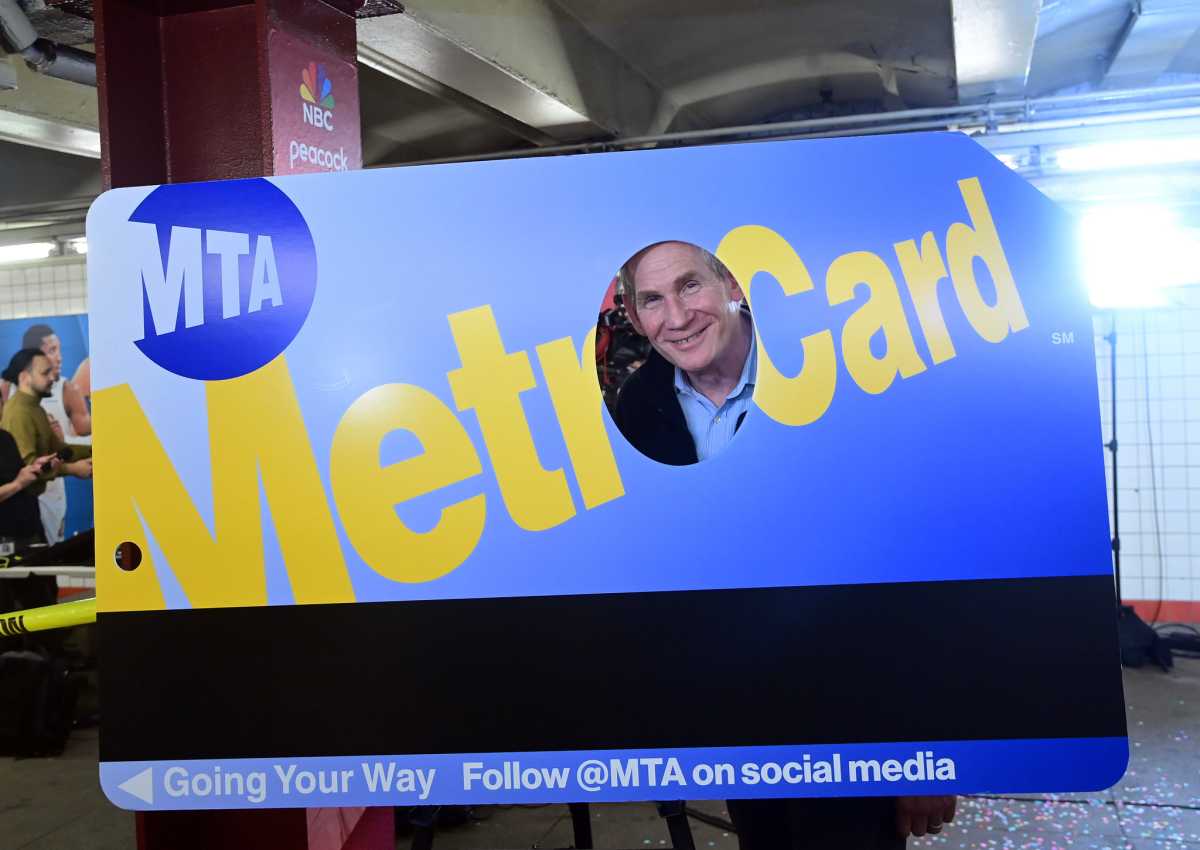
Jodi Shapiro, a curator at the New York Transit Museum, which is currently running an exhibit bidding “FAREwell” to the MetroCard, told amNewYork she believes New Yorkers are already mourning.
“I think people are kind of sad it’s going away,” Shapiro said. “The same thing happened with tokens. People…until the very last minute that they could use them, they used them. There’s definitely people like that with MetroCards.”
Over three billion MetroCards have been encoded since they first came into the transit system in 1994, according to the MTA.
MetroCards were conceived as a replacement for the cumbersome tokens that had been in use since 1953.
Shapiro said the idea for the MetroCard was born in 1983 when then-MTA Chair Richard Ravitch pushed for the agency to replace tokens with fare cards that feature a magnetized stripe — known as “stored-value magstripe cards.”
Ravitch saw the cards’ introduction as a way to update much of the technology throughout the city’s transit system — a process that ultimately took over a decade.
The MetroCard was introduced alongside new, compatible turnstiles, using “automatic fare collection” (AFC) technology, Shapiro said. The card was introduced at an increasing number of stations as the turnstiles were replaced, an effort that the MTA completed in 1995.
The transit agency also installed MetroCard-reading fare boxes aboard the city’s bus fleet.
At the same time, the MTA launched a massive ad campaign to teach riders about the MetroCard, Shapiro said — and, in particular, how to swipe.
“At that time, since not many systems in the United States used a magstripe stored-value card as a fare card… this was really a behavior that needed to be taught to people in New York,” Shapiro said. “Especially on the subway, because swiping a card is much different than dropping a token into a turnstile.”
The MetroCard also made it possible for transit riders to transfer between the subway and the bus during the same trip without incurring a second fare. With the introduction of MetroCard Gold in 1997, the MTA allowed riders to transfer multiple times in the same trip instead of just once.
Furthermore, MetroCard Gold made it possible for riders to purchase seven and 30-day unlimited passes. The change was enabled by a technological advancement in the improved card.
“The real technological change was a different way of encoding the metal kinetic stripe so that it would allow multiple transfers, and also give the card the ability to have seven or 30-day unlimited modes, and offer discounts for people who would just put money on the card and use as they go,” Shapiro said.
The MetroCard and popular culture
Over the years, the ability to swipe a MetroCard has become an integral part of people’s culture.
One notable moment for former Secretary of State Hillary Clinton’s ill-fated 2016 presidential campaign was when she had to swipe her MetroCard five times in order to gain entry into a Bronx subway station.
“Twin Peaks” star Kyle MacLachlan was similarly caught on video trying and failing multiple times to get into the subway — a scene featured in a 2020 episode of the HBO show “How To with John Wilson.”
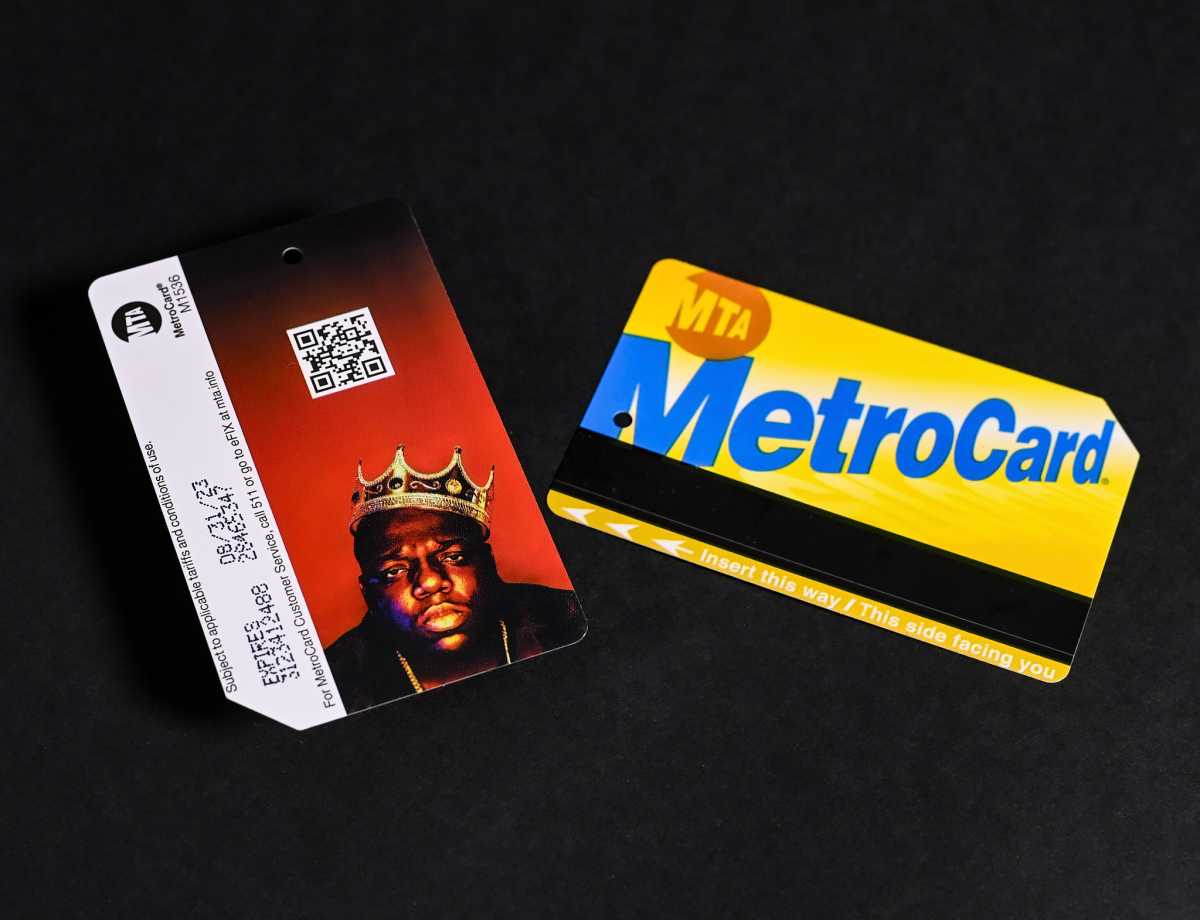
Other notable accomplishments of the MetroCard include its frequent use as a piece of advertising space. Advertisers who have been featured on the backs of MetroCards span from musical artists like Paul McCartney promoting their albums to TV shows like “Game of Thrones.”
Shapiro said New Yorker’s nostalgia for the MetroCard is a feature of the very unique relationship they have with their transit system. That is because the system was designed to bring people outward from lower Manhattan, she said, and in the process, it helped shape the rest of the city.
“New York would not be what it is today had it not been for our transit system,” she said. “Whether people know that consciously or not, I think that might be the reason why New Yorkers have a very deep emotional attachment to their transit system. And things that belong to that system, like the token, like MetroCard, train types that have been retired, people feel very protective of them in a way and reverent.”
The MetroCard is survived by its successor, the OMNY card, and millions of commuters who will fondly remember the gold-and-blue key to their city that fit in their wallets.