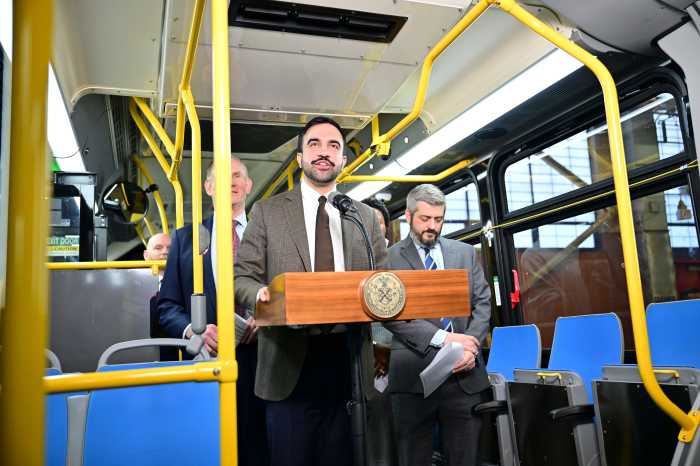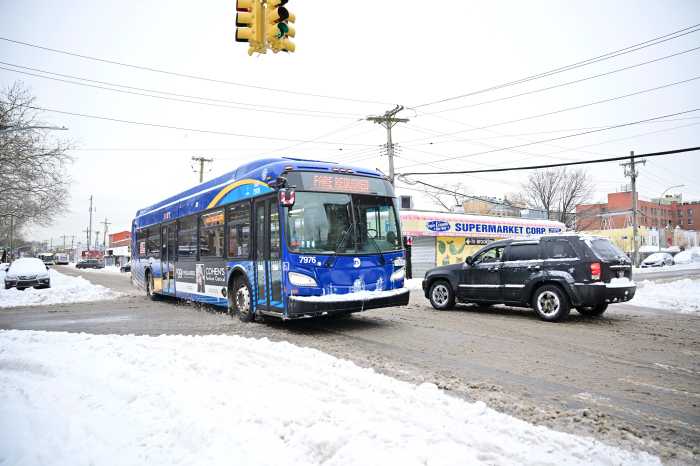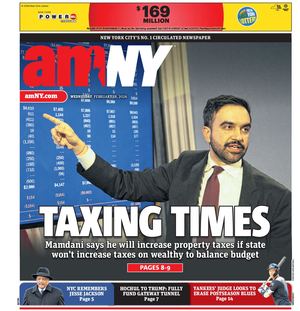


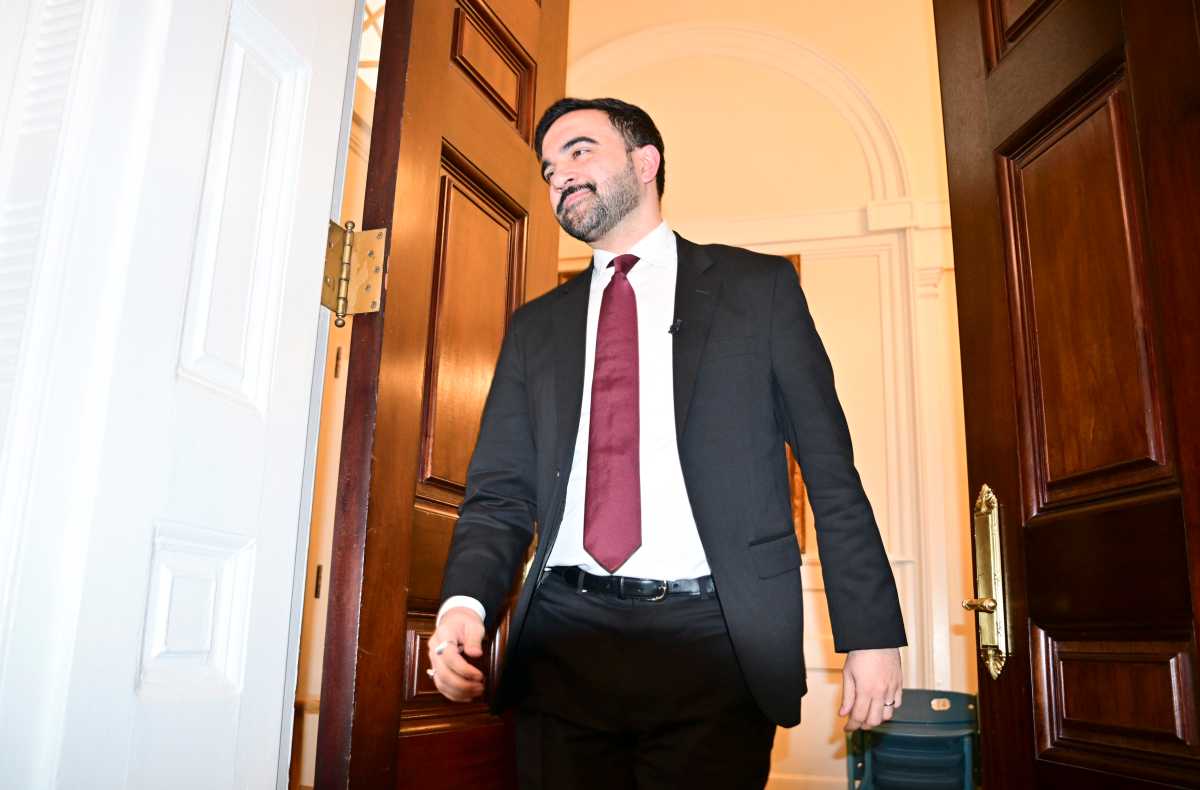
Transit advocates blasted Mayor Zohran Mamdani for declining to increase funding for the city’s discounted fare program in the preliminary budget proposal he released on Tuesday.
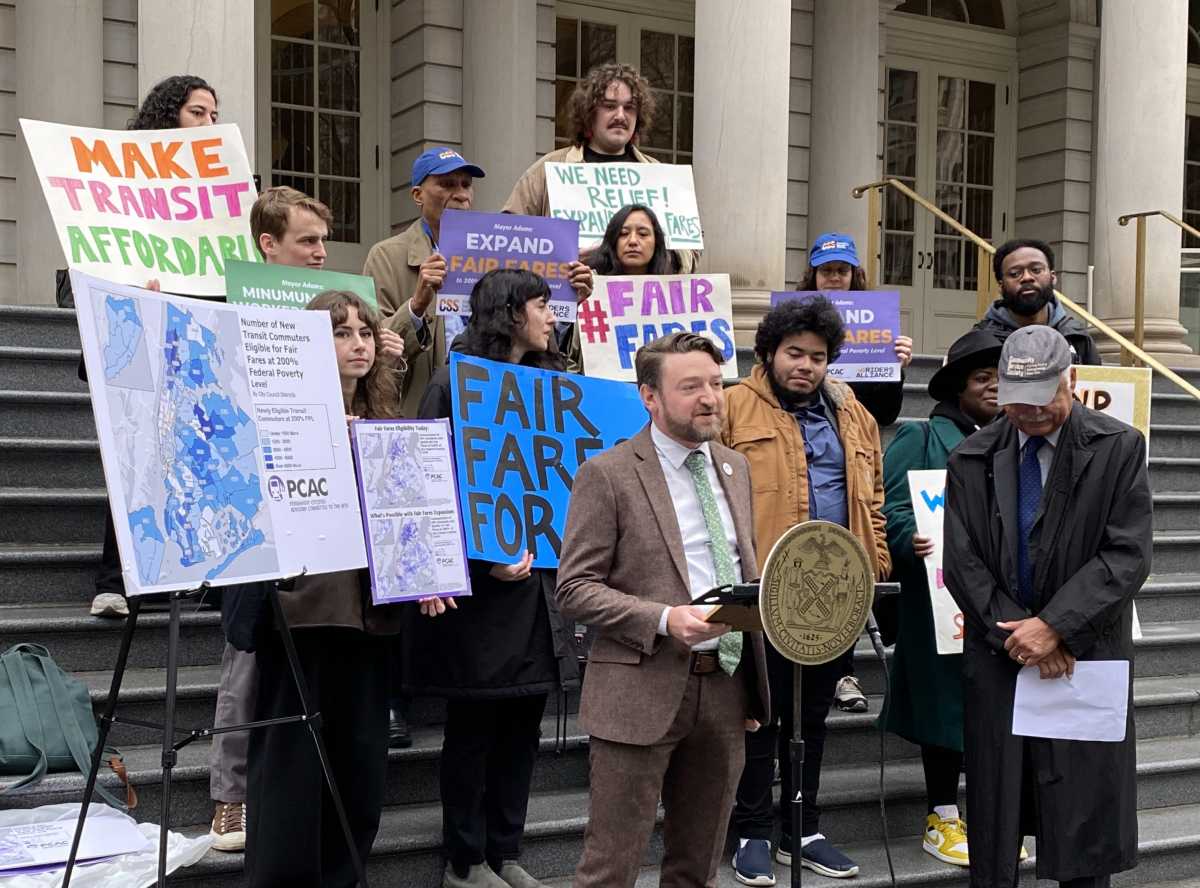
Advocates with Riders Alliance and the Permanent Citizens Advisory Committee (PCAC) to the MTA pointed out that Mamdani’s $127 billion spending plan does not fund an expansion of the Fair Fares program, which currently provides New Yorkers making 150% of the federal poverty level with half-priced public transit trips.
“The preliminary budget appears to contain no expansion of the Fair Fares program, despite the recent fare hike, the struggle 1 in 5 riders face to afford the fare, and the dilemma too many New Yorkers face between the fare, other necessities, and the risk of arrest just to get around,” said Riders Alliance spokesperson Danny Pearlstein in a Tuesday statement.
“When the final budget is adopted in June, public transit riders expect the mayor and Council to broaden the eligibility requirements and deepen the affordability of Fair Fares, delivering reduced or free subway, bus and paratransit fares to two million New Yorkers who need them,” he added.
The preliminary budget keeps Fair Fares at the level established by Mamdani’s predecessor, former Mayor Eric Adams, and former City Council Speaker Adrienne Adams last year — just over $96 million. The program’s funding is baselined, meaning it is baked into the budget going forward.
The Riders Alliance and PCAC are part of a coalition of advocates pushing for a dramatic Fair Fares revamp in this year’s budget cycle. It wants to see the program provide free subway and bus rides to those making up to 150% of the federal poverty level and half-priced fares to those making between 150% and 300%
Expanding Fair Fares to 300% of the federal poverty level would make the program available to individuals making up to $46,950 annually and a four-person household earning up to $96,450 per year, according to a report by PCAC. That would make roughly 2 million New Yorkers eligible for Fair Fares, meaning over one million more riders would qualify.
The latter change would make transit free for the approximately 1.3 million New Yorkers who are already eligible for half-fares under the program — those at or below 150% of the federal poverty level. It would cover individuals earning $23,475 annually and a four-person household earning $48,225 annually.
Taken together, the expansion would cost roughly between $275 million and $330 million.
Lisa Daglian, PCAC’s executive director, said the money needed to fund the expansion is “really couch cushion money.”
City Hall spokesperson Sam Raskin, in a statement, cited the Mamdani administration’s focus on closing a $5.4 billion deficit as the reason for the move.
“The Mayor shares transit advocates’ vision of fast, reliable, and affordable public transit for every New Yorker,” he said. “As we work to close a $5 billion budget gap, the Mamdani administration is reviewing transportation proposals carefully and responsibly, with a focus on riders and working families.”
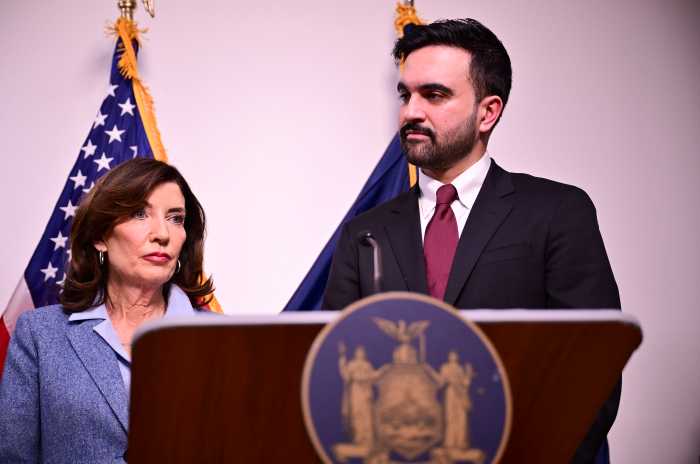
Making transit more affordable was one of the central planks of Mamdani’s successful mayoral campaign — with his pledge to make city buses free. But while the mayor must convince Gov. Kathy Hochul and the state-run MTA to get on board with his free bus proposal, he has the power to expand Fair Fares himself.
Daglian acknowledged that Mamdani’s preliminary spending plan is just the beginning of the budget process, which must conclude by June 30.
“To the mayor’s credit, he said this is the beginning of the conversation,” she said. “We know that affordability is critical to his everything, that the mayor stands for affordability. We know that there have been, over the years, a lot of changes to budgets from the first page to the signed page, and that there are a lot of voices that weigh in. Ours included.”