

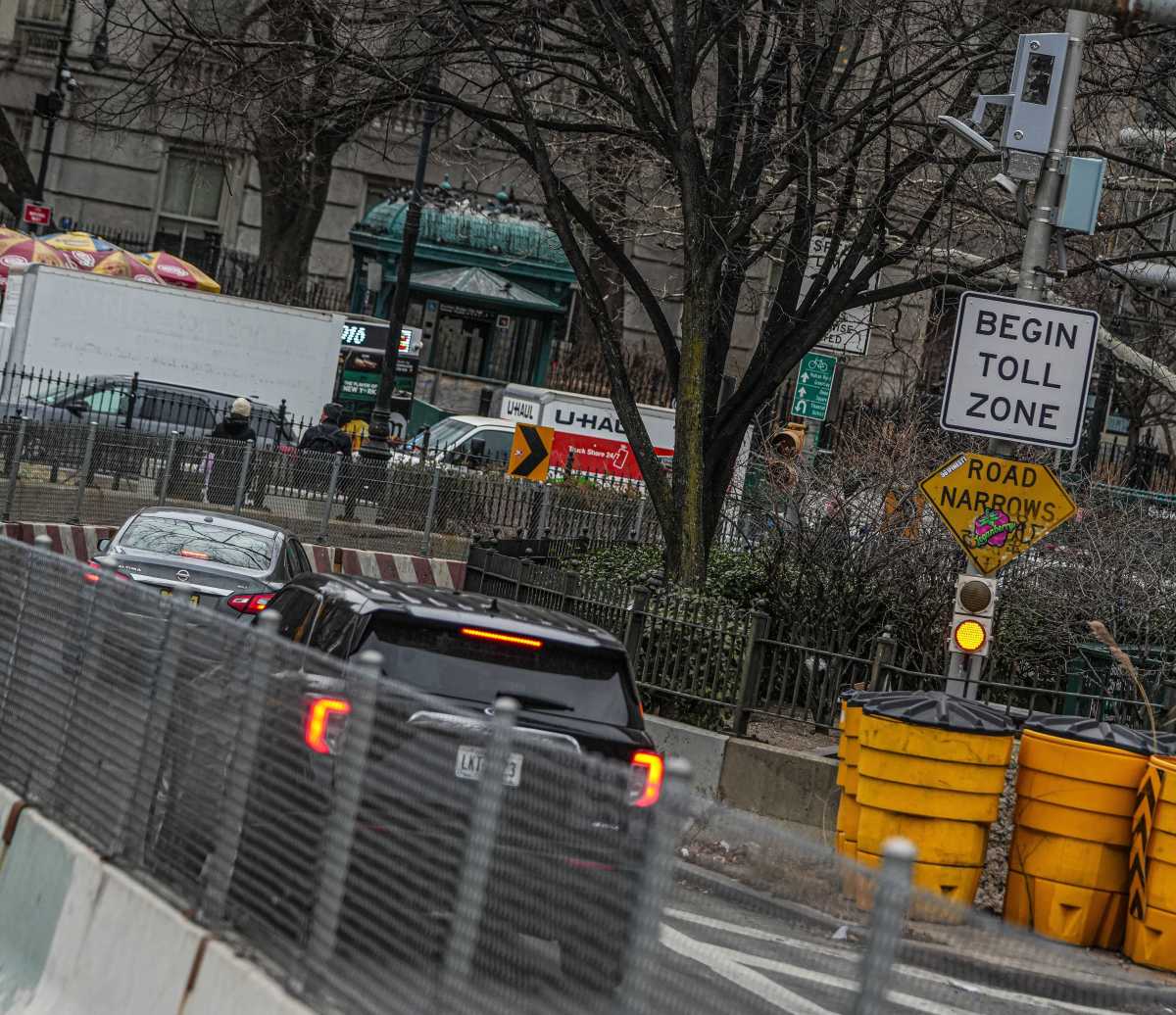
Federal Judge Lewis Liman’s ruling against the Trump administration Tuesday in its quest to kill congestion pricing in Manhattan ought to put to rest any future effort to stop the traffic-busting toll program.
Liman’s ruling was centered on his interpretation of the law that Trump’s Transportation Department (DOT), led by former reality TV star Sean Duffy, acted unlawfully in ordering the MTA and New York state last year to kill the program that the Biden administration previously approved.
After Liman’s ruling, Duffy and the Trump DOT vowed to appeal to a higher court. They won’t take no for an answer, after all. But pursuing this ridiculous effort by the federal government to tell the city and state what to do with its own streets is a fool’s errand, and a waste of time.
Congestion pricing was not authorized in a vacuum by a cadre of elected officials meeting in secret. The plan was approved through legislation passed by the state Legislature and signed into law in 2018 by then-Gov. Andrew Cuomo — all of whom were elected by the people of this state.
It then went through the proper review process of the federal government under the Biden administration, and the president signed off on it. That signature of approval lasts in perpetuity and cannot be undone by a successor.
New York, and only New York, has the authority to keep or kill congestion pricing. These are our streets, after all. The day may come when a majority of New Yorkers urge their elected officials to put the program to rest, but when it does, it should be the people of New York speaking for itself, not federal bureaucrats in Washington, DC.
Right now, here’s what we know about congestion pricing: it is accomplishing the mission’s main objectives.
Traffic is down in the Central Business Zone (CBZ) south of 60th Street in Manhattan, where drivers are tolled upon entering. The first year saw an 11% drop in the number of vehicles entering Manhattan, according to the MTA. Air pollution emissions have also dropped by 22%. Average speeds on CBZ streets are also up.
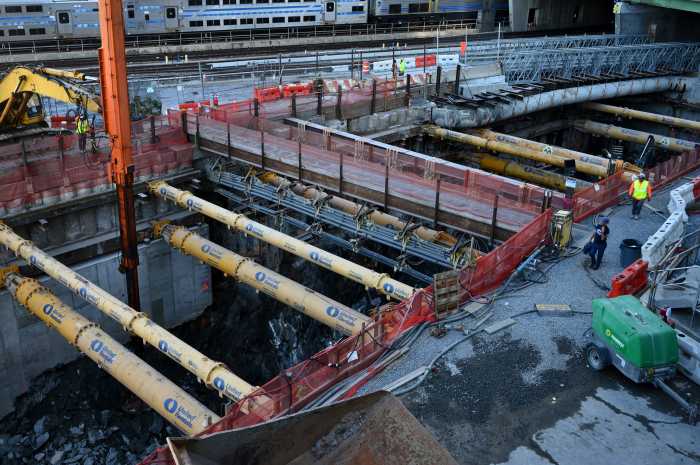
Tolls from congestion pricing generated more than a half-billion dollars in new revenue for the MTA to leverage into mass transit infrastructure improvements from signal upgrades to purchasing new buses. Subway ridership is also surging again to levels not seen since before the COVID-19 pandemic hit the city six years ago.
And congestion pricing has not hampered the growth of business in Manhattan. Foot traffic in the CBZ is higher than in areas outside of it. The city’s economy has grown, not contracted, in the congestion pricing era. Even trucks are making their deliveries in the CBZ faster and more efficiently.
Congestion pricing is a qualified success for New York. There is no reason for any bureaucrat outside the city to stand in its way any longer.