
Every day in New York City, thousands of people are stuck in shelters not because they are unprepared to move on, but because the kind of housing they can afford simply does not exist. One of us works inside that reality as a rehousing director for social service providers. The other works on legislation that can change it. From both vantage points, the conclusion is the same. Our city needs modern shared housing, and the recently introduced bill in the City Council would finally allow it for the first time in decades.
Shared housing, in plain terms, means giving people their own private room to call home while sharing certain facilities like a kitchen or a lounge. It can take many forms. Sometimes it is a traditional Single Room Occupancy setup where each person has a private room and shares basic amenities. Sometimes it is a small suite with a few private rooms arranged around a shared kitchen. In other cases it resembles dorm style cohousing, where people have private space but also share larger communal areas. It’s a formal category for the informal arrangement many New Yorkers have – roommates.
This type of housing is not for everyone, but for many New Yorkers it is the ideal fit. That includes young adults starting out, single working people, older adults on fixed incomes, newcomers trying to find stability, and people leaving the shelter system who simply need a safe, affordable room so they can rebuild their lives. Many New Yorkers already rely on informal versions of shared housing by splitting family sized apartments with multiple roommates. Those arrangements sometimes offer opportunities but often leave people with no tenant protections and very few safety standards. Illegal partitions, overcrowding, and sudden displacement are common. Regulated shared housing offers a far safer and more stable alternative.
For decades, New York City relied on this category of housing to serve single adults and working people. When those homes were effectively outlawed, they disappeared. As they disappeared, homelessness rose. This is not a coincidence. It is what happens when an entire rung of the housing ladder is removed. People fall, and they stay down.
We have both engaged with neighbors who say they oppose shared housing because they worry about vulnerable populations. We share the concern but not the conclusion. Outlawing shared housing does not protect anyone. It traps them in shelters.
We have both met people who are entirely ready to leave shelter. They have their documents. They have their voucher. They attend every required appointment. And still, they wait because the type of unit they can afford does not exist. Each time someone is told that nothing new is available, the hope drains from them. The toll this takes on a person is not abstract. It is immediate and human. Keeping things the way they are has real consequences.
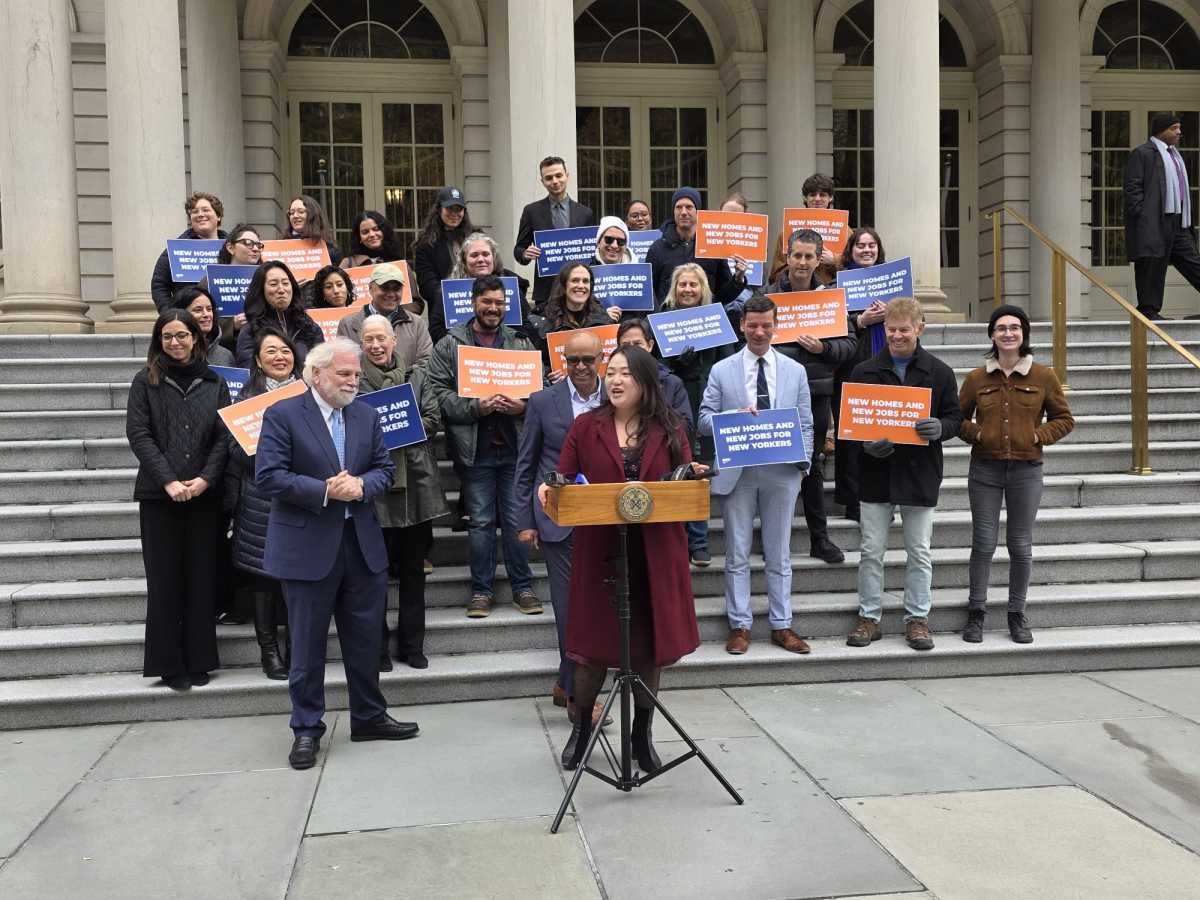
The shared housing legislation introduced in the City Council finally gives us a way to rebuild this missing housing type with modern safeguards that reflect everything we learned from the mistakes of the past. The bill sets strict safety requirements for sprinklers, ventilation, and electrical capacity. It caps suite-style units at three rooms so that we are not creating overcrowded or unstable living conditions. It includes privacy protections that ensure every resident has a real door they can lock. These rules make it impossible to recreate the substandard housing that once gave shared units a bad reputation. This is not a return to the past. It is a reinvention built on dignity and safety.
Some living situations are not intended to be permanent. Some are stepping stones. And our policies must reflect that reality. Thousands of New Yorkers would thrive in a well designed suite or Single Room style home, especially if it means they can finally exit shelter and build stability. Creating this housing would also free up larger apartments for families who desperately need them.
Some argue that opposing shared housing is the progressive position. We strongly disagree. It is not progressive to insist on a housing model that does not exist at the scale we need. It is not progressive to ask a sixty-year-old on a fixed income to compete for a one-bedroom apartment that costs more than their entire monthly benefit. That is not compassion. That is denial.
If you want to understand why real progress is needed, talk to someone who has been living in a shelter for a year with no viable options. Progress is giving that person a safe, regulated, private room they can afford. Progress is acknowledging that our city has changed and our housing tools must change with it.
We support this legislation because we know what it will mean for real people. It will mean fewer older adults languishing in dorm style shelters. It will mean fewer medically fragile people sleeping three feet from strangers. It will mean faster placements, better outcomes, and stability for thousands who do not have it today.
This is our chance to rebuild the missing rung on the housing ladder. The people we serve deserve nothing less.