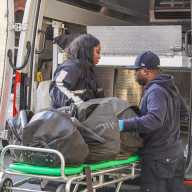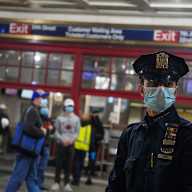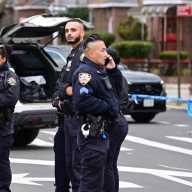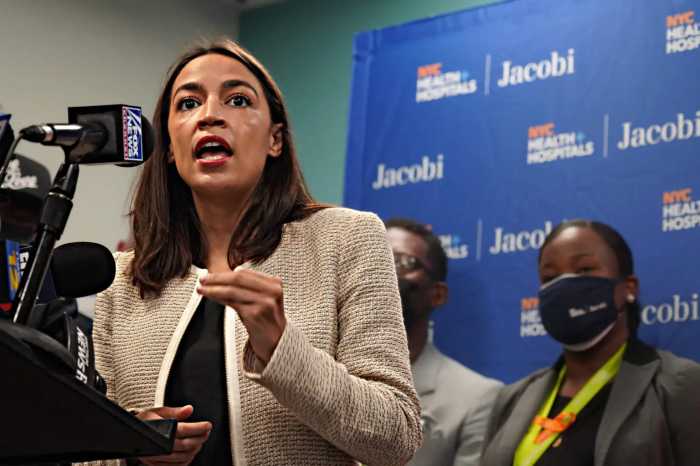


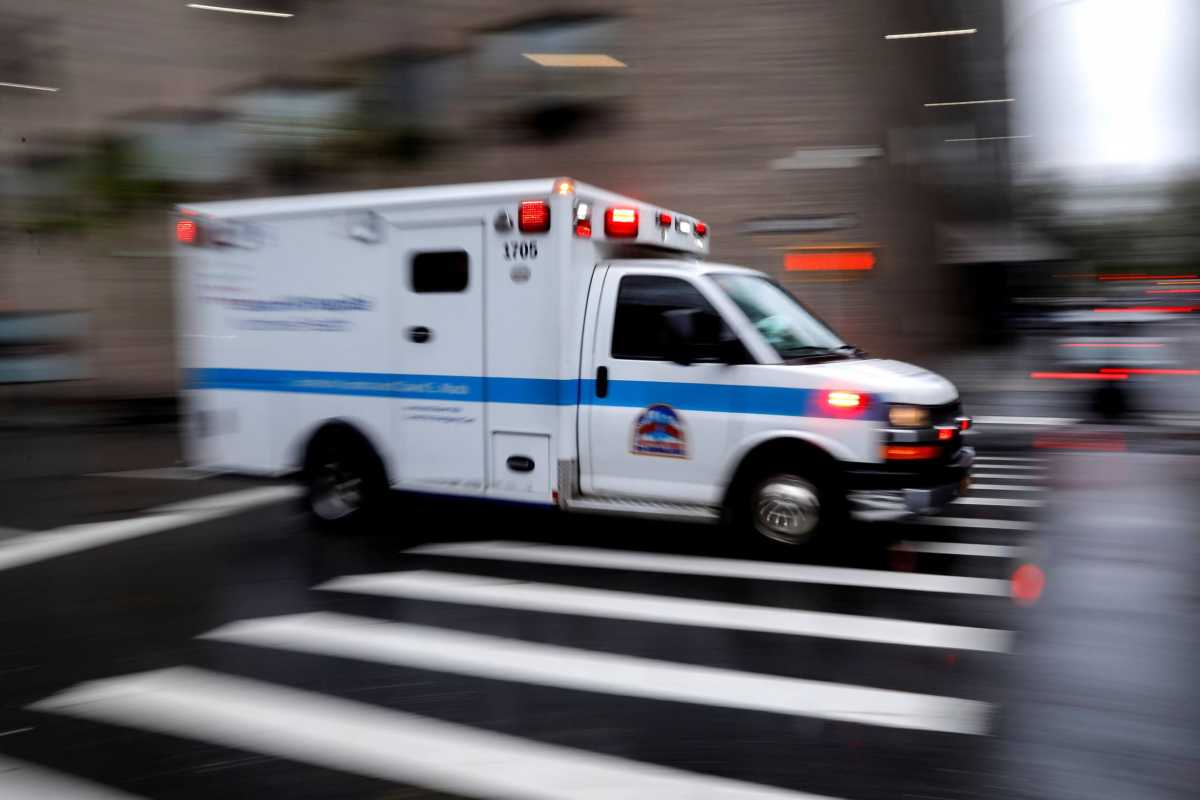
I will tell you exactly why it’s taking longer to get an ambulance in 2025. No one wants to work in a field where we are paid inadequately for high risk and stress. So everyone is leaving the FDNY EMS, which is still only able to cover ⅔ of the actual 911 call volume. The City, the Hospitals, and the private sector are refusing to compensate EMTs and Paramedics, while the call volume is only increasing. You have an increasing demand for EMS services while the supply of providers is diminishing. You have an entire workforce with one foot out the door. In short, City Hall does not seem to think a uniformed EMS service is essential to invest in. “Essential” means a budgetary allocation that accounts for the fact that the public expects an ambulance. The 911 medical response is fractured. The risks to human life are real. What is not really being talked about is how much money ambulances generate.
The City is in stalled contract negotiations with FDNY EMS Union Locals 2507 & 3621, which represent around 4,500 FDNY EMS workers. Or around 66% of those serving the 911 ambulance service of New York City. The other 33% are largely based out of hospitals. Hospital-based EMS is largely represented by 1199SEIU. There are around 6,000 more EMS in the interfacility hospital commercial sector. In total, a workforce of 15,500 EMTs and Paramedics responds to around 5,500 911 calls per day, and a comparable number of transport calls. The reason why the FDNY EMS is still working for $18.94 a day is that no one cares about them, and because of the Taylor Laws, they cannot strike, and many of them are using it as a stepping stone to go to fire suppression. But EMS makes money; $367 million in revenue to cover its costs in Fiscal Year 2024. Each ambulance ride is billed “Basic Life Support” (BLS) $1,385 to “Advanced Life Support” (ALS) services at $1,692, depending on the service level. There’s also an additional charge of $20 per mile traveled with the patient and a charge for oxygen ($66). No matter what anyone says, EMS makes money.
The constant low-level violence via assault is pervasive. The monthly death or suicide of an EMS member adds to this feeling of doom and dread. Hypervigilance is the underlying issue. Hypervigilance requires constant mental preparation for something horrible or threatening to happen. Then the dice roll, which is informed by where you work, as some divisions have a lot more high acuity calls than others. But all of it is exposure to things that are hard to see, much less hard to participate in managing. There is a public expectation that lives are going to be saved; that EMS is a valuable part of public safety. As a national service of over 1-2 million EMS, many lives are prolonged and saved. But the day-to-day violence of being an EMT or Paramedic is about the low-intensity doom, the readiness, the long hours, the inability to separate from the job when you are home. Low wages equal long hours equal physical and mental deterioration. The compensation isn’t there, and this is a job, not a “calling”. Money is changing hands on every assignment.
Various studies link full-time 911 EMS service to the physical and mental effects of serving in a war. We should talk about the violence we in EMS have inflicted on us physically. Such as daily assaults on our members of service while at work. Being struck, being spit on, being physically assaulted. Being stabbed, shot, run over. Probably more than daily, this happens to one of us here. Then, it is hard to quantify the mental harm/ PTSD harm the job scientifically exposes everyone to, and the toll it takes over time. What do you think it does to the human mind to work 60 hours a week, not sleep, not eat properly, AND have to constantly be around death, sickness, and trauma? What exactly do you think it feels like to be tasked to bring back the dead when you know, and the whole industry knows, that 99% of the time they are not coming back intact? And the public does not understand that because of TV and movies. But not just arrests. What about vomit, feces, blood, and spit on you each day? What about people screaming and crying, and complaining every day? What about being a witness to rape, child molestation, domestic violence, drug abuse, and homicide? Why is that exposure being compared to flame or crime? It’s a different human interaction, but no less dangerous to the body and mind. We are exposed to low-intensity violence which breeds hyper-vigilance, punctuated by high-intensity calls that stay with us forever, no matter our mechanism of coping or debriefing. We are thankful for the self-defense training and the vests, as well as the $1 million council allocation for the all-EMS mental health pilot program.
The mayor and the council have to stop making excuses and realize that there is a public expectation to get an ambulance. Where there is blood, risk, death, and a lot of money being made, it cannot be justifiable to pay EMTs and Paramedics $19 per hour.
Walter Adler is a 22-year paramedic and President of the Emergency Medical Services Public Advocacy Council (EMSPAC 501(c)3). He is a JD Candidate at CUNY Law and an active duty EMS member of service.