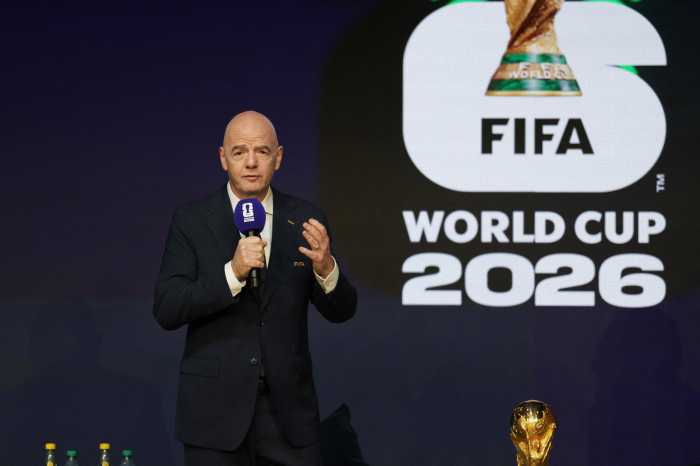


FIFA World Cup games will be coming to the New York area in a few months, but there are still significant details to work out, as the City Council’s Economic Development Committee learned during a Friday hearing at City Hall.
City leaders are grappling with how to make the hosting experience affordable for local fans, despite skyrocketing World Cup match tickets. Fan activations are planned for Rockefeller Center and Louis Armstrong Stadium in Queens, but beyond that, nothing has been set in stone.
Plans for a FIFA World Cup Fan Fest in New Jersey were recently shelved, in favor of smaller activations around the area.
No actual FIFA matches will be played in New York City proper; MetLife Stadium in New Jersey is hosting eight matches from June 13 to July 19, including the final.
Nevertheless, the city sees the World Cup as a golden opportunity to spur more interest to the region as the host of other marquee sporting events in the future.
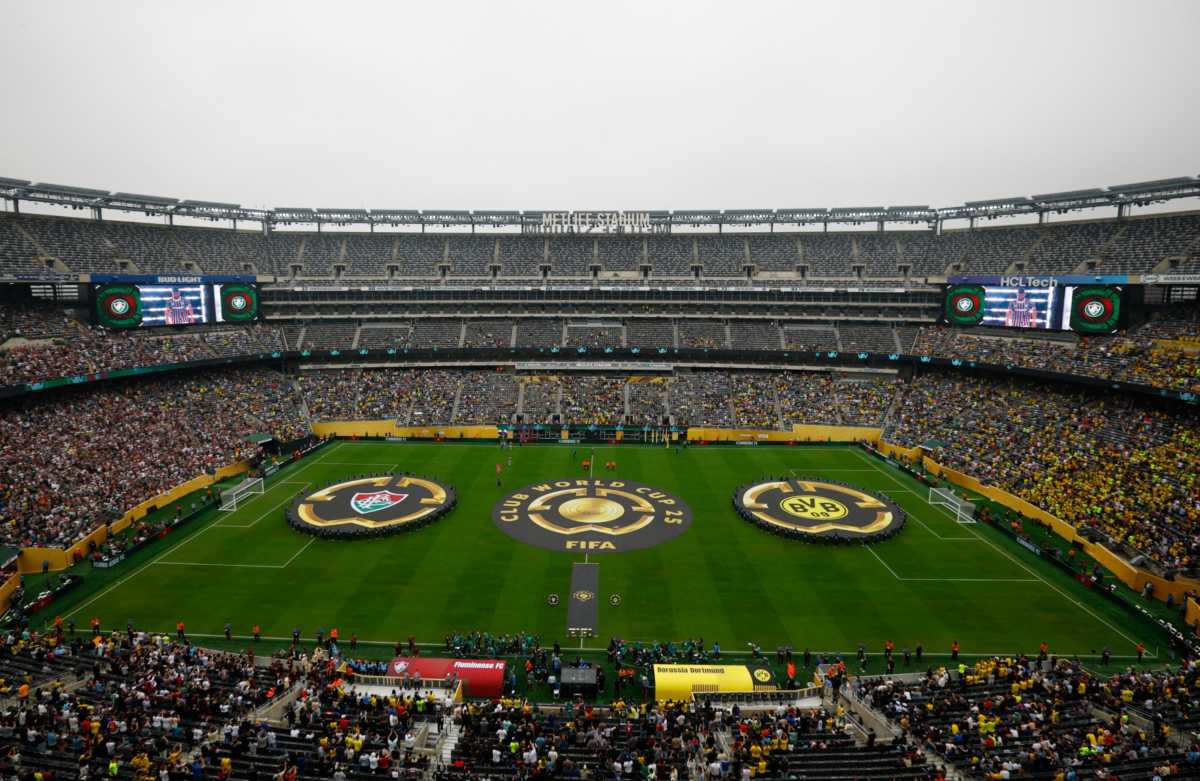
The host committee projects that the World Cup will bring $3.3 billion in economic impact, and produce $430 million in tax revenue.
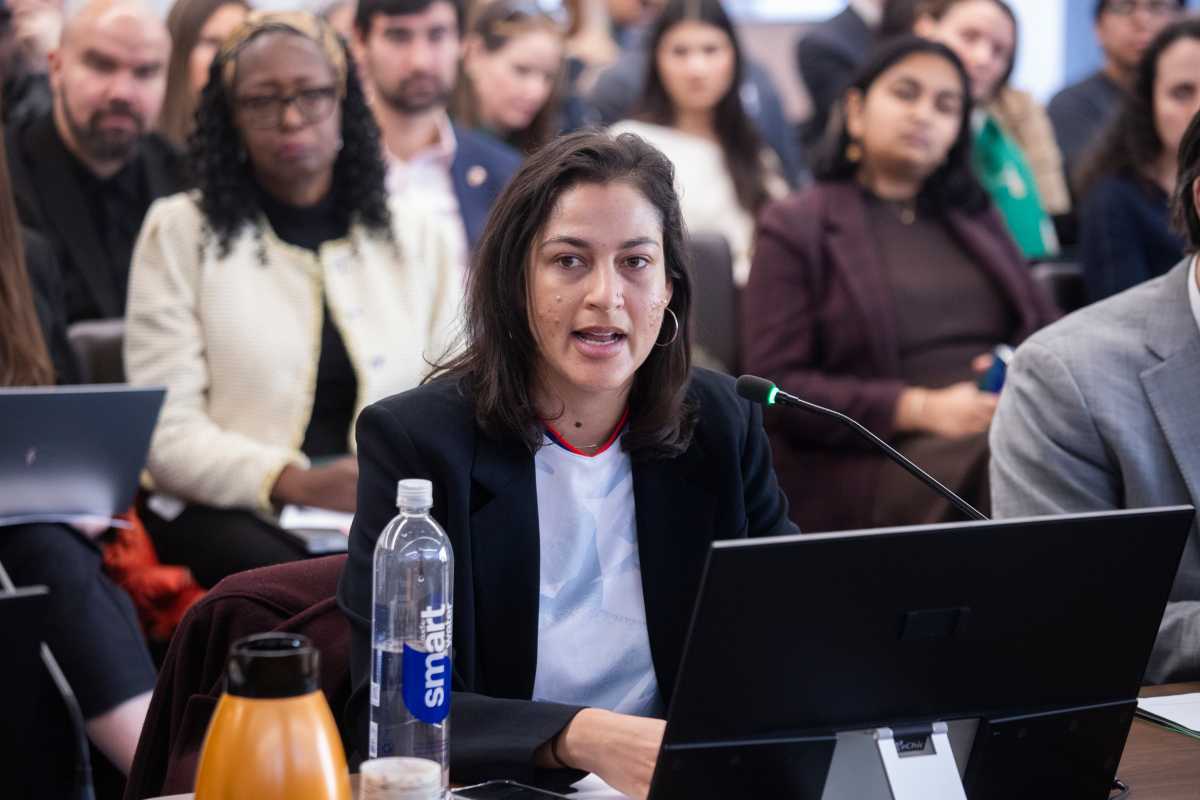
“Our responsibility now is to help make sure that this global event delivers real, civic and economic value here in New York City, especially for working class New Yorkers,” said Maya Handa, World Cup Czar, at the hearing.
So far, the city has committed to investing $35 million in hosting efforts. The first $20 million was allocated under the Adams administration and has mostly been spent on marketing efforts.
The remaining $15 million, which was appropriated under Mayor Zohran Mamdani, has not yet been spent. City Hall is still deciding what to use it for, Handa said.
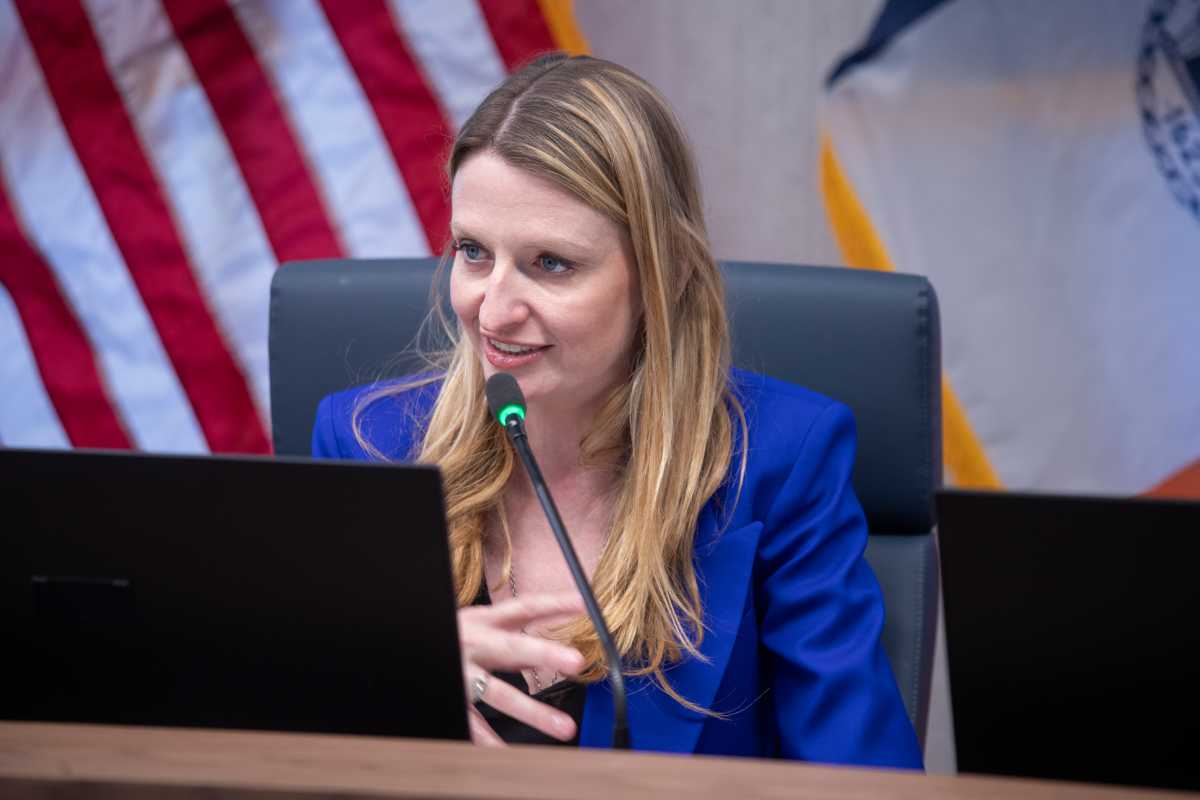
City Council Member Virginia Maloney, who chairs the Economic Development Committee, asked what percentage of the overall $35 million investment would be going towards the free, publicly accessible events, but Handa didn’t have an answer.
City officials are also looking to collaborate with BIDs on events like watch parties for the fans, and are in active communication, Handa said.
Jeffrey LeFrancois, the co-chair of the New York City BID Association, said that the Adams administration instituted a moratorium on BID applications for events from June 1 to July 18.
“I don’t think this is unreasonable,” LeFrancois said. “What’s unreasonable is that it’s March, and we don’t yet have an indication of what FIFA even wants to do across the five boroughs.”
Aside from fan activities, the region expects 1.3 million tourists during the tournament, putting extra pressure on transit, hotel and security staffers.
Handa said that the NYPD, FDNY and New Jersey State Police are actively meeting to discuss security concerns and adding personnel for the matches. She did not comment on if the city has any plans to increase the security budget, or the budget for any agency that might see more work during the tournament.
Earlier this month, Mamdani expressed interest in making all New York City buses free during the World Cup to prove the value of free bus service, one of his key issues on the campaign trail. Handa and her team do not currently have projections on how that would impact revenue.
Another logistical challenge for hosting the World Cup is where the massive influx of tourists is will stay. Making matters potentially more dicey, on Thursday, the union representing many hotel workers in the Big Apple said it might strike if it doesn’t get a new contract before the World Cup.
“Negotiations between our union and the hotel industry will determine whether New York hosts the World Cup with stability and shared prosperity,” said Rich Maroko, president of the NY/NJ Hotel Trade Council, at the hearing.
He added that they do not want a strike, but they want their workers to be fairly compensated for the added labor and hospitality they’d be expected to provide.
Maloney stressed the urgency of getting “much crisper” in the organizational details, like coordinating with local communities and getting the word out to fans about events.