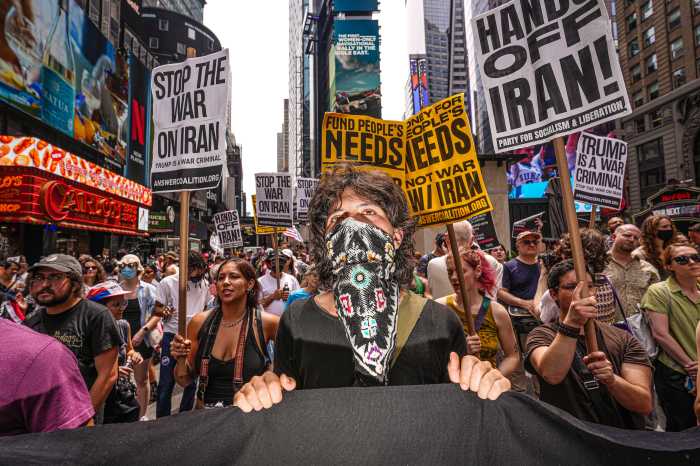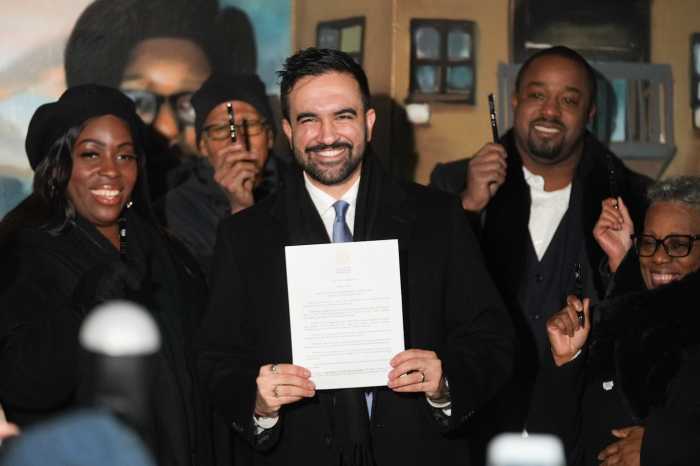



Mayor Zohran Mamdani may not be a fan of what he’s called an “illegal war of aggression” on Iran — but on Tuesday, he stressed his criticism of the joint U.S./Israel air strikes should not be confused with a defense of the oppressive regime.
Mamdani described Iran’s government as “brutal” and repressive while cautioning against U.S.-led regime change in the country. He also repeated there are currently no specific threats to NYC despite heightened global tensions and increased security measures.
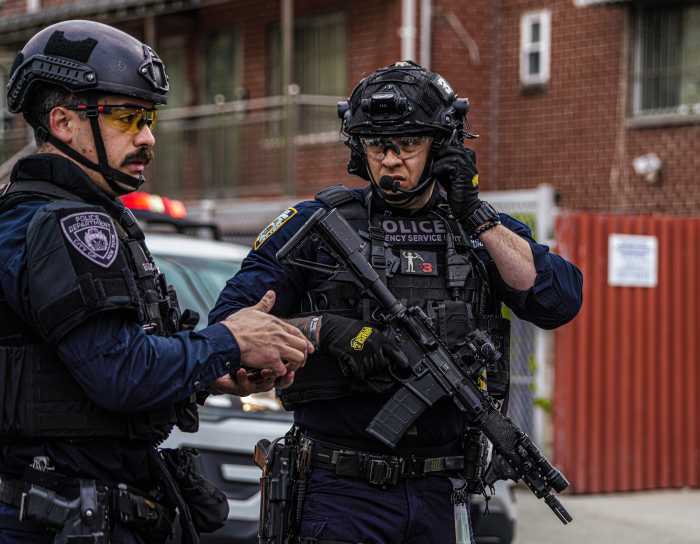
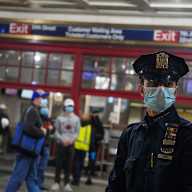
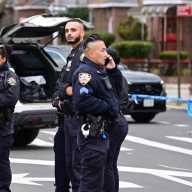
His remarks follow days of escalating military conflict involving Iran, Israel, and the United States that have prompted security reviews in major cities nationwide. In the city, officials have increased patrols at sensitive locations, including houses of worship and diplomatic sites, out of what Mamdani called “an abundance of caution.”
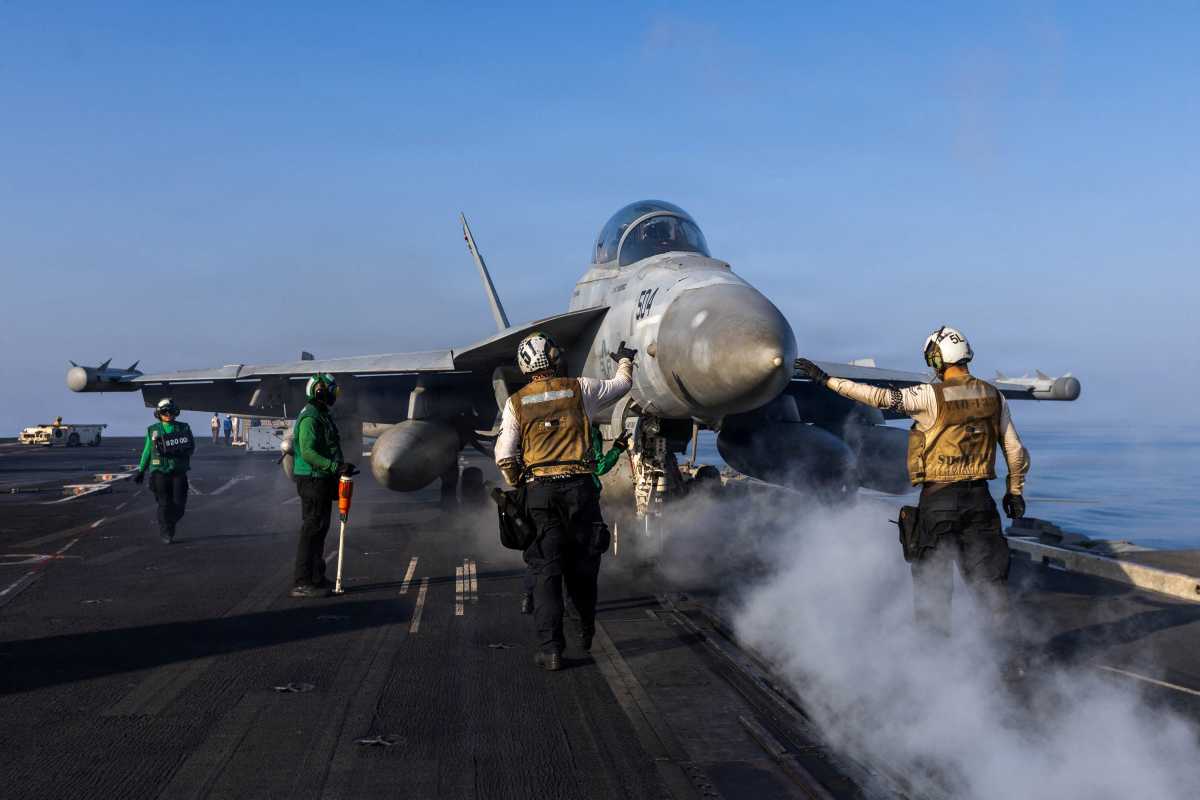
President Donald Trump announced on Mar. 3 that potential new leaders of Iran were killed in the U.S.-Israeli bombing campaign that began on Saturday, warning that the next leadership could be “as bad” as the last. In a letter to Congress, Trump framed the strikes as protecting U.S. forces, advancing national interests, and defending regional allies, including Israel, while acknowledging the scope of future operations remains uncertain.
Since the campaign began Saturday with the killing of Iran’s Supreme Leader Ayatollah Ali Khamenei, close to 800 people have died across the region, according to state media, citing the Iranian Red Crescent. Six American soldiers have died in combat through March 2, according to U.S. Central Command.
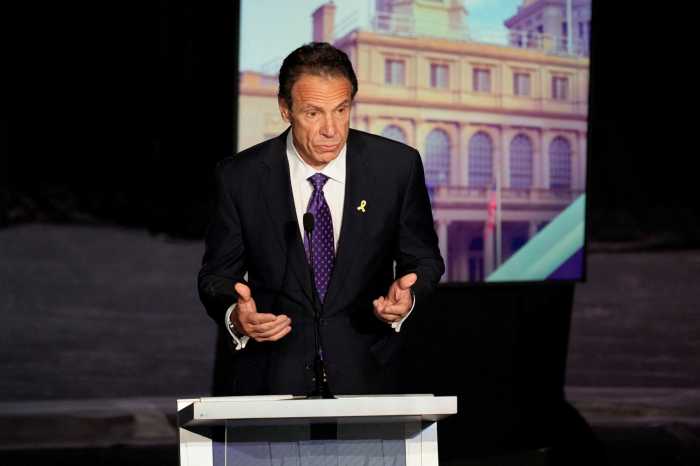
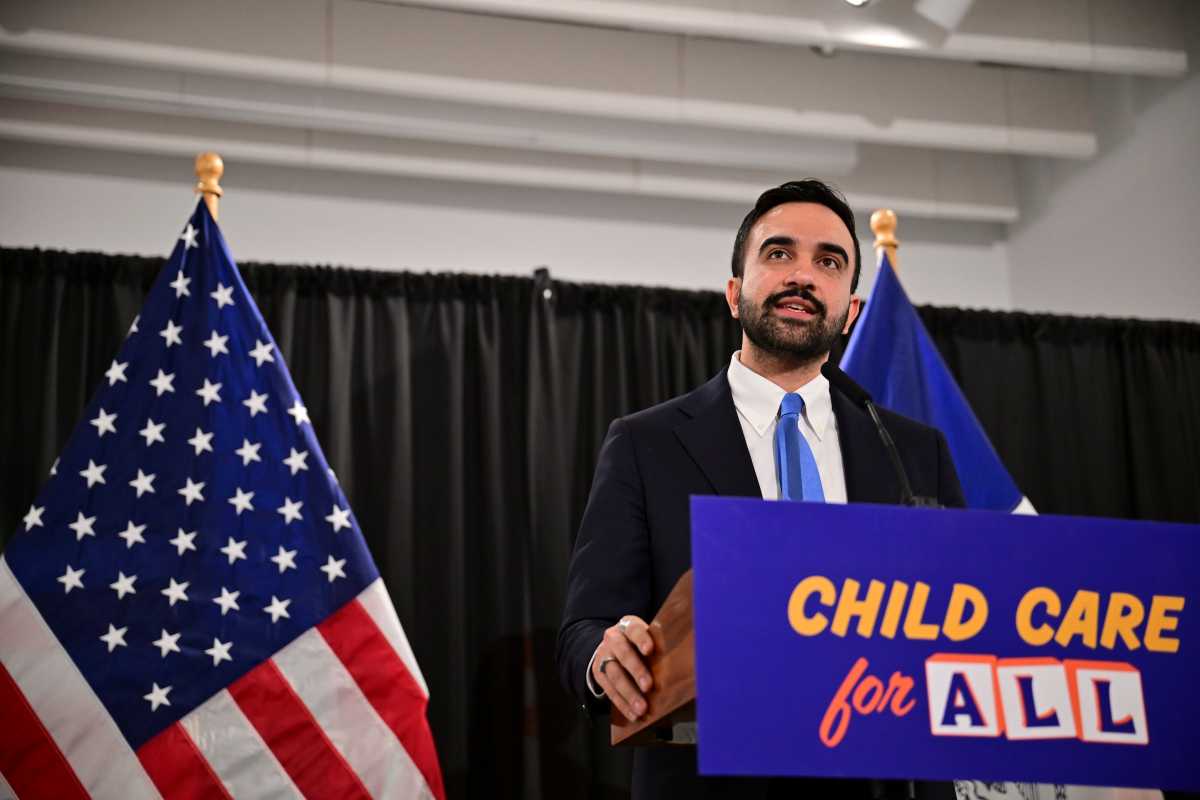
Speaking at an unrelated news conference on March 3, Mayor Mamdani denounced the Iranian government for engaging in “systematic repression,” including killing thousands of Iranian people seeking to express basic dissent. “It is a brutal government,” he said.
But the mayor also warned against repeating what he described as the devastating consequences of prior U.S. wars in the region pursued with the goal of regime change.
“I may be a young mayor, but I am old enough to remember the devastating consequences of our country pursuing a war with the intent of regime change in that very same region,” he said.
Since World War II, successive U.S. administrations have repeatedly intervened to topple governments in the region — from Iran in 1953, to Afghanistan in 2001, Iraq in 2003, and Libya in 2011 — often with long-term instability following those efforts.
The NYPD has stepped up visible presence across the five boroughs, he said, though he emphasized there are currently no known or credible threats to share with the public.
“At this time, there are no threats to share,” Mamdani said. “Everything that we are doing is out of an abundance of caution.”
He said he has remained in constant communication with the police commissioner and emergency management officials to ensure coordination and preparedness, particularly as Jewish and Muslim New Yorkers observe major religious holidays.
“This is also a time when there is a sense of anxiety about whether New Yorkers can celebrate themselves their faiths, in a moment of such anxiety and tumult across the world, and we are taking the steps to ensure that our police officers are present, they are visible, and reassuring New Yorkers that they do not need to sacrifice an ounce of themselves to be safe in this city,” Mamdani said. “They can be the fullest versions of themselves, and I’m thankful of the work of the men and women of the NYPD in making that the case.”
Mamdani speaks about security clearance
Mamdani also addressed questions about his federal security clearance, confirming that he is still going through the standard vetting process, as first reported by City & State. He said the timeline, which can take months, is routine and has not impeded city operations.
“There are a number of members of my senior staff who do have that clearance,” he said, including Police Commissioner Jessica Tisch and his chief counsel, Ramzi Kassem. “This is in no way impeded our abilities to respond both to the day-to-day needs of New Yorkers, as well as to respond to the current crisis at hand.”
The mayor added that he has not spoken with the president since last week’s Oval Office meeting, but said city leadership remains fully equipped to manage any developments related to the international situation.
While the mayor of New York City is not a federal official, the position traditionally includes access to classified briefings on terrorism threats and other national security matters affecting the nation’s largest city.
His pending clearance is not without precedent. Former Mayor Bill de Blasio did not receive a federal security clearance until months into his first term, despite the position’s traditional access to classified briefings on terrorism threats and other national security matters affecting the city. Former Mayor Eric Adams briefly lost some of his federal security clearance following his 2024 federal indictment.