


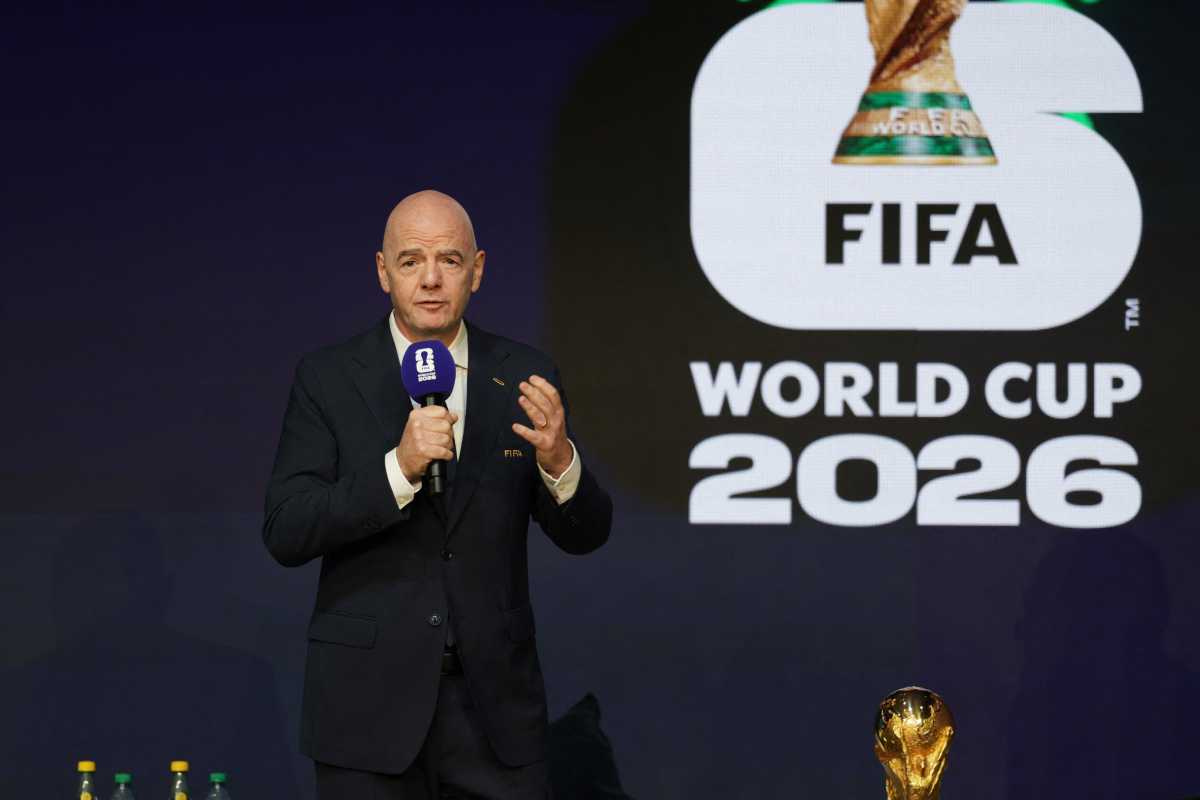
Amid never-ending criticism over the price of World Cup tickets next summer, FIFA was quick to point to a “more affordable” option when it rolled out tickets at $60 for loyal fans of individual nations. In reality, however, the new “Supporter Entry Tier” barely scratches the surface, leaving the vast majority of loyal supporters shut out from securing any affordable options.
Soccer’s governing body has come under intense scrutiny over the cost of World Cup tickets, primarily due to criticisms surrounding dynamic pricing, which has led to ticket prices surging to unprecedented heights, as described by Football Supporters Europe (FSE) as a “monumental betrayal” of fans.
The Croatian Football Association (CFA), for example, estimated that it would cost over $4,200 to attend the World Cup Final at MetLife Stadium, while FSE estimated that it would cost over $8,000 for an individual support to follow their country all the way to the World Cup Final — and that is if they were lucky enough to secure the cheapest tickets available in every round through the participant member association (PMA) allocation.
FIFA allocates 8% of match tickets to individual associations as part of the PMA allocation, but initially made no Category 4 tickets available, leading FSE to estimate that it would be five times more expensive for a fan to follow their country all the way to the World Cup Final than it was in Qatar in 2022.
Meanwhile, the vast majority of tickets – sold to fans regardless of their national affiliations – can be resold on FIFA’s official resale platform, which places no limit on the price that a ticket might reach, leading to some ticket prices ballooning to even greater heights as fans essentially began trading them as stock options.
Criticisms of FIFA’s ticketing policy appeared to force soccer’s governing body to relent by introducing Supporter Entry tickets priced at $60 for all 104 matches at the World Cup. But that move does not go nearly far enough to address the affordability issues facing this tournament.
The low-price tickets represent just 1.6% of tickets at each game, amounting to 0.8% per nation in any given match. For a game at the 82,500-seater MetLife Stadium, for example, that represents just 660 tickets per individual fanbase.

Those tickets, available to a nation’s “top cappers,” do not go far enough to cover all supporters who have loyally followed their team throughout the qualifying process. FIFA has also declined to increase allocations to individual associations, with the new low-cost tickets instead eating into the existing 8% allocation.
A further 40% of a nation’s PMA allocation will be designated Supporter Value Tier tickets, which are more affordable than some market-rate tickets but still rise well above $200. England’s Supporter Value Tier tickets, for example, start at $220 for a group-stage game, roughly double the cost of a ticket to watch England against Spain in the Euro 2024 final.
As a result, a significant number of match-going supporters will be shut out from the affordable tier and forced to pay potentially astronomical sums of money to follow their country next summer.
FSE issued a statement last week welcoming FIFA’s climbdown and stated that the move amounted to a recognition by FIFA of the “damage” its ticketing policies had caused. However, the organization added that the measure did “not go far enough” to address affordability issues at the competition.
“Based on the allocations publicly available, this would mean that at best a few hundred fans per match and team would be lucky enough to take advantage of the $60 prices, while the vast majority would still have to pay extortionate prices, way higher than at any tournament before,” FSE said in a statement.
Billy Grant, a member of England’s Football Supporters Association who has followed the English national team to every World Cup since 1986, said FIFA’s ticketing policy was “not justifiable,” adding that it has created “a lot of bad feeling” among match-going fans.
Grant added that FIFA’s climbdown was “not good enough” because it still prevents a number of loyal England supporters from securing affordable tickets allocated to the Football Association.
“FIFA has, in effect, turned its nose up at fans who have made the game what it is, made the World Cup what it is,” Grant told amNewYork.
FIFA, in response, pointed to unprecedented demand, with the governing body already receiving 20 million ticket requests for the tournament next summer. FIFA stated that the tournament’s pricing model reflects “existing market practice” for major entertainment and sporting events in North America, also citing North America’s established secondary ticket market.
Some commentary from US social media has defended the controversial pricing policy, with some accounts almost wearing high ticket prices as a badge of honor that reflects the economic strength of the United States.
But throughout the rest of the world, soccer has its roots in working-class communities, and the idea of paying the equivalent of a month’s rent on a single match ticket is not just unfathomable but opposed to everything the game stands for.
In Europe, for example, supporters could avail of “Fans First” tickets at Euro 2024, which priced group stage tickets at $32 and tickets for the final at $103. UEFA, the governing body of European soccer, made 14% of all Euro 2024 tickets available through the Fan First tier and provided 37% of all tickets to individual associations, dwarfing similar categories at the upcoming World Cup.
The result was a festival of soccer across Germany, with iconic scenes of orange-clad Dutch fans dancing in the streets behind a double-decker bus in Dortmund going viral across social media. Some estimates, meanwhile, placed 100,000 Scottish fans in Stuttgart ahead of their clash with Hungary at the tournament.
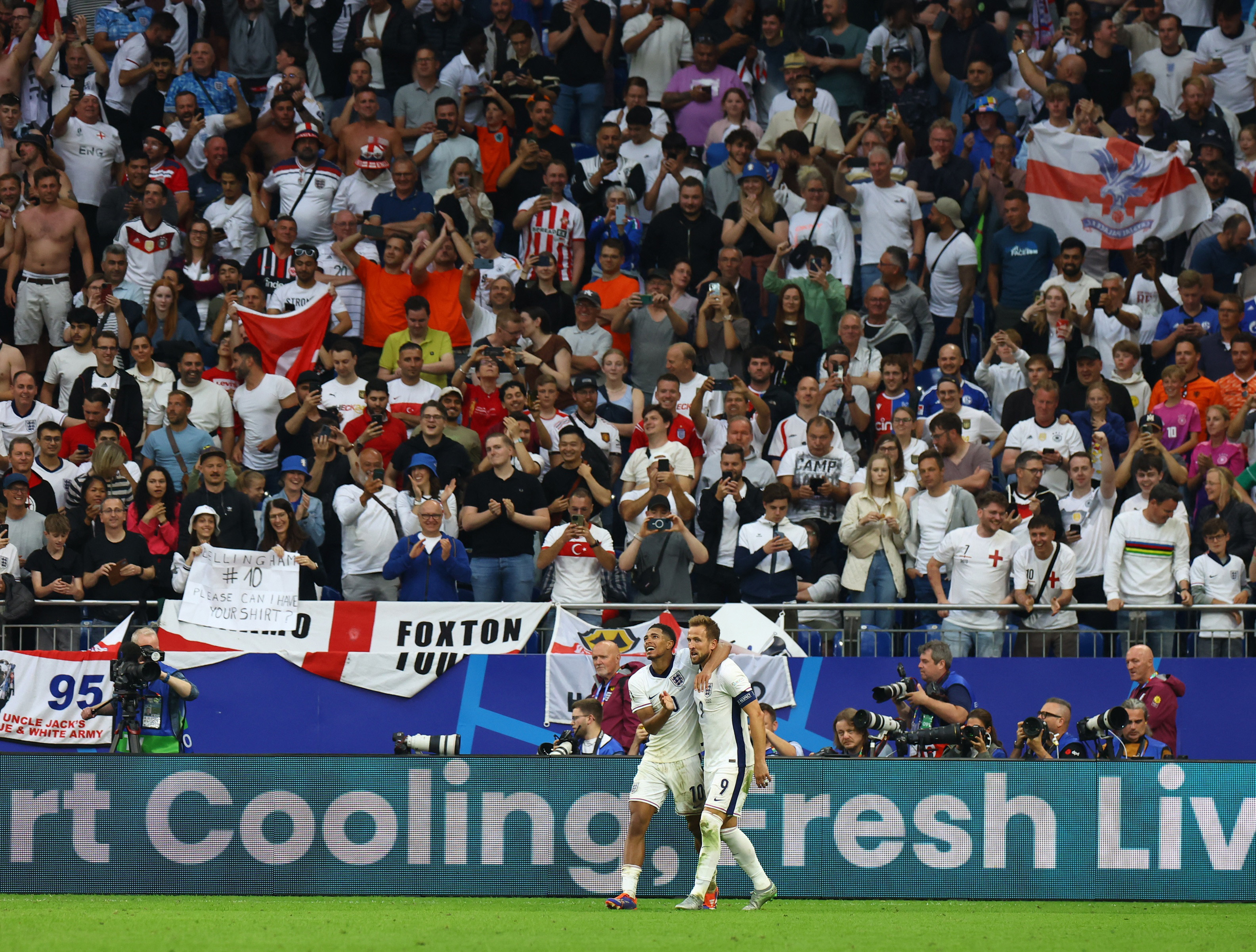
Grant is concerned that similar scenes will not be repeated at the 2026 World Cup if genuine supporters cannot afford or get their hands on match tickets. Soccer tourists, who do not support a particular nation but may pay an extortionate rate to experience going to a World Cup game, might wear the right colors and make noise at the games they attend, but the atmosphere could be inauthentic, Grant said.
“You will have a stadium that’s full, and people will make noise… but they don’t know the songs, and they don’t know the actions,” Grant said.
He also expressed concerns about fan congregations before and after games at the tournament, stating that supporters who picked up tickets to a game involving nations they are not affiliated with will not create the same kind of scenes that genuine Dutch and Scottish fans created in Germany.
“It’s about everything else around it (the World Cup). That’s the worry I have.”
It goes without saying that the Euros do not hold the same prestige as the World Cup, but it is the second-biggest international soccer event by almost every metric. The most recent iteration of the tournament saw 50 million applications for roughly 2.3 million tickets, a figure that would have also seen ticket prices spike enormously if UEFA had deployed dynamic pricing measures.
The World Cup will almost certainly dwarf that number of applicants, but the issue goes far beyond supply and demand. There appears to be some belief, among a cohort of American social media users at least, that World Cup tickets should go to the highest bidder and fans prepared to pay exorbitant sums of money.
But FIFA, as a self-described non-profit organization, should recognize that a much larger proportion of tickets should be distributed at an affordable rate on merit to fans who have followed their teams around the world, not based on how deep their pockets are.