


Some birthdays arrive quietly, asking for candlelight and restraint. Others arrive carrying the aftershocks of a difficult goodbye and demand velvet shadows, ice-cold martinis, and indulgence that feels less like excess and more like restoration.
On a night when the only reasonable response to heartbreak felt like unapologetic decadence, Chelsea Living Room revealed itself as the refuge required. The city receded. The lighting conspired in my favor. The evening unfolded with slow, intoxicating intention.
Tucked along West 14th Street, the space feels like a modern echo of Old New York. It suggests a private salon where time stretches and conversations linger past their expected conclusions. Antiqued mirrors catch reflections like whispered confidences. A fireplace casts a low amber glow across patterned carpets and warm wood moldings. Somewhere in the background, a piano hum softens the edges of the day and loosens one’s grip on urgency.
Chelsea Living Room was conceived by Dylan Grace — whose instincts helped shape Montauk’s nocturnal mythology at The Surf Lodge — alongside hospitality veteran Zachary Zimmerman. Their vision was not a destination to be checked off, but a room to settle into. It encourages lingering, another drink, and the quiet permission to let the night evolve rather than conclude.
The martinis arrived first: crystalline, bracing, and absolutely correct. One sip restored equilibrium.
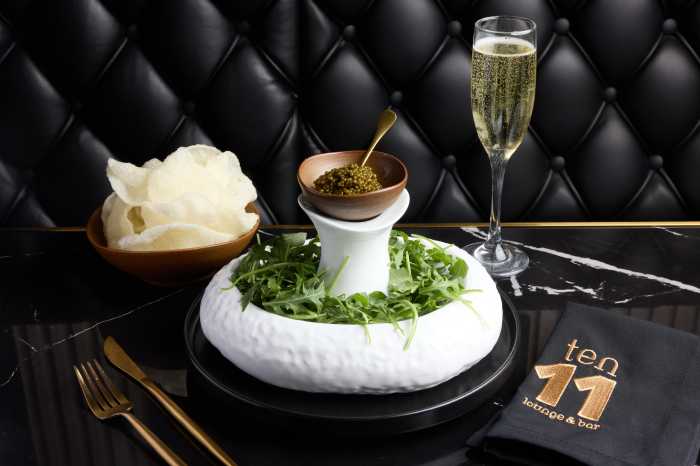
Then came the caviar.
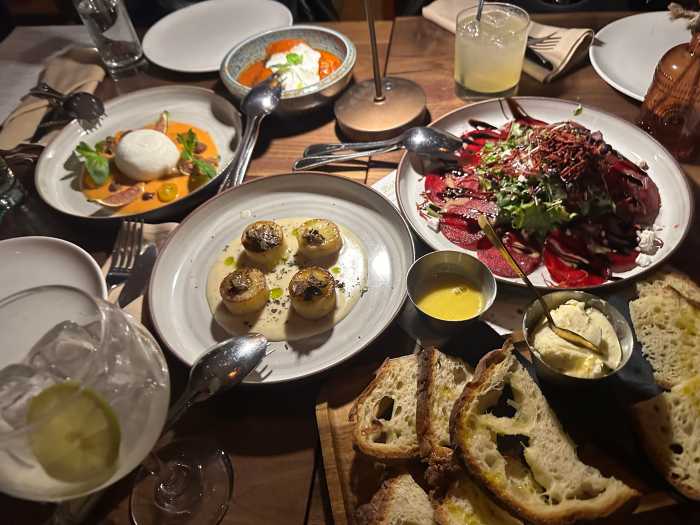
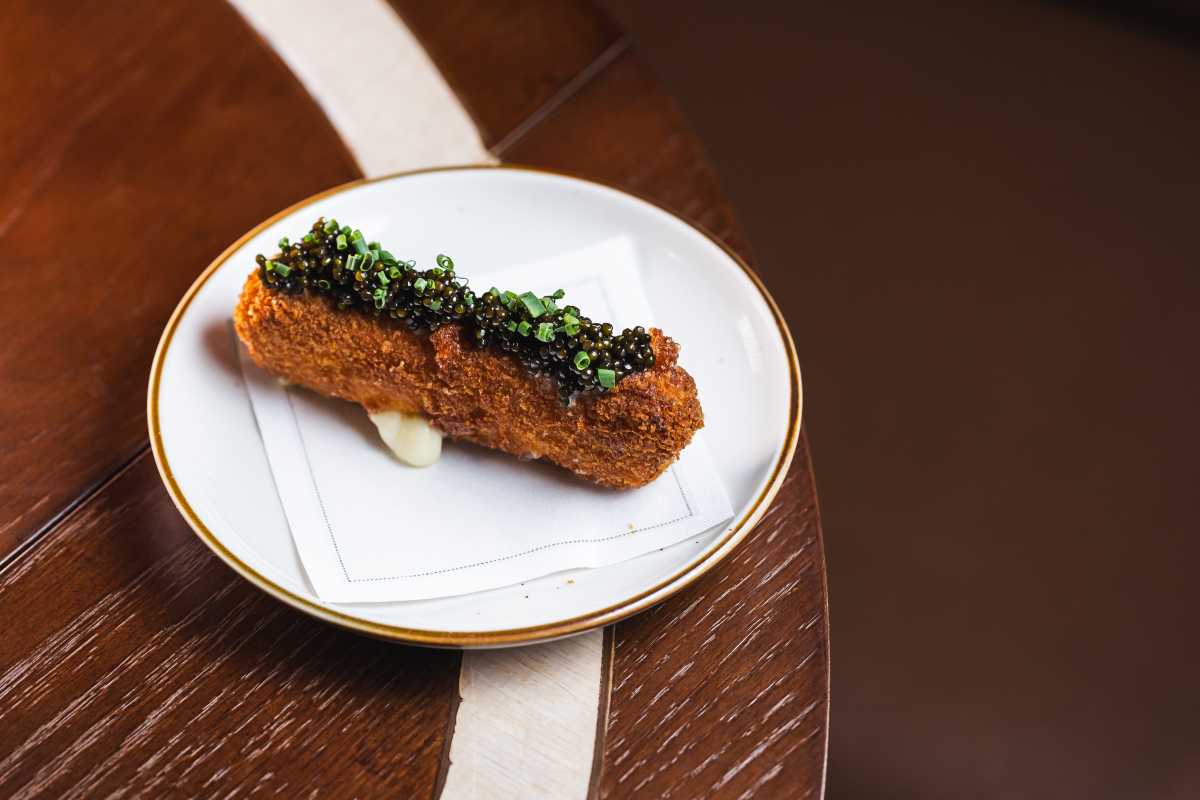
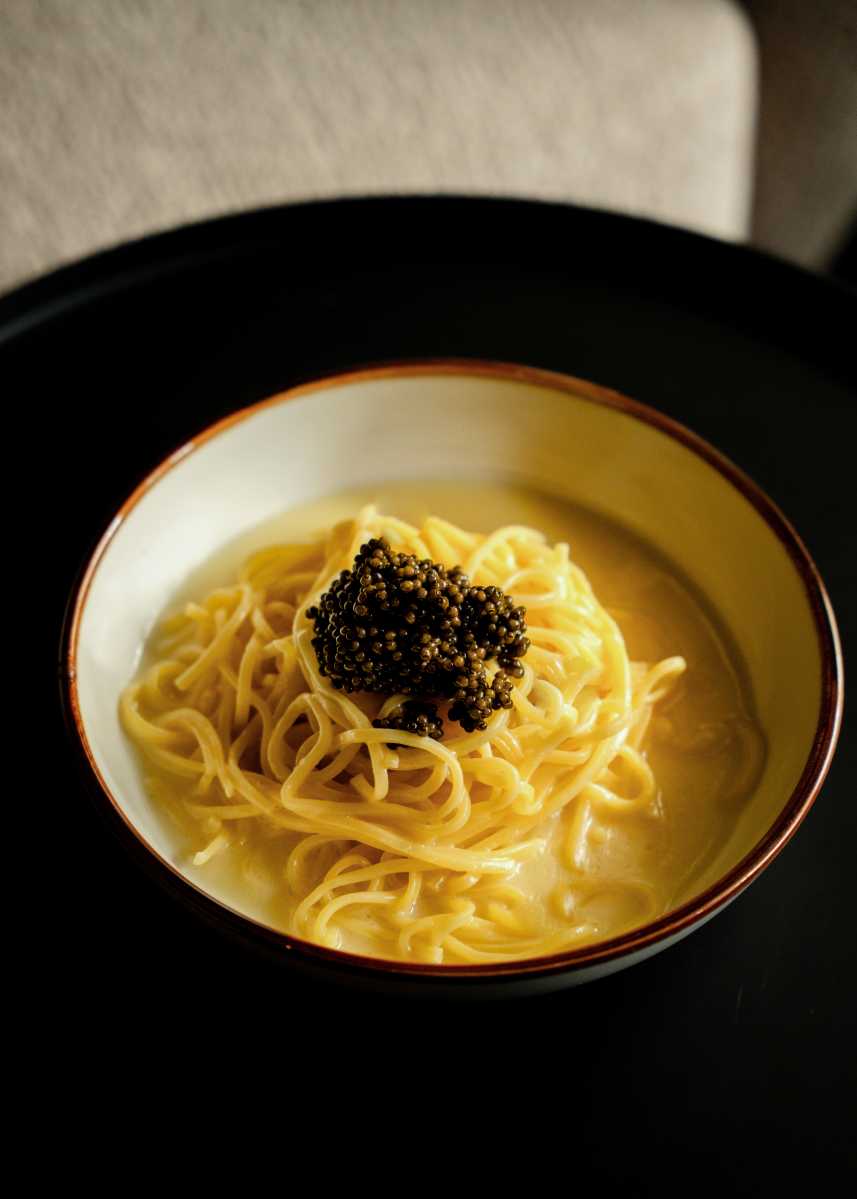
The now-famous fried mozzarella crowned with glistening pearls arrived molten and crisp, saline and indulgent — an irreverent collision of nostalgia and luxury. The caviar pasta followed, silk and brine entwined in a dish so lavish it bordered on the absurd. Its richness, however, felt entirely appropriate for the occasion. Ordering more seemed not only justified but necessary.
The menu moves through elevated comfort with quiet confidence. Pot pies, steaks, roast chicken, and bistro classics soothe while exceeding expectation. Familiarity comforts even as indulgence deepens.
As the evening progressed, the room shifted almost imperceptibly. The back lounge softened into late-night intimacy. Creatives, downtown fixtures, and neighborhood regulars settled into banquettes as though they had always belonged there. Dinner dissolved into conversation carrying a faint current of electricity. The lighting lowered further. The night prepared to reveal another layer.
Parlour Tricks began not with announcement but with atmosphere.
Tansy, often called the Elizabeth Taylor of burlesque, entered with languid magnetism, channeling Old Hollywood sensuality through a downtown lens. Her presence felt less like performance than invitation. Movement slowed. Attention sharpened. Seduction unfolded with deliberate grace.
At her side, her husband Mark Clearview — magician, mentalist, and a regular at the Bellagio in Las Vegas — altered the room’s temperature entirely. Cards appeared where they should not have been. Thoughts were revealed before they were spoken. Reality loosened its edges just enough to invite wonder.
Guests leaned closer. Laughter softened into astonishment. Champagne glasses hovered, momentarily forgotten, in midair.
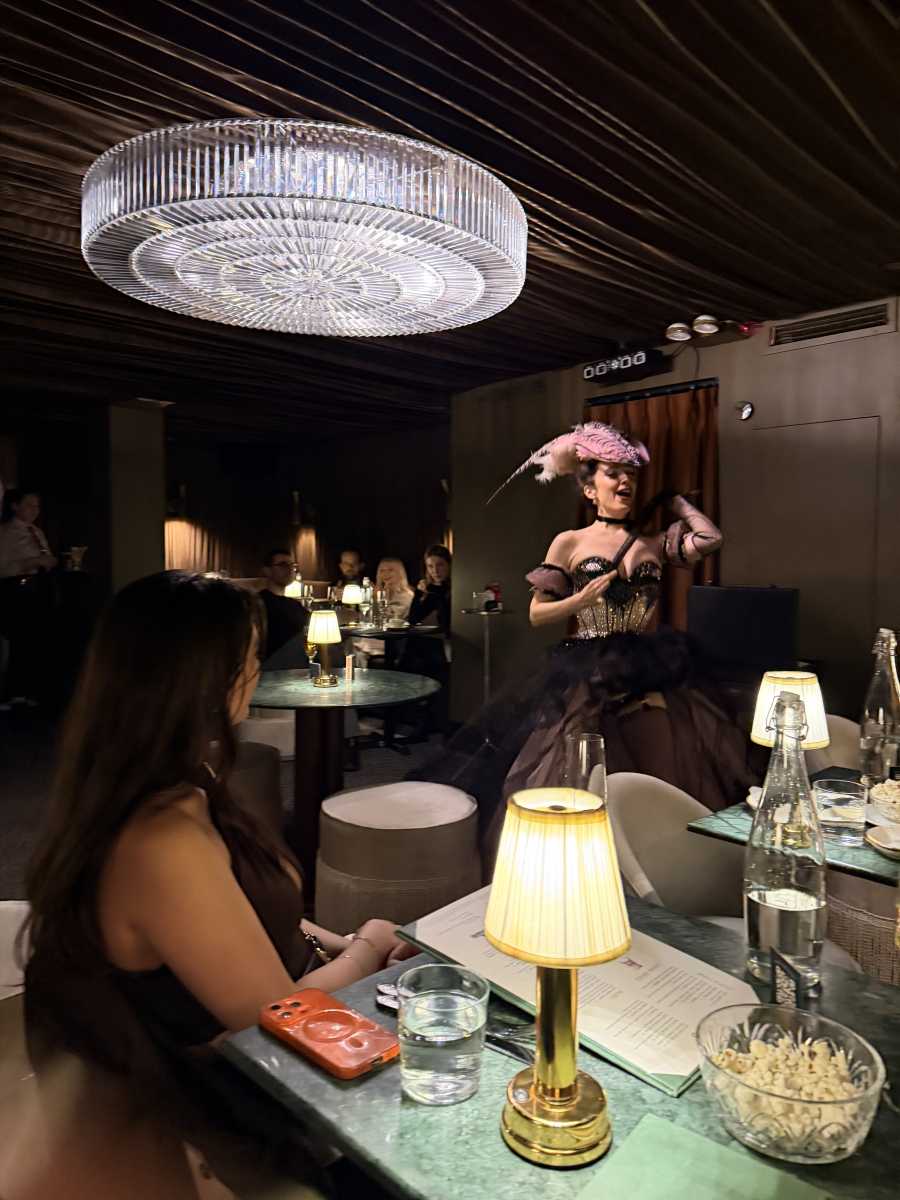
Seduction and psychological illusion intertwined, producing a mood that felt quietly intoxicating rather than theatrical.
By the time another martini appeared — equally flawless — the evening had settled into that rare rhythm where time feels suspended and departure seems almost unnecessary.
Chelsea Living Room understands that a night out should not peak but evolve. Music, performance, and conversation transform a meal into an experience and an experience into a memory. A hidden lounge tucked behind a bookcase suggests secrets are not only possible but inevitable. The room’s collected textures and warm glow create the sensation of having stumbled into a place that has always existed, waiting patiently to be discovered.
In a city saturated with venues competing to be seen, Chelsea Living Room offers something far rarer: a place to disappear into, to be restored by atmosphere and indulgence, to remember that decadence can be a form of self-repair.
I arrived seeking distraction.
I left restored, faintly dazzled, and still tasting caviar.