

Mayor Zohran Mamdani made creating a Department of Community Safety to respond to mental health crises a key promise in his successful campaign last year. Incidents such as last week’s police-involved shooting in Queens that left a 22-year-old man in a mental health crisis critically wounded demonstrate that Mamdani cannot afford to defer on the department’s creation.
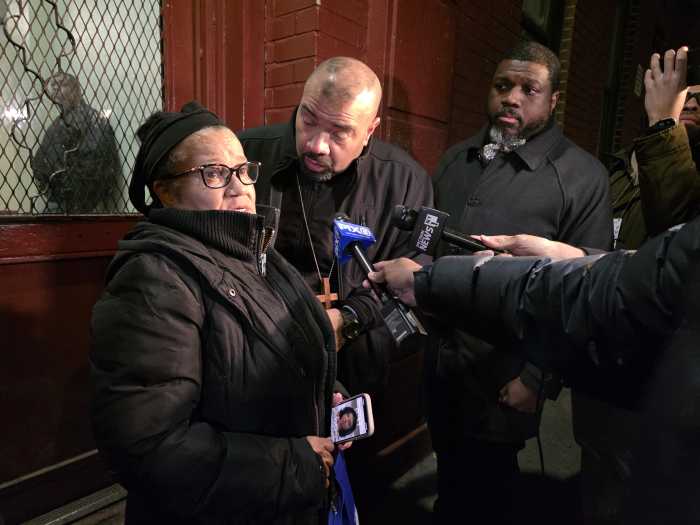
The family of Jabez Chakraborty, who remains hospitalized in critical condition after the Jan. 25 incident, is demanding to know how a simple request for assistance for the young man amid his crisis could have ended like this. Their plea for answers must not be ignored.
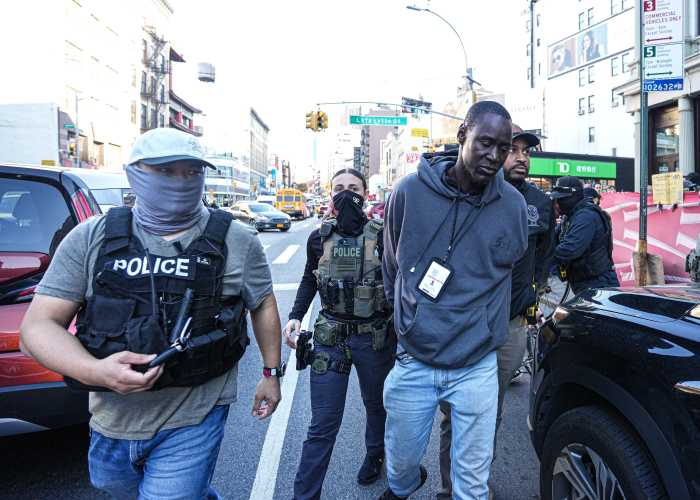
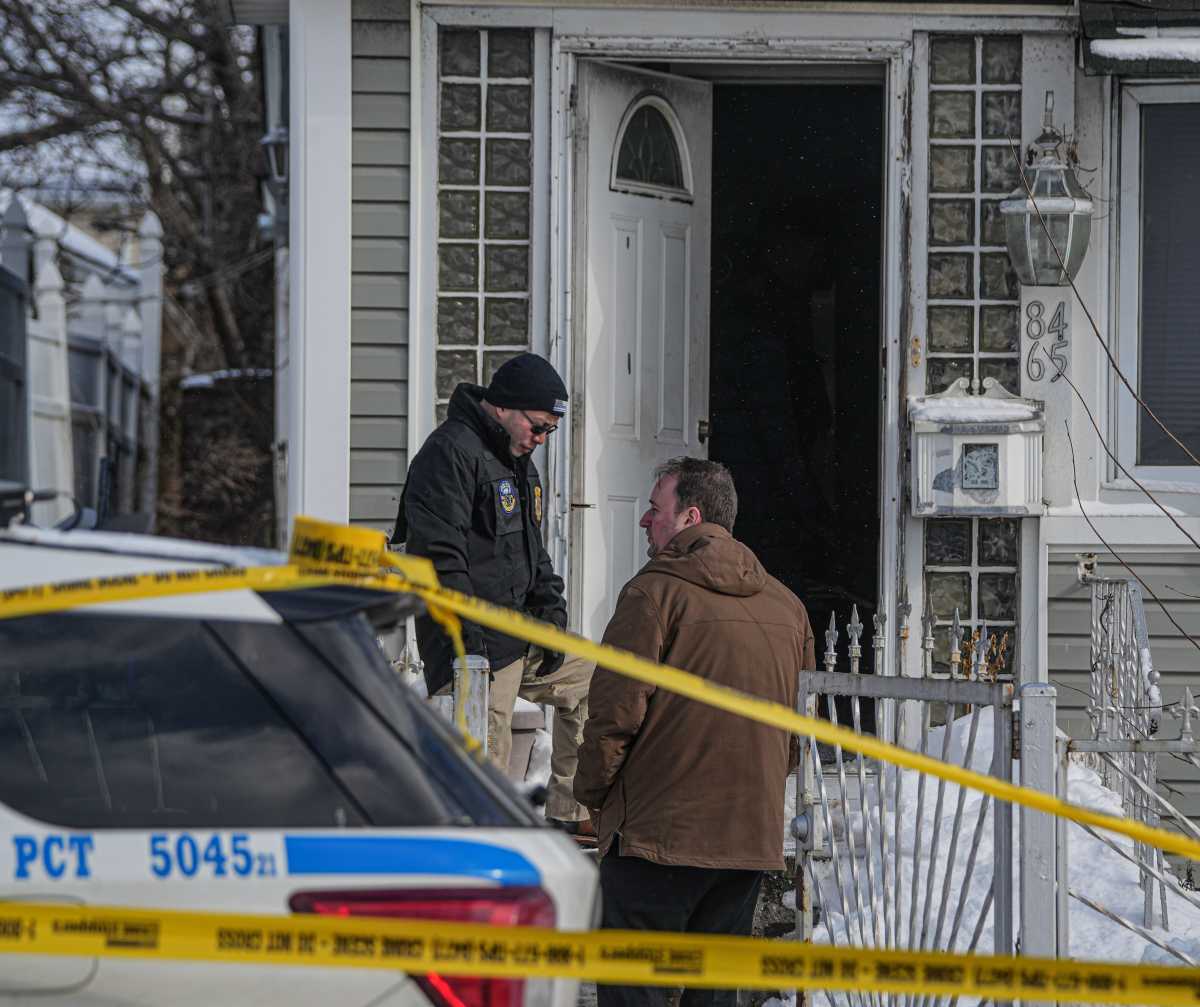
Chakraborty was shot when he allegedly charged at officers assigned to the 107th Precinct who came to their home. According to a preliminary NYPD investigation, the young man ran at the officers with a knife, and the cops opened fire.
Anyone in a similar situation to the officers would have felt the need to defend themselves. It’s easy to lose sight of the officers’ perspective when cases like this arise. The judgment of whether the officers acted appropriately in this case must be left to those handling the ongoing investigation.
But in a broader sense, the issue shows the need for the city to do something different. Police officers must not be the only ones to respond to a mental health crisis involving someone who poses an immediate, harmful threat to themselves and their loved ones.
Mayor Mamdani reiterated on Tuesday his call for a “Department of Community Safety” to address mental health issues in New York. The mayor, however, was quick to note that the proposed department — which still must be created through legislation still under review in the City Council — would not respond to violent situations alone.
Pressed by reporters at an unrelated press conference, Mamdani said his administration is considering adopting a “co-response model” that would involve the NYPD, mental health professionals and peer counselors responding to mental health crises if and when the Department of Community Safety becomes a reality.
It’s hard to see any other approach that would work other than a “co-response model.” The key is de-escalation — several people working to calm an individual down and convince them to accept help.
Police officers are trained to defend themselves on duty and protect those they serve with the best tools and tactics available to them. Through no fault of their own, these officers have not been trained enough in de-escalating crises involving people suffering from mental health disorders. As such, the responsibility of responding to severe mental health crises should not be left to the NYPD alone; they have more than enough to do.
The mayor must work with the Council to swiftly approve the department’s creation — then act to staff, finance, train, equip, and dispatch the agency as quickly as humanly possible.